
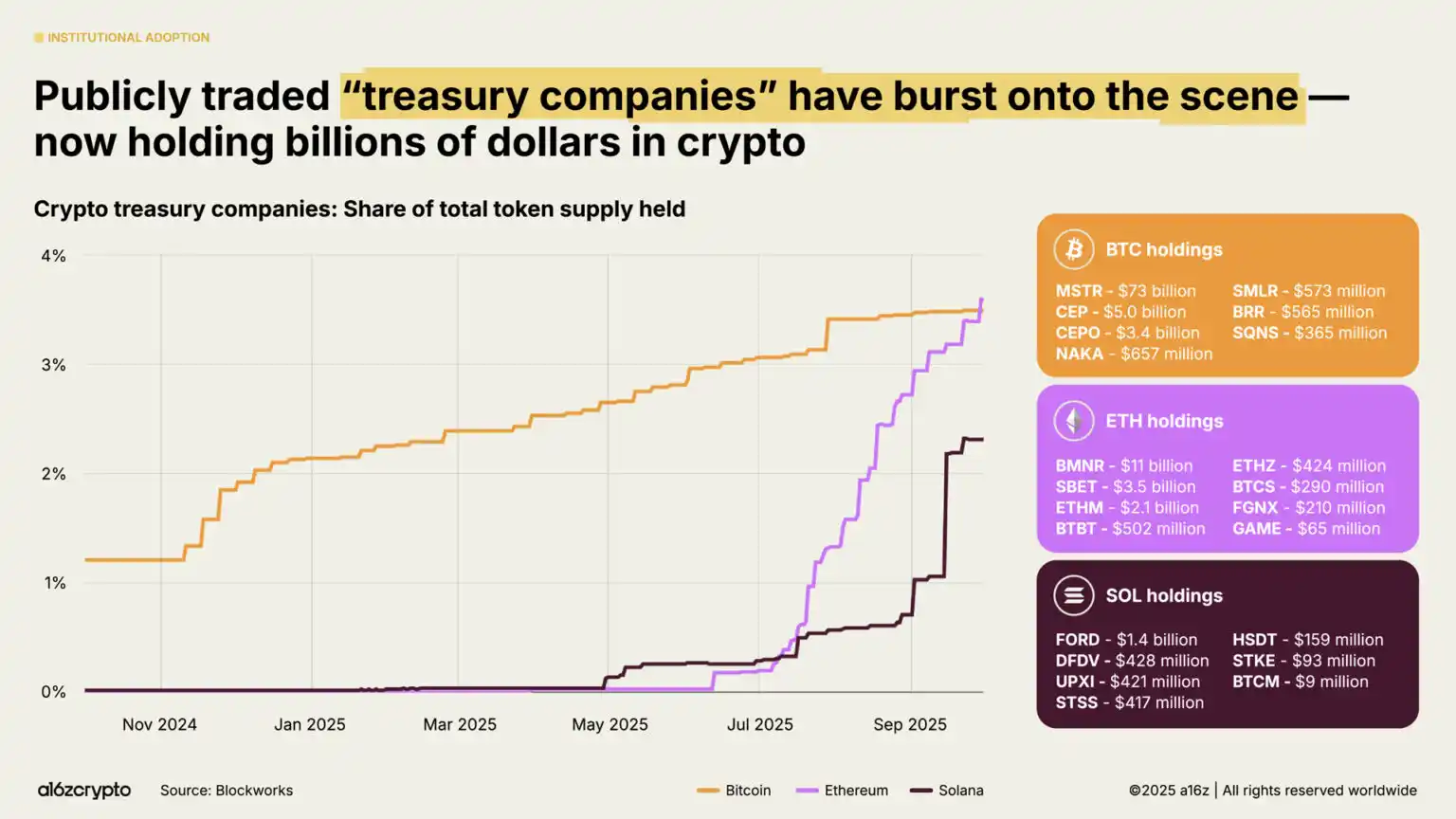
Defining the on-chain treasury model
An on-chain treasury represents a structural shift from traditional fiat management to a model built on distributed ledger technology (DLT). Unlike conventional systems that rely on custodial banks and opaque internal ledgers, an on-chain treasury manages digital assets—primarily stablecoins and tokenized real-world assets—directly on public blockchains. This architecture replaces third-party intermediaries with smart contracts, enabling programmable liquidity and real-time transparency.
The distinction between on-chain and off-chain activity is fundamental. On-chain transactions are confirmed and recorded directly on the blockchain, making them visible to the public and immutable once finalized. They are verified by a decentralized network of nodes, providing built-in auditability that traditional banking systems often lack. In contrast, off-chain transactions occur outside the main blockchain, typically within private channels or internal ledgers, relying on additional infrastructure and offering less immediate visibility.
This model connects enterprise treasury systems directly to blockchain networks, allowing for instant settlement and reduced counterparty risk. By leveraging cryptographic signatures rather than card network authorizations, organizations can execute agentic payments where autonomous programs manage liquidity without manual intervention. This shift not only modernizes balance sheet management but also establishes a new standard for financial accountability in the digital economy.
Stablecoin Yield Mechanics and Asset Classes
Stablecoin yield in 2026 stems from two distinct sources: decentralized finance (DeFi) liquidity provision and tokenized real-world assets (RWAs). Understanding the mechanical difference between these streams is essential for treasury management, as each carries a different risk profile and compliance burden.
DeFi yield typically originates from lending protocols or automated market makers. Treasuries deploy stablecoins into these protocols to earn interest from borrowers or trading fees. While this yield is permissionless and immediate, it exposes the treasury to smart contract risk and protocol-specific volatility. The yield is often variable, fluctuating with market demand for liquidity.
In contrast, tokenized RWAs represent on-chain claims to traditional financial instruments, such as U.S. government bonds or private credit. Platforms like Backed Finance issue ERC-20 tokens backed 1:1 by underlying assets, allowing treasuries to access "risk-free" rates directly on-chain [src-serp-7]. This approach bridges traditional finance with blockchain efficiency, offering more predictable returns but requiring reliance on the custodian and legal structure of the token issuer.
The following comparison clarifies the structural differences between these yield sources.
| Feature | DeFi Protocols | Tokenized RWAs |
|---|---|---|
| Yield Source | Lending fees and trading volume | Underlying asset interest (e.g., bonds) |
| Risk Profile | Smart contract and protocol risk | Custodial and issuer credit risk |
| Compliance | Often permissionless, less transparent | Requires KYC/AML and legal verification |
| Return Stability | Highly variable and market-driven | Generally fixed or predictable |
Treasury managers must weigh the higher potential returns of DeFi against the regulatory clarity and stability of tokenized assets. The choice often depends on the organization's risk tolerance and its ability to monitor on-chain activity for compliance purposes.
Navigating regulatory compliance for digital assets
The regulatory environment for on-chain treasuries has shifted from speculative ambiguity to a structured, high-stakes compliance framework. For treasury managers, the primary challenge is no longer technological feasibility but legal certainty regarding asset classification, cross-border reporting, and anti-money laundering (AML) obligations. In 2026, regulatory bodies in major jurisdictions have moved to clarify the legal status of stablecoins and tokenized securities, creating a more predictable but rigorous landscape for institutional capital.
Legal status of on-chain assets
The classification of digital assets remains the foundational question for compliance. Regulators increasingly distinguish between payment stablecoins, which are treated as currency equivalents, and tokenized securities, which trigger existing securities laws. The European Union’s Markets in Crypto-Assets (MiCA) regulation and the United States’ evolving guidance under the SEC and CFTC provide the primary frameworks. Treasury managers must ensure that the stablecoins held in on-chain vaults are issued by entities compliant with local licensing requirements, such as those under the EU’s E-Money Directive or US state money transmitter laws.
Asset classification also impacts tax treatment and accounting standards. Tokenized bonds or equity tokens may be subject to capital gains tax upon transfer, whereas stablecoin yields might be treated as interest income. Misclassification can lead to significant retroactive liabilities. Treasuries must maintain clear records linking on-chain transactions to their underlying legal instruments, ensuring that the cryptographic representation matches the legal ownership rights defined in the offering memorandum or smart contract terms.
AML and KYC requirements
Anti-Money Laundering (AML) and Know Your Customer (KYC) protocols are non-negotiable for on-chain treasury operations. While blockchain transactions are pseudonymous, regulatory frameworks require treasury managers to implement identity verification for any counterparty involved in significant transactions. This includes screening against sanctions lists (such as OFAC in the US) and monitoring for interactions with high-risk addresses associated with mixers or darknet markets.
Many institutions now use on-chain analytics tools to pre-screen wallet addresses before executing treasury transactions. These tools provide a risk score based on the transaction history of the destination address, helping treasury managers avoid inadvertently holding or transacting with illicit funds. Failure to conduct adequate due diligence can result in regulatory fines, frozen assets, or the loss of banking relationships. Compliance is not a one-time check but an ongoing monitoring process, requiring real-time alerts for suspicious activity.
Reporting standards and transparency
Transparency in on-chain treasury management extends beyond public blockchain ledgers to include regulatory reporting. Institutions must reconcile on-chain balances with off-chain accounting records, providing auditable trails for regulators. This involves mapping wallet addresses to legal entities and documenting the purpose of each transaction. The rise of standardized reporting formats, such as the XBRL (eXtensible Business Reporting Language) for digital assets, is facilitating easier compliance with financial reporting requirements.
The public nature of blockchain data presents both a compliance advantage and a risk. While auditors can verify holdings in real-time, treasury managers must ensure that sensitive strategic information is not inadvertently exposed. This often requires the use of privacy-preserving techniques or segmented treasury structures, where only the necessary transaction details are shared with regulators. The balance between transparency and operational security is a critical component of modern treasury compliance strategy.
Risk management and custody solutions
On-chain treasuries introduce operational risks that differ fundamentally from traditional finance. The primary vulnerability lies in smart contract risk, where code vulnerabilities or protocol failures can lead to irreversible loss of assets. Unlike bank accounts, on-chain transactions are immutable; there is no central authority to reverse fraudulent transfers or recover funds lost to exploits. This reality demands a shift from trust-based security models to cryptographic verification and rigorous technical due diligence.
Custody solutions form the backbone of institutional-grade security. Organizations must choose between self-custody, which places full control and responsibility on the treasury team, and third-party custodians, which offer insured, regulated storage at the cost of reduced autonomy. Institutional treasuries typically favor hybrid models that combine multi-signature wallets with hardware security modules (HSMs) to mitigate single points of failure.
Monitoring stablecoin value fluctuations is essential for risk assessment. The PriceWidget above provides a live feed for USDC, a primary reserve asset for many on-chain treasuries. Fluctuations in the peg or liquidity depth can impact treasury stability, making real-time visibility a critical component of daily risk management protocols.
Compliance extends beyond security to include transaction monitoring and audit trails. On-chain transparency allows for public verification of all movements, which can be leveraged for regulatory reporting but also exposes treasury strategies to front-running or targeted attacks. Implementing robust governance frameworks, such as time-locked multi-sig approvals, ensures that large disbursements undergo necessary compliance checks before execution.
On-Chain Versus Off-Chain Treasury Systems
Treasury teams must evaluate the structural differences between on-chain stablecoin infrastructure and traditional off-chain banking systems. The core distinction lies in settlement finality and data visibility. On-chain transactions are confirmed and recorded directly on the blockchain, meaning they are visible to the public and immutable once finalized [src-serp-4]. Off-chain transactions occur within private ledgers or internal banking networks, often requiring reconciliation layers to match internal records with external bank statements.
The following comparison outlines the operational disparities relevant to compliance and liquidity management.
| Feature | On-Chain Treasury | Off-Chain Treasury |
|---|---|---|
| Settlement Speed | Near-instant (minutes) | 1-3 business days (ACH/SEPA) |
| Data Transparency | Public, immutable ledger | Private, siloed bank statements |
| Compliance Overhead | Automated via smart contracts | Manual reconciliation and audits |
| Counterparty Risk | Reduced (decentralized nodes) | Elevated (bank solvency) |
While on-chain systems offer superior transparency and reduced counterparty risk, they require robust digital identity verification to meet anti-money laundering (AML) standards. Traditional off-chain systems provide established legal recourse and familiar reporting structures but suffer from latency and opaque settlement processes. Decision-makers should weigh the efficiency gains of on-chain automation against the regulatory familiarity of off-chain banking.
Key questions on on-chain payments and activity
Understanding the mechanics of on-chain payments is essential for treasury management. An on-chain payment occurs when settlement happens directly on a public blockchain using stablecoins like USDC or USDT, relying on cryptographic wallet signatures rather than traditional card networks. This distinction is critical for compliance teams monitoring transaction origins.
On-chain activity refers to transactions confirmed and recorded immutably on the blockchain. Because these records are verified by a decentralized network of nodes, they offer built-in transparency and auditability. This visibility allows organizations to track liquidity movements in real time, a capability not always present in traditional banking ledgers.
The primary difference between on-chain and off-chain transactions lies in where the settlement occurs. Off-chain transactions happen on private ledgers or side networks, often offering faster speeds and lower costs. In contrast, on-chain transactions are slower and can be more expensive during network congestion, but they provide the finality and public verifiability required for institutional treasuries.
No comments yet. Be the first to share your thoughts!