
Why treasurers are moving on-chain
The corporate treasury function is undergoing a structural shift as organizations integrate digital assets into traditional fiat-only balance sheets. By 2026, this transition is no longer speculative; it is a strategic response to the need for greater liquidity and faster settlement speeds. Treasurers are moving on-chain not to chase abstract yield, but to modernize the core mechanics of how capital moves and is held.
Traditional banking rails often introduce latency and opacity into cross-border settlements. On-chain rails offer programmable settlement rules and automated reconciliation, providing a level of audit granularity that legacy systems struggle to match. This transparency allows treasury teams to verify asset movements in real time, reducing the risk of reconciliation errors and improving overall compliance posture.
The focus remains firmly on risk mitigation and institutional-grade infrastructure. Rather than engaging with high-risk decentralized finance protocols, corporate treasurers are prioritizing tokenized assets like bTokens. These instruments offer the efficiency of blockchain settlement while maintaining the regulatory compliance and stability required for corporate balance sheets.
Setting up secure wallet infrastructure
On-chain treasury management begins with the technical foundation of how assets are held and accessed. For corporate treasurers, the traditional model of storing private keys on a single device or local server is no longer viable. The risk of key compromise, loss, or unauthorized access is too high for public companies managing significant balance sheet assets. Instead, the industry has shifted toward Multi-Party Computation (MPC) wallets and institutional-grade custody solutions that replace single-point-of-failure risks with distributed, auditable security protocols.
MPC technology splits a private key into multiple shards, distributed across different parties or devices. No single entity ever holds the complete key, and transactions require a consensus of these shards to sign. This architecture allows for robust access controls, such as requiring approval from multiple corporate officers for large transfers, while maintaining the speed and transparency of blockchain settlements. It effectively bridges the gap between the security expectations of traditional banking and the operational reality of digital assets.
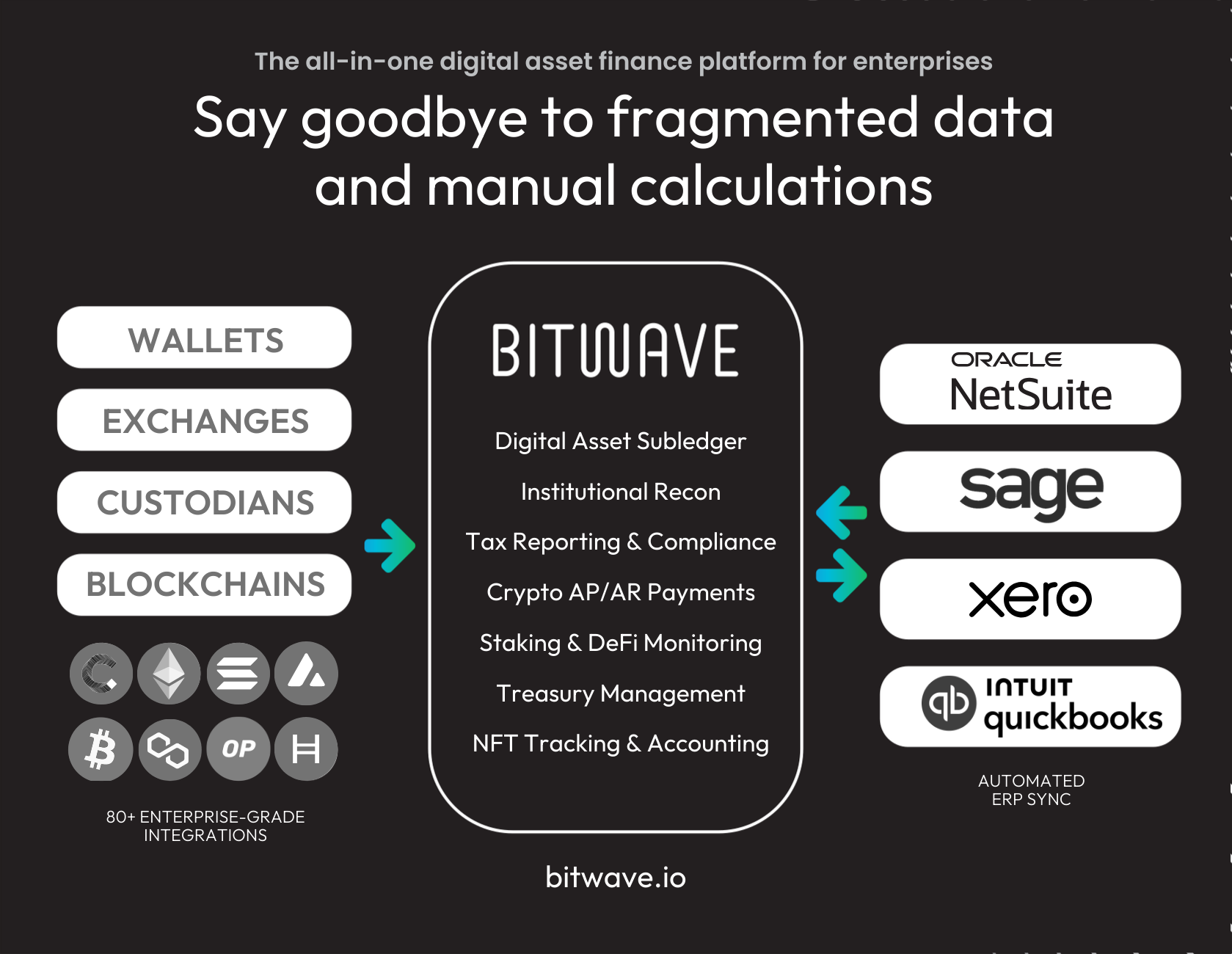
Institutional custody providers further mitigate risk by offering regulated storage environments that comply with standards like SOC 2 Type II and ISO 27001. These providers often integrate directly with Enterprise Resource Planning (ERP) systems, enabling real-time reconciliation of on-chain activity with traditional accounting records. This integration is critical for treasurers who must maintain accurate financial reporting while navigating the volatility and complexity of tokenized assets.
The choice of infrastructure also impacts yield opportunities. Secure MPC wallets often integrate with compliant yield-generating protocols, allowing treasurers to earn returns on idle cash reserves without exposing the principal to unregulated DeFi smart contract risks. By prioritizing security and compliance in the wallet setup phase, corporations can participate in the digital asset economy with the same rigor applied to traditional fiat treasury operations.
Integrating stablecoin yield strategies
Treasuries are moving beyond holding stablecoins for simple settlement. The current institutional approach treats stablecoin balances as active capital, deployed into yield-generating instruments that mirror traditional money market funds but settle on-chain. This shift allows treasury teams to capture yield on idle cash while maintaining the liquidity required for daily operations.
The primary vehicle for this strategy is tokenized short-term government debt. Platforms like Backed Finance issue ERC-20 tokens (such as bUSD or bTokens) that track US Treasury bills. These tokens are backed 1:1 by the underlying sovereign debt, audited regularly, and issued by regulated entities. This structure provides treasurers with the yield profile of a T-bill, but with the programmability and settlement speed of a stablecoin.
Comparison: Tokenized Treasuries vs. Traditional Money Markets
The decision to move yield strategies on-chain often hinges on operational efficiency and transparency. The table below contrasts the mechanics of traditional institutional money market funds (MMFs) with their tokenized on-chain equivalents.
| Feature | Traditional MMF | Tokenized T-Bill (e.g., bTokens) |
|---|---|---|
| Settlement Time | T+1 or T+2 | Near-instant (on-chain) |
| Yield Distribution | Monthly or quarterly dividends | Daily (automated via smart contract) |
| Transparency | Quarterly NAV reports | Real-time on-chain reserve proof |
| Minimum Investment | $1M - $5M (institutional) | $100 - $1,000 (fractionalized) |
| Custody | Third-party custodian (e.g., BNY Mellon) | Regulated issuer + blockchain oracle |
Risk Mitigation and Compliance
While the yield potential is attractive, treasurers must prioritize risk mitigation. Unlike decentralized finance (DeFi) protocols that rely on uncollateralized lending, tokenized treasury products are fully collateralized by actual government securities. This eliminates smart contract counterparty risk associated with unbacked stablecoins.\n Compliance remains the primary hurdle. Treasurers must ensure that the tokenized assets they hold comply with internal investment policies and external regulations like MiCA in Europe or SEC guidelines in the US. Using regulated issuers who provide audit trails and KYC/AML infrastructure is essential for maintaining corporate governance standards.
Blockchain accounting standards
Treasury teams must align digital asset holdings with evolving reporting frameworks. The Financial Accounting Standards Board (FASB) and International Financial Reporting Standards (IFRS) have updated their guidance to address the unique volatility and liquidity of blockchain-based assets. These standards dictate how companies value, classify, and disclose tokenized assets on their balance sheets, moving away from historical cost models toward fair value accounting for most digital assets.
Under current FASB rules, most cryptocurrencies are measured at fair value, with changes recognized in net income each reporting period. This creates significant earnings volatility, especially for treasuries holding assets like Bitcoin or Ethereum. For stablecoins or tokenized bonds, such as bTokens, the accounting treatment may differ if they meet specific criteria for cash equivalents or held-to-maturity debt securities. Treasurers must carefully document the intent and ability to hold these assets to determine the appropriate classification.
IFRS standards, particularly IFRS 9 and IAS 38, offer similar but distinct pathways. IFRS 9 allows for fair value through other comprehensive income (FVOCI) in certain cases, which can help smooth earnings impact. However, this requires rigorous documentation of the asset's contractual cash flow characteristics. For corporate treasurers, this means implementing robust tracking systems that can capture real-time price data and transaction metadata to support audit trails.
Compliance requires more than just accurate valuation; it demands transparent disclosure of risks. Companies must disclose the nature of their digital asset holdings, the methods used to determine fair value, and the associated liquidity and custody risks. Failure to adhere to these standards can result in restatements or regulatory scrutiny. Treasurers should work closely with auditors to ensure that their on-chain data reconciliation processes meet the granularity required by modern accounting standards.
Common pitfalls in digital asset treasuries
Adopting an on-chain treasury strategy introduces distinct operational risks that differ significantly from traditional fiat management. Corporate treasurers must navigate technical vulnerabilities, liquidity constraints, and evolving regulatory frameworks to protect corporate capital.
Stablecoin and liquidity risks
Stablecoins are often viewed as safe havens, but they carry inherent de-pegging and liquidity risks. Early adopters have faced losses when stablecoins lost their dollar parity or when liquidity dried up during market stress. Treasurers must diversify across multiple issuers and understand the underlying reserve composition. Avoiding "stablecoin sandwiches"—where slippage erodes value during execution—requires careful routing and understanding of exchange liquidity.
Smart contract vulnerabilities
Automating treasury management via smart contracts introduces code risk. While contracts can enforce spending rules and automate the issuance of tokenized assets like bTokens, they are also susceptible to exploits if not rigorously audited. A single vulnerability can lead to total loss of funds. Institutional treasuries should prioritize contracts with extensive public audit histories and time-locked governance mechanisms to mitigate sudden, unauthorized changes.
Regulatory missteps
Regulatory uncertainty remains a primary concern. Treasurers must ensure that on-chain activities comply with local anti-money laundering (AML) and know-your-customer (KYC) regulations. Missteps in reporting or holding non-compliant assets can lead to severe legal and financial penalties. Staying informed on official guidance from financial regulators is essential for maintaining a compliant treasury posture.

No comments yet. Be the first to share your thoughts!