

As DAOs continue to mature, stablecoin vaults have become the backbone of on-chain treasury management. These vaults act as programmable digital safes, enabling decentralized organizations to store, manage, and deploy capital with a focus on both security and operational efficiency. In 2025, the sophistication of attack vectors and the scale of DAO treasuries demand a robust approach to vault design - one that combines cryptographic best practices with automated governance.
What is a Stablecoin Vault? Core Principles for DAO Treasuries
A stablecoin vault is a purpose-built smart contract system designed to hold stablecoins (such as USDC, DAI, or USDT) on behalf of a DAO. Unlike generic wallets, these vaults offer advanced features: programmable access policies, automated yield strategies, real-time auditing, and native integration with DAO governance modules.
The primary objectives are clear:
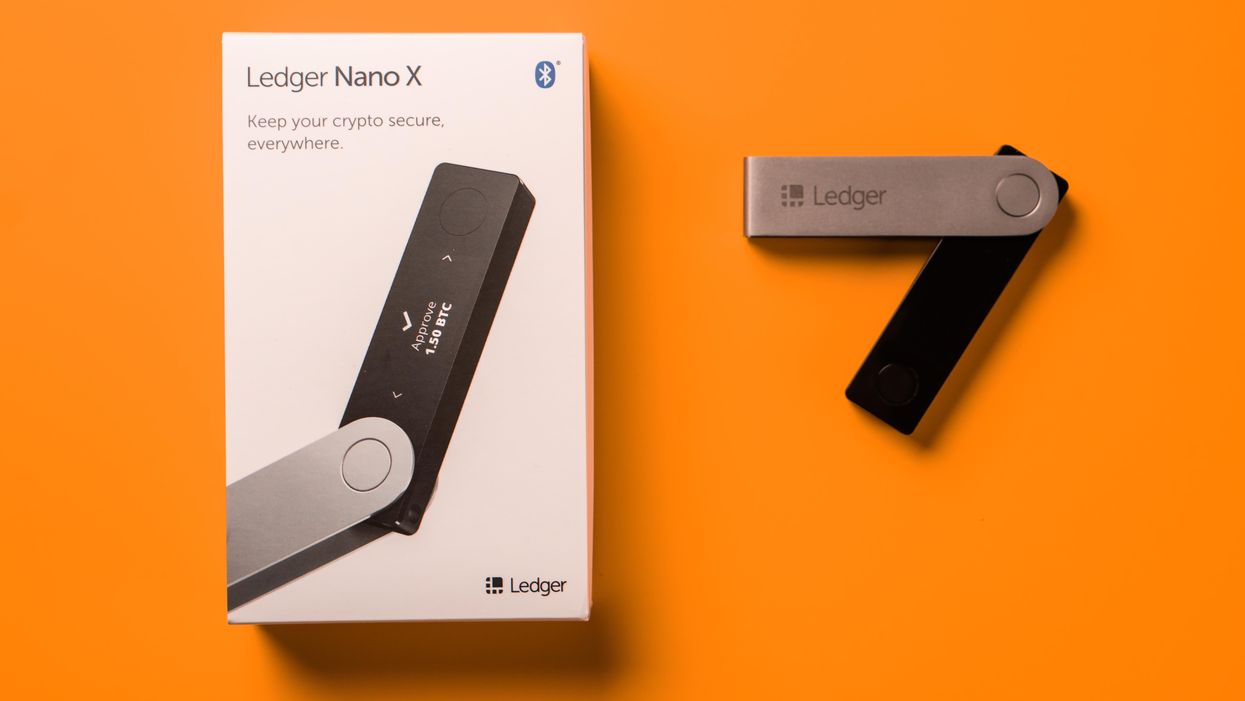
- Security: Prevent unauthorized access or malicious withdrawals through multi-signature (multisig) authorization or MPC (multi-party computation) wallets.
- Transparency: Ensure all transactions are visible on-chain and auditable by the community in real time.
- Capital Efficiency: Enable idle assets to earn yield safely via vetted DeFi protocols without exposing the treasury to undue risk.
This approach is now standard among leading DAOs. Platforms like Utila have rolled out MPC wallets with flexible policy engines for granular permissioning and real-time audit trails. Meanwhile, non-custodial solutions such as Aera offer autonomous optimization of treasury funds directly on-chain.
Key Security Mechanisms: Multisig and MPC Wallets
The foundation of any secure DAO stablecoin vault is its access control system. The overwhelming majority of DAOs now rely on either multisig wallets (e. g. , Safe{Wallet}) or modern MPC-based custody solutions. Multisig requires a predefined subset of signers (for example, 4-of-7 core contributors) to approve any transaction before it executes. This mitigates both internal collusion risk and single-point-of-failure scenarios.
MPC wallets take this further by distributing key shares among multiple parties - no single entity ever holds the full private key. These systems can enforce dynamic policies: daily spend limits, time locks for large transfers, or even automatic pausing in response to suspicious activity. This flexibility is critical as DAOs scale their treasury operations beyond seven-figure sums.
Smart Contract Audits and Automated Risk Controls
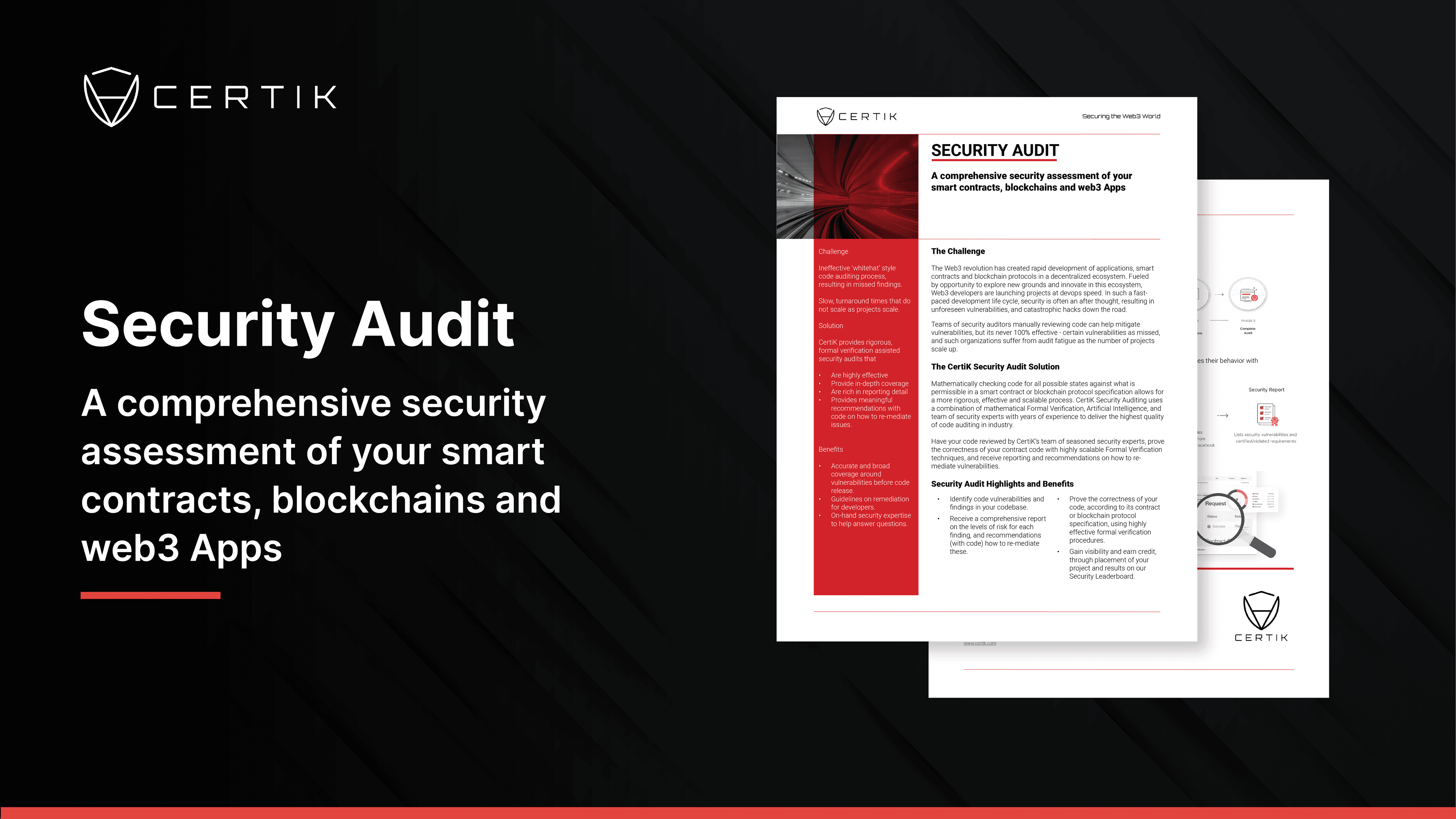
No matter how robust your wallet setup is, smart contract vulnerabilities remain an existential threat. A single exploit can mint infinite stablecoins or drain funds instantly - breaking your peg and reputation in one stroke. As such, regular third-party audits are non-negotiable for any production-grade vault contract.
Beyond audits, leading DAOs now implement automated risk management tools within their vault architecture:
- Circuit breakers: Instantly pause withdrawals if abnormal activity is detected (e. g. , sudden spike in transfer volume).
- Real-time monitoring: Integration with analytics dashboards that alert operators to anomalous behavior or protocol risks across integrated DeFi platforms.
- Diversification logic: Automated rebalancing between multiple stablecoins (to hedge against depegs) or across different lending protocols based on real-time risk scores.
This layered approach ensures that even if one line of defense fails - such as an undetected bug in a lending protocol - your treasury remains protected by other safeguards. To dive deeper into best practices for securing DAO stablecoin vaults with multisig and on-chain governance, see our guide at this link.
Automated governance is emerging as the linchpin for scalable DAO treasury management. By integrating smart contracts with on-chain voting and policy engines, DAOs can define granular rules for asset flows, spending caps, and emergency interventions. This reduces operational overhead while ensuring that all treasury actions remain accountable to the community.
- Policy Automation: Platforms like Utila and Aera allow DAOs to codify treasury policies directly into vault logic, ranging from whitelisted recipient lists to dynamic allocation limits based on real-time metrics.
- Real-Time Audit Trails: Every action taken within the vault is logged immutably on-chain, enabling transparent review by token holders or external auditors.
- Emergency Governance: Time-locked transactions and circuit breakers can be triggered by governance proposals or automated triggers in response to detected threats.
This programmable approach not only hardens security but also creates a clear separation of duties, critical for mitigating both technical and social engineering risks. For more on how stablecoin vaults enhance DAO treasury security and efficiency, check out our detailed analysis here.
Stablecoin Risk Management: Depeg Protection and Diversification
No stablecoin is immune to risk. Even established assets like USDC or DAI have faced depeg events due to smart contract exploits, regulatory shocks, or liquidity crises. Modern DAO vaults must build defense-in-depth strategies that go beyond simple storage:
- Diversify Stablecoins: Hold a basket of reputable stablecoins rather than relying on a single issuer. Automated rebalancing tools can help maintain target allocations as market conditions shift.
- Protocol Risk Scoring: Integrate real-time risk analytics to monitor the health of underlying DeFi platforms where funds are deployed for yield generation.
- Automated Hedging: Some vaults now support algorithmic hedging against depegs, e. g. , using options or insurance protocols, to minimize losses during black swan events.
Top Features of Secure DAO Stablecoin Vaults
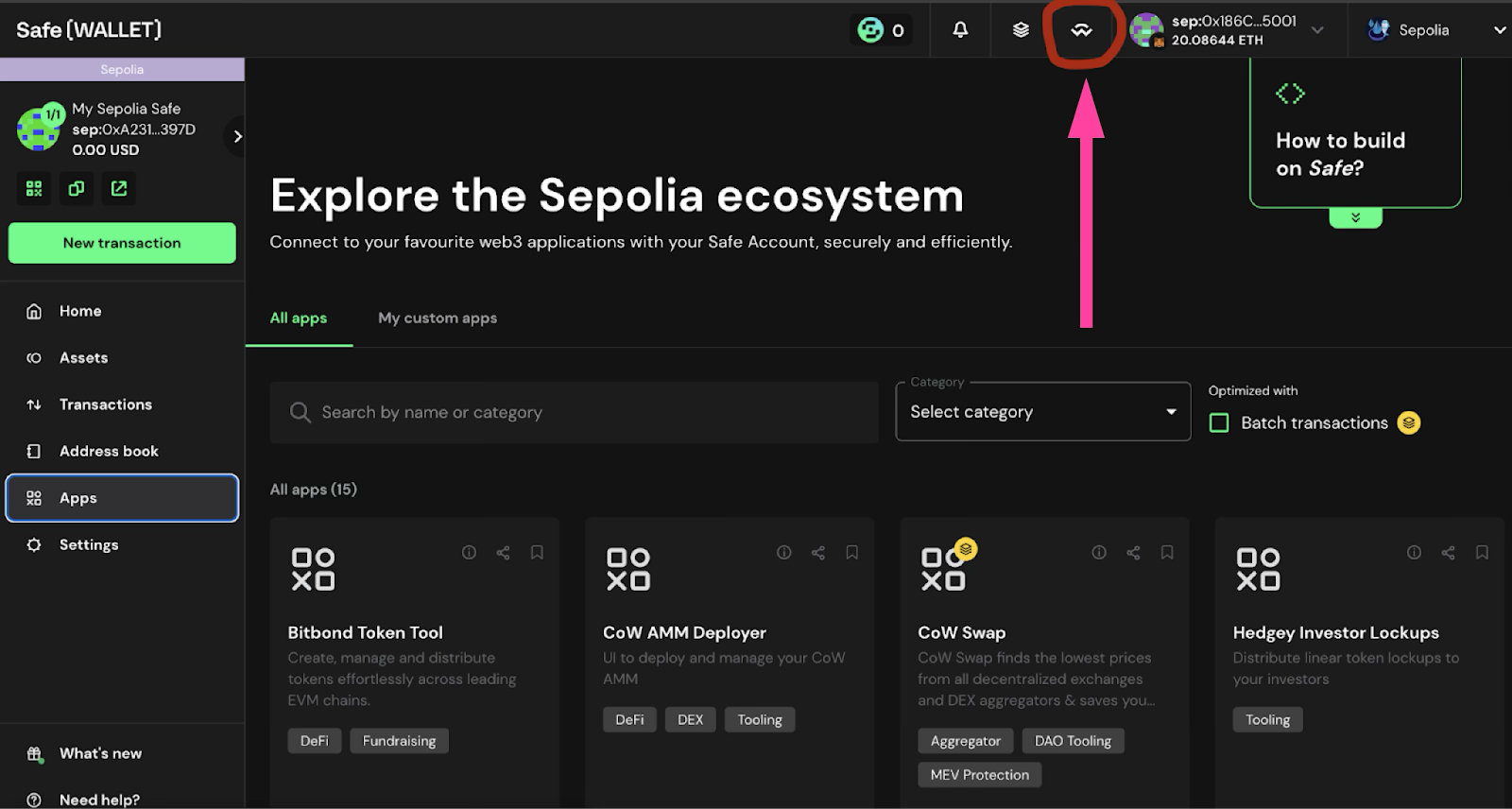
- Multi-Signature Wallets — Require multiple DAO members to approve transactions, reducing single-point-of-failure risk. Platforms like Safe (formerly Gnosis Safe) are industry standards.
- MPC (Multi-Party Computation) Wallets — Enhance key management security by distributing signing authority. Utila offers MPC wallets with flexible policy controls for DAOs.

- Automated Risk Management Tools — Monitor, rebalance, and optimize treasury assets autonomously. Aera offers on-chain, non-custodial risk management for DAO treasuries.
- Granular Policy Engines — Define custom transaction rules and permissions in real time. Utila’s policy engine allows DAOs to set spending limits and approval workflows.

- Transparent On-Chain Reporting — Provide real-time, immutable records of all vault activities for community oversight. Dune Analytics enables customizable on-chain dashboards.
The evolution of stablecoin vaults has made capital deployment safer and more capital efficient than ever before, but only if DAOs remain vigilant about evolving risks. For an in-depth look at how hedge vaults can protect treasuries from depegs and volatility, see our comprehensive resource here.
Operational Best Practices for DAO Treasury Managers
The human element remains crucial even in highly automated systems. Treasury managers should implement robust internal processes alongside technical controls:
- Regular Reviews: Schedule periodic audits of all access permissions, policy settings, and transaction histories.
- Incident Response Playbooks: Prepare predefined action plans for common threat scenarios, such as key compromise or protocol exploit, to minimize downtime and losses.
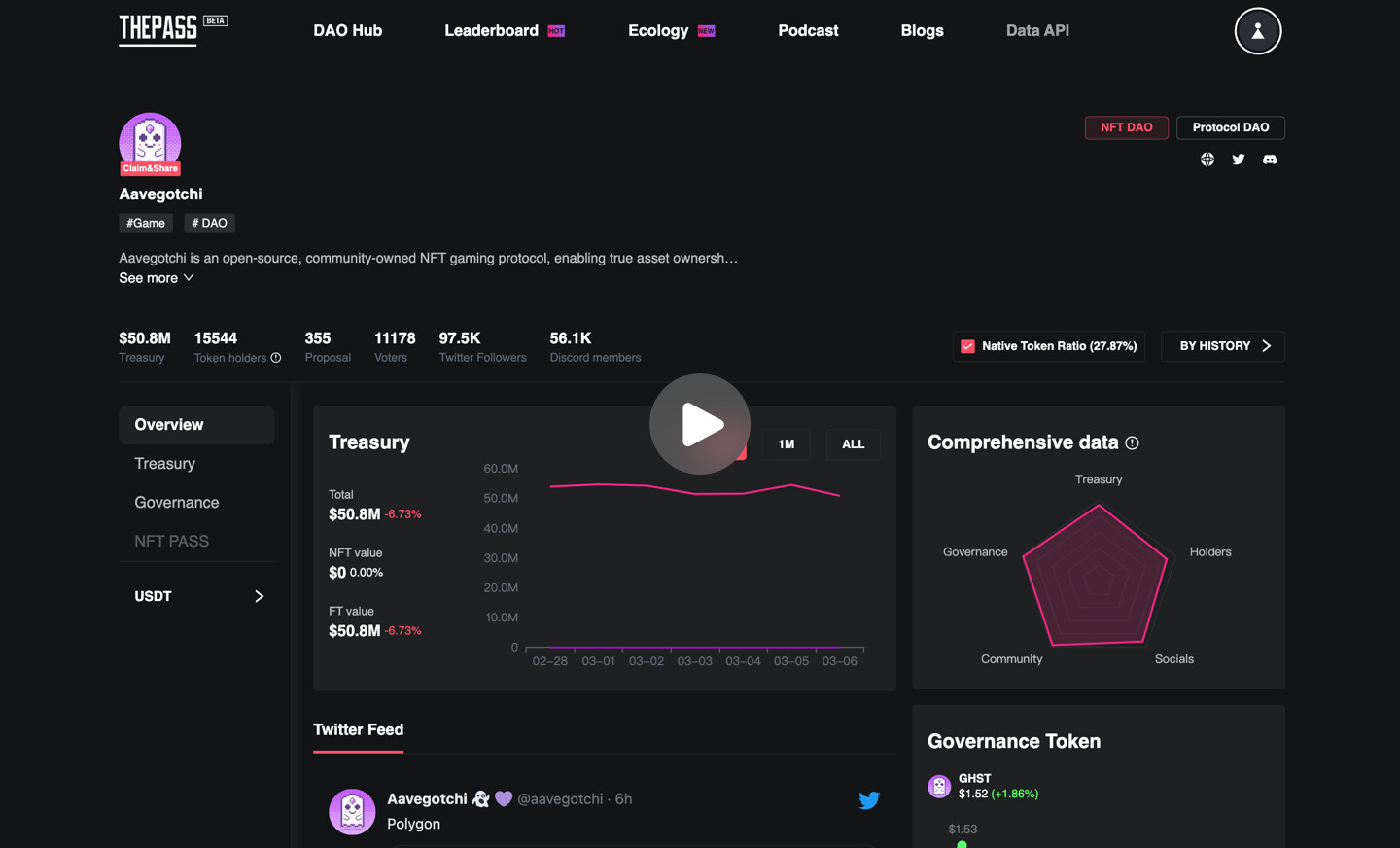
- Community Transparency: Publish regular treasury reports with real-time data visualizations so token holders stay informed about asset allocations and performance.
The landscape of on-chain treasury management is evolving rapidly. By combining advanced wallet architectures, rigorous smart contract audits, automated risk controls, and transparent governance frameworks, DAOs can future-proof their treasuries against both technical exploits and market shocks. The result: secure capital reserves that empower decentralized organizations to thrive in any market cycle.




No comments yet. Be the first to share your thoughts!