
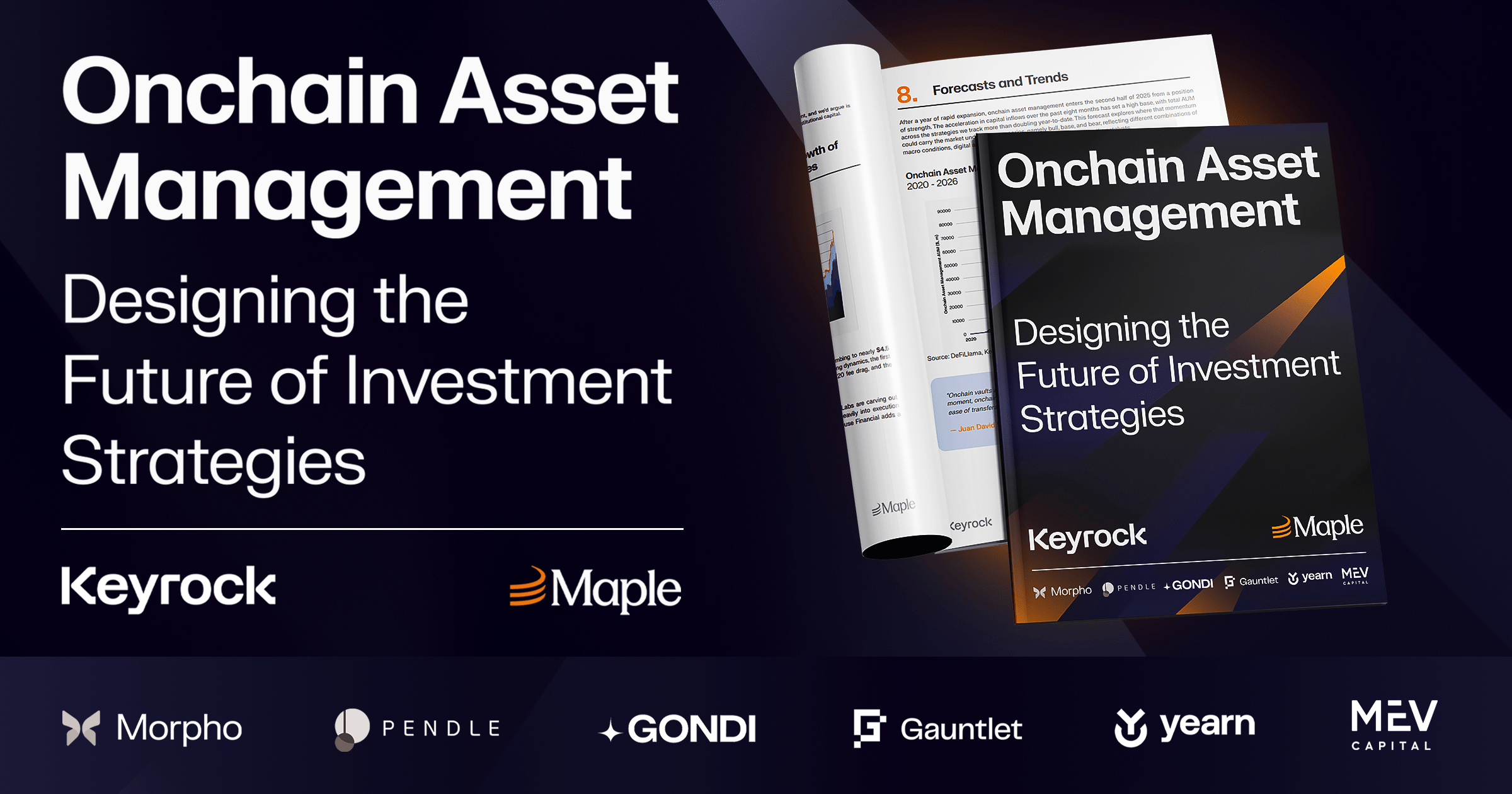
What onchain treasury management means now
Onchain treasury management is the operational discipline of holding, securing, and deploying an organization’s liquidity using digital assets and blockchain infrastructure. It moves beyond simple Bitcoin or Ethereum holdings to include structured yield strategies and tokenized real-world assets (RWAs). For treasury managers, this shift transforms static cash reserves into productive capital that generates yield while maintaining institutional-grade security.
The core of this approach lies in the intersection of digital asset custody and real-world yield. Traditional treasuries rely on bank deposits or short-term government bills, which often struggle to keep pace with inflation or offer limited accessibility. Onchain treasuries replicate these functions through tokenized RWAs, such as tokenized treasury bills or corporate bonds, but with the added benefits of 24/7 settlement, fractional ownership, and programmable compliance.
Key infrastructure providers like Fireblocks and Backed enable this transition by offering multi-party computation (MPC) custody solutions and tokenized asset issuance platforms. Fireblocks provides the secure vault infrastructure necessary to manage digital assets at scale, ensuring that private keys are never exposed in plaintext. Backed, on the other hand, focuses on the RWA layer, tokenizing traditional financial instruments like US Treasury bills and corporate bonds, allowing treasuries to earn yield on stable, regulated assets without leaving the blockchain ecosystem.
Chainlink serves as the critical data layer, providing real-world price feeds and verifiable data to smart contracts. This ensures that the value of tokenized assets remains accurate and that automated yield strategies execute based on reliable market data. By integrating these tools, treasuries can diversify their holdings across digital and traditional assets, optimizing for both security and return.
This evolution represents a fundamental shift in how organizations manage liquidity. Instead of choosing between the security of traditional finance and the efficiency of crypto, treasuries can now combine both. The result is a more resilient, transparent, and yield-generating treasury structure that is well-suited for the digital economy.
Comparing RWA yield strategies for treasuries
Treasury managers evaluating real-world asset (RWA) tokenization must distinguish between the underlying yield sources and the counterparty structures that support them. Unlike traditional cash management, onchain treasuries require explicit visibility into settlement layers, oracle dependencies, and legal wrapping mechanisms. The choice between stablecoins, tokenized treasuries, and tokenized equities hinges on whether the priority is liquidity, yield stability, or capital appreciation.
Stablecoins offer the lowest friction for daily operations but provide minimal intrinsic yield unless deployed into lending protocols, which introduces smart contract risk. Tokenized treasuries, such as those issued by Backed Finance, provide direct exposure to government bonds with yield derived from sovereign debt, offering a more predictable cash flow profile. Tokenized equities, while providing dividend potential and capital gains, introduce higher volatility and equity market risk, making them suitable for long-term reserve diversification rather than immediate liquidity needs.
The table below outlines the core trade-offs across these three primary RWA categories, focusing on yield origin, liquidity constraints, and the primary risk vectors treasury managers must monitor.
| Asset Class | Yield Source | Liquidity Profile | Primary Risk |
|---|---|---|---|
| Stablecoins | Protocol Lending / DeFi | Instant (Onchain) | Smart Contract / Depegging |
| Tokenized Treasuries | Sovereign Bonds | T+1 / T+2 | Counterparty / Legal Wrapper |
| Tokenized Equities | Corporate Dividends | Market Hours | Equity Volatility / Oracle Delay |
For treasuries prioritizing capital preservation and predictable income, tokenized government bonds represent the most robust onchain alternative to traditional money market funds. Protocols like Backed Finance issue ERC-20 tokens backed 1:1 by underlying assets, allowing treasury managers to retain yield while benefiting from onchain settlement efficiency. However, this requires rigorous due diligence on the legal entity holding the underlying assets and the oracle mechanisms verifying reserve balances. Conversely, stablecoins remain essential for operational liquidity but should be viewed as a settlement layer rather than a yield-generating asset class without active management. Tokenized equities serve a niche role for treasuries seeking long-term growth, but their correlation to broader market movements makes them less suitable for short-term cash management goals.
How smart contracts automate treasury liquidity
Smart contracts transform treasury management from a manual, batch-process operation into an automated, real-time workflow. By encoding rules directly into executable code, DAOs and corporate treasuries can handle rebalancing, settlement, and proof of reserves without constant human intervention. This shift reduces operational overhead and minimizes the risk of human error in high-value transactions.
The foundation of this automation is the smart contract itself, which acts as the central nervous system of the treasury. Instead of relying on traditional banking rails that settle over days, onchain contracts execute trades and transfers instantly. For example, protocols like Backed Finance allow treasuries to hold tokenized versions of real-world assets (RWAs) such as stocks or bonds. These tokens are backed 1:1 by the underlying asset, enabling instant liquidity and settlement while maintaining regulatory compliance through embedded legal wrappers.
Automated rebalancing
Treasury managers no longer need to manually monitor asset allocations and execute trades to maintain target ratios. Smart contracts can be programmed with predefined thresholds that trigger automatic rebalancing. If a specific asset class exceeds its allocated percentage, the contract can execute a sell order and redistribute the proceeds to underweighted assets. This ensures the treasury remains aligned with its risk profile without requiring constant manual oversight.
Instant settlement
Traditional treasury operations often involve multiple intermediaries, each adding time and cost to the settlement process. Onchain smart contracts eliminate these middlemen by facilitating peer-to-peer settlement. When a trade is executed, the transfer of ownership and funds happens simultaneously on the blockchain. This atomic settlement reduces counterparty risk and ensures that liquidity is available immediately for subsequent operations, such as paying vendors or distributing yields.
Proof of reserves
Transparency is critical for maintaining trust in onchain treasuries. Smart contracts can integrate with oracle networks like Chainlink to provide real-time, cryptographically verified proof of reserves. Instead of relying on quarterly audits, stakeholders can view the exact composition of the treasury at any moment. Chainlink’s decentralized oracle networks ensure that the data feeding into these smart contracts is accurate and tamper-resistant, providing a reliable source of truth for asset valuations and holdings.
Secure custody integration
Automation must be paired with robust security. Smart contracts often integrate with institutional-grade custody solutions like Fireblocks to manage private keys and enforce multi-signature requirements. This ensures that while the execution of treasury operations is automated, the underlying assets remain secure. Fireblocks’ Virtual Asset Management Platform (VAMP) provides a secure infrastructure for managing digital assets, allowing smart contracts to interact with custody solutions without exposing private keys to the execution layer.
By leveraging these technologies, treasuries can achieve a level of efficiency and transparency that was previously impossible. The combination of automated rebalancing, instant settlement, and verified proof of reserves creates a robust framework for managing digital assets in a complex financial landscape.
Managing liquidity risk and stablecoin sandwiches
Onchain payments introduce unique vulnerabilities that traditional treasury systems do not face. The most immediate threat is the "stablecoin sandwich," a phenomenon where volatility triggers rapid, automated liquidations or arbitrage attacks that drain treasury reserves before a transaction settles. Unlike offchain wire transfers, onchain settlements are atomic and visible to all market participants, meaning a large treasury outflow can instantly move the market against you.
To mitigate this, treasury managers must look beyond simple market capitalization when selecting stablecoins. Diversification across issuers and exchanges is no longer optional; it is a structural necessity. Relying on a single issuer exposes the treasury to de-pegging events that can freeze assets for days. Similarly, routing all liquidity through a single exchange creates a single point of failure. By spreading exposure, you ensure that a de-peg event or liquidity crunch in one ecosystem does not paralyze your entire operation.
Practical implementation involves using institutional-grade infrastructure like Fireblocks for secure custody and Chainlink for real-time price feeds. These tools allow you to monitor liquidity depth across multiple pools and issuers simultaneously. For example, holding reserves in both USDC (Circle) and USDT (Tether) across different chains provides a hedge against issuer-specific regulatory or technical shocks. This approach transforms liquidity management from a reactive stance into a proactive risk mitigation strategy, ensuring that your treasury remains solvent even during periods of extreme market stress.
Choosing the right treasury infrastructure
Selecting the right infrastructure requires matching your operational needs with the right tool. The landscape is split between custody-focused platforms and programmable banking rails. Your choice depends on whether you prioritize asset security or transactional flexibility.
Custody and Security Focus
For institutions holding significant digital assets, security is the primary constraint. Fireblocks provides a multi-party computation (MPC) architecture that secures private keys across multiple nodes. This setup is essential for RWA tokenization where asset integrity is paramount. It offers granular permissions and automated compliance checks, making it suitable for large-scale institutional treasuries that need to hold and move assets safely.
Programmable Banking and Payments
If your treasury strategy relies on frequent fiat-to-crypto conversions or complex payment flows, Modern Treasury offers a more flexible approach. It provides a unified API for multi-rail payments, allowing you to build custom payment operations with real-time reporting. This is ideal for treasuries that need to integrate blockchain transactions directly into existing ERP systems without managing cold storage keys.
Onchain RWA Integration
For direct RWA integration, platforms like Backed Finance allow you to tokenize real-world assets on-chain. This approach bypasses traditional custodians for certain asset classes, offering greater transparency and composability with DeFi protocols. It is best suited for treasuries looking to unlock yield from tokenized bonds or equities.


As an Amazon Associate, we may earn from qualifying purchases.
FAQs on RWA tokenization and DAO treasuries
How do tokenized RWAs integrate with existing treasury systems?
Tokenized assets like those from Backed Finance allow treasuries to hold ERC-20 representations of stocks and bonds directly on-chain. This integrates with platforms like Fireblocks for secure custody and Chainlink for real-time price oracles, enabling automated yield strategies without moving assets off-chain.
What are the primary risks of holding tokenized real-world assets?
The main risks involve counterparty failure and regulatory shifts. If the entity backing the token (e.g., a custodian or issuer) fails, the on-chain token may not reflect the underlying asset's value. Additionally, regulatory changes in key jurisdictions can impact the liquidity or legality of these instruments.
Can DAOs use tokenized RWAs for stable yield generation?
Yes, DAOs can allocate treasury reserves to tokenized government bonds or corporate debt to generate yield. Unlike volatile crypto assets, these RWAs provide predictable returns. However, treasurers must ensure the underlying assets are legally segregated and audited to protect member funds.
No comments yet. Be the first to share your thoughts!