
Onchain treasury limits to account for
Onchain treasury management requires balancing yield generation with strict regulatory compliance and liquidity needs. Unlike traditional bank accounts, onchain assets are transparent but volatile, and their legal standing varies by jurisdiction. The following analysis separates institutional-grade security from marketing claims, helping you evaluate tokenized assets like Ondo Finance (OUSG) against real-world constraints.
Onchain treasury choices that change the plan
When selecting an onchain treasury solution, prioritize options that offer verifiable asset backing and clear legal structures. The comparison below highlights the critical factors for evaluating tokenized treasury products.
| Factor | What to check | Why it matters |
|---|---|---|
| Asset Backing | Verify if tokens are backed by actual US Treasuries or opaque lending books. | True onchain treasury products hold underlying government debt, not just promises of yield. |
| Regulatory Status | Confirm the issuer is registered with relevant authorities (e.g., SEC, FINMA). | Unregistered tokens carry high legal risk and potential delisting. |
| Liquidity | Test redemption times and slippage during market stress. | Treasury funds must be accessible; locked liquidity defeats the purpose of cash management. |
Choose the next step
Effective onchain treasury management follows a clear sequence: define your liquidity needs, verify the legal structure of the asset, and test redemption mechanisms. This order ensures you select a tool that survives real-world usage, not just ideal conditions.
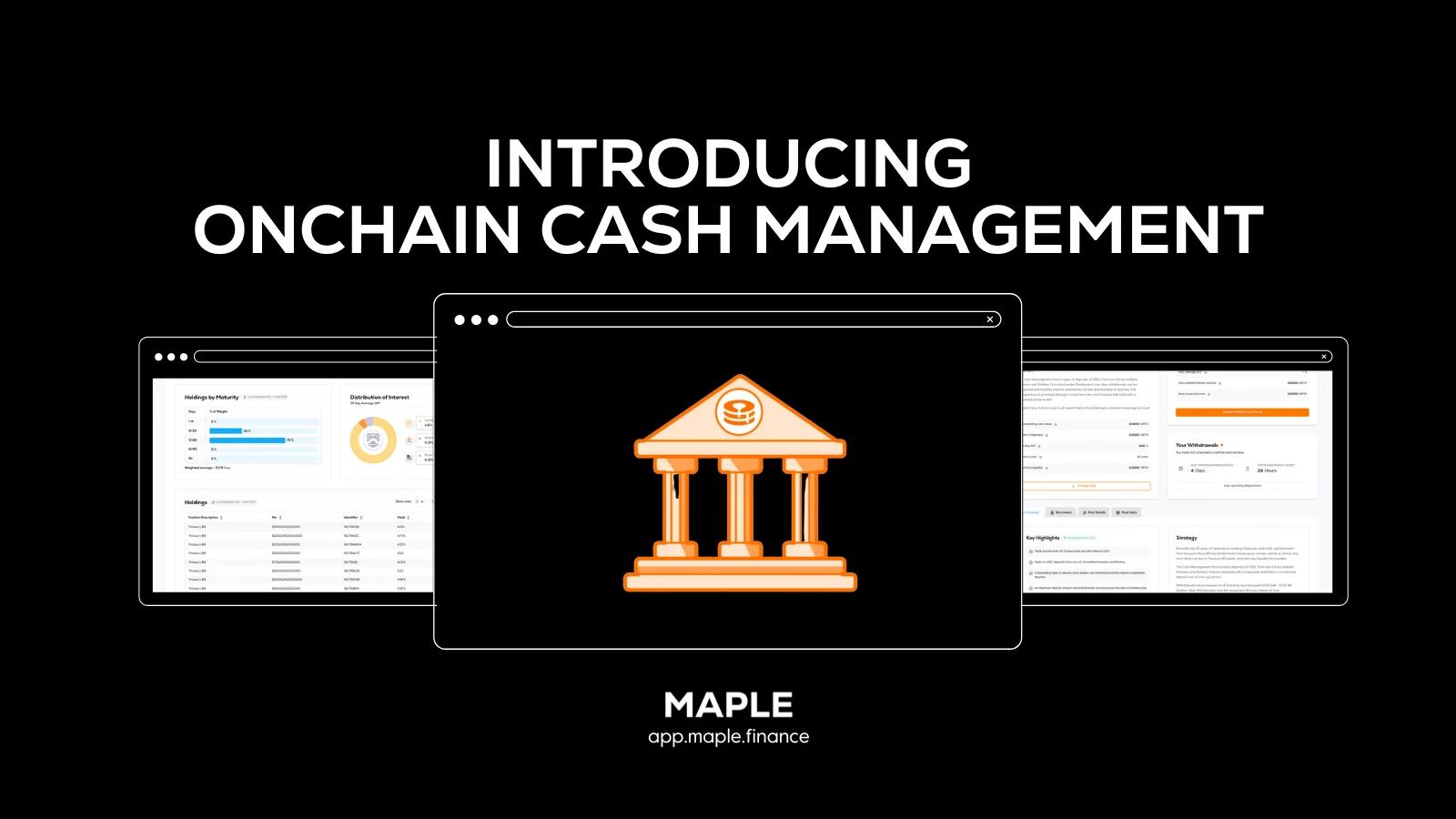
Spotting Weak Onchain Treasury Options
Treasury management promises institutional-grade security, but the onchain landscape is littered with projects that overstate their safety or underdeliver on yield. Before committing protocol funds, you need to separate actual regulatory compliance from marketing gloss. Many "stablecoin yield" strategies rely on opaque lending books rather than direct asset exposure.
Opaque Yield Structures
High yields often mask counterparty risk. If a protocol generates returns through unverified lending or complex derivatives without clear audit trails, it is a liability, not an asset. Look for strategies that hold the underlying asset, like US Treasuries, in a verifiable custodial wallet. Products like Ondo Finance (OUSG) succeed because they mint tokens directly backed by short-term US Treasuries, offering transparent 24/7 minting and redemption. Avoid any yield source that cannot prove the asset's existence on-chain.
Regulatory Gray Zones
Not all onchain treasury tools are created equal. Some operate in jurisdictions with no consumer protection, leaving your funds vulnerable to sudden freezes or hacks. Prioritize platforms built for institutional investors who adhere to strict KYC/AML standards and maintain legal clarity. If a platform cannot clearly articulate its legal structure or custodial partners, treat it as a high-risk experiment rather than a treasury staple.
Liquidity Traps
Many onchain assets promise instant liquidity but impose hidden slippage or withdrawal delays during market stress. Always test small redemptions before deploying significant capital. If a protocol requires multi-day approval for withdrawals or imposes high exit fees, it fails the basic test of a liquid treasury tool. True onchain efficiency means you can access your funds when you need them, not when the protocol allows it.
Onchain treasury: what to check next
Before committing capital to tokenized assets, it helps to separate marketing language from legal reality. These answers address the most common practical objections readers raise when evaluating onchain treasury strategies.
No comments yet. Be the first to share your thoughts!