
Why Treasuries Are Shifting On-Chain
Corporate treasury management is undergoing a structural shift from traditional cash pools to on-chain digital assets. This transition is driven by the need for real-time transparency, settlement speed, and access to yield that traditional banking rails often cannot provide efficiently. By moving treasury operations on-chain, companies can leverage distributed ledger technology to maintain precise, immutable records of their liquidity positions.
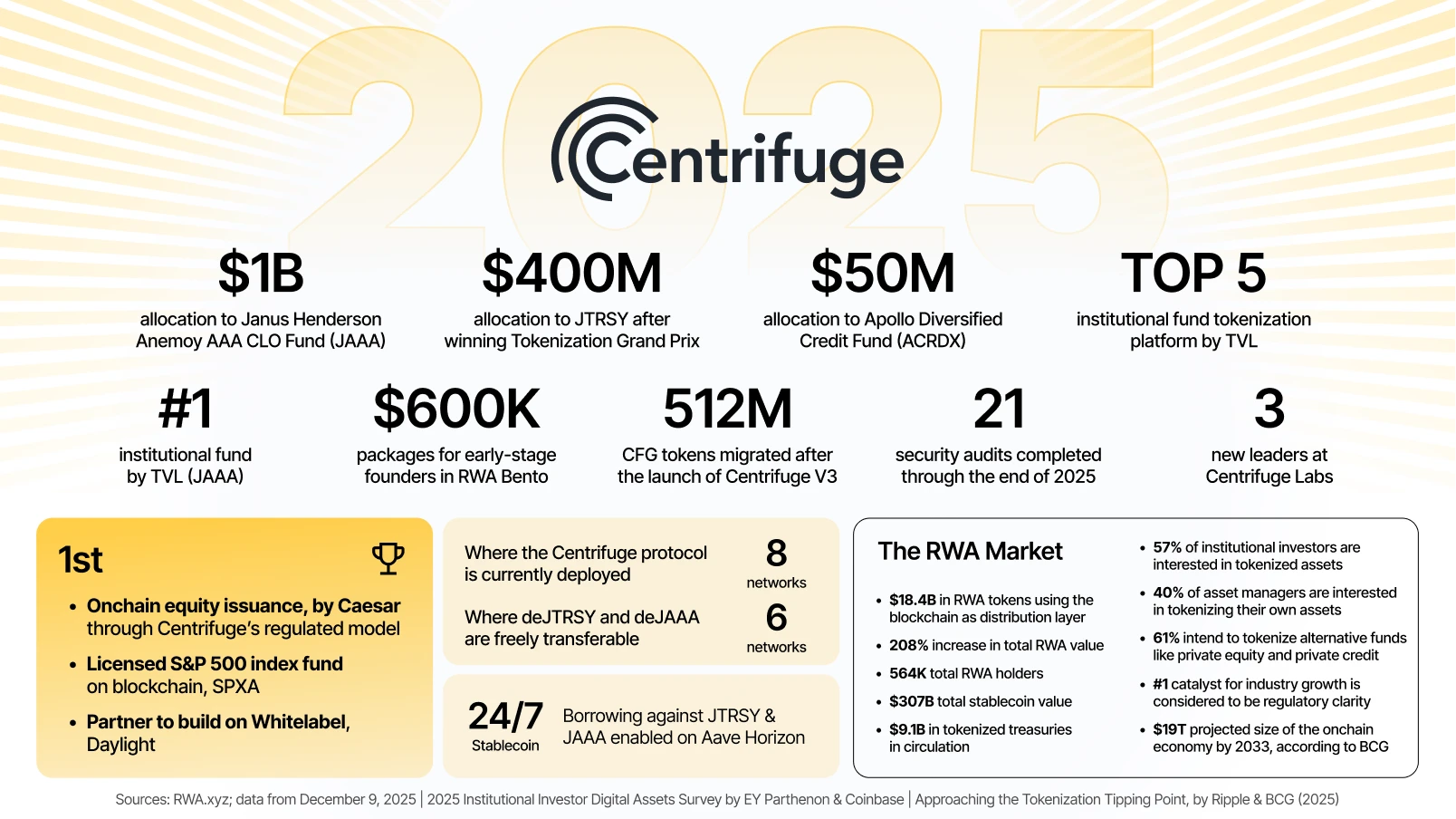
The growth in tokenized treasury funds illustrates this momentum. Recent data indicates that on-chain treasury funds have accumulated approximately $2.7 billion in assets, distributed across 114 wallets with an average holding of $24 million per wallet. This capital deployment signals institutional confidence in the stability and accessibility of tokenized real-world assets (RWAs) as a viable alternative to conventional cash management.
Stablecoins play a central role in this strategy, offering a bridge between fiat value and blockchain efficiency. Corporations increasingly use stablecoins for cross-border payments and liquidity management, reducing the friction and time delays associated with international wire transfers. This approach allows treasuries to maintain liquidity in digital form while preserving value parity with traditional currencies.
The shift is not merely technological but operational. On-chain treasuries enable automated compliance through smart contracts and provide granular visibility into asset allocation. As market conditions evolve, the ability to move capital instantly and transparently on-chain becomes a competitive advantage for companies managing large-scale liquidity reserves.
Stablecoin reserves as primary liquidity
Treasury managers are increasingly turning to stablecoins to manage daily operational liquidity. Unlike volatile assets, stablecoins provide a predictable unit of account while retaining the speed of blockchain settlement. For global organizations, this shift reduces the friction and cost associated with traditional cross-border wire transfers.
The primary advantage lies in settlement efficiency. Traditional banking channels often require days to clear international payments, involving multiple intermediary banks and foreign exchange spreads. Stablecoins settle in minutes, 24/7, allowing treasuries to move capital instantly across jurisdictions. This speed is critical for managing working capital and responding to real-time market opportunities.
Liquidity depth in major stablecoins like USDC and USDT is now comparable to traditional money market funds for on-chain operations. This depth ensures that large treasury movements do not suffer significant slippage. However, treasurers must monitor the underlying reserves of the stablecoin issuers to ensure regulatory compliance and asset backing.
While the technology is mature, the choice of stablecoin issuer matters. Not all stablecoins are created equal; some are backed by cash, others by short-term government treasuries. Treasuries should prioritize issuers with transparent, audited reserve reports to mitigate counterparty risk. This due diligence ensures that the digital dollar remains stable when it matters most.
The integration of stablecoins into treasury stacks is not just about speed; it is about financial sovereignty. By holding liquidity on-chain, organizations gain direct control over their assets without relying on legacy banking infrastructure. This control reduces operational risk and provides greater visibility into cash positions across global subsidiaries.
Tokenized treasuries and RWA yield
Use this section to make the On-Chain Treasury Strategies for decision easier to compare in real life, not just on paper. Start with the reader's actual constraint, then separate must-have requirements from details that are merely nice to have. A practical choice should survive normal use, maintenance, timing, and budget. If a recommendation only works in an ideal situation, call that out plainly and give the reader a fallback path.
| Factor | What to check | Why it matters |
|---|---|---|
| Fit | Match the option to the primary use case. | A good deal still fails if it does not fit the job. |
| Condition | Verify age, wear, and service history. | Hidden condition issues erase upfront savings. |
| Cost | Compare purchase price with likely upkeep. | The cheapest option is not always the lowest-cost option. |
Deploying Capital into DeFi Yield Strategies
Corporate treasuries are increasingly moving beyond passive holding to actively deploying capital into decentralized finance (DeFi) protocols. This shift aims to generate yield on idle stablecoin reserves and tokenized real-world assets (RWAs) that were previously sitting in low-interest bank accounts. By leveraging smart contracts, treasuries can automate cash management workflows, accessing liquidity pools and lending markets 24/7.
The primary mechanism for this deployment is typically through established lending protocols or liquid staking derivatives. For instance, treasury managers might supply USDC or DAI to a lending market to earn interest, or stake ETH to participate in proof-of-stake rewards while maintaining some liquidity. These strategies offer yields significantly higher than traditional money market funds, but they introduce distinct risks that require rigorous due diligence.
Risk management remains the cornerstone of any on-chain treasury strategy. Smart contract risk—the possibility of a bug or exploit in the protocol’s code—is the most significant threat. Unlike traditional banking, where deposits are insured, a protocol hack can result in total loss of capital. Additionally, liquidity risk and impermanent loss must be carefully modeled. Treasuries often mitigate these risks by diversifying across multiple audited protocols and using conservative yield targets that prioritize capital preservation over aggressive returns.
To understand the volatility context of these underlying assets, treasuries must monitor the broader market. The performance of DeFi yields is often correlated with the price action of the base assets, such as ETH or major stablecoins. Monitoring technical indicators helps treasury managers decide when to rebalance or withdraw funds during periods of extreme market stress.
Risk management and compliance in on-chain treasuries
On-chain treasury operations introduce distinct security vectors that traditional corporate treasuries do not face. The immutable nature of blockchain transactions means that errors or unauthorized actions are often irreversible. Consequently, the primary defense is not just technological, but procedural. Corporate treasuries must implement strict governance frameworks that mirror the rigor of traditional banking, adapted for decentralized environments.
Multi-signature governance
Single-key wallets are unacceptable for institutional holdings. Multi-signature (multi-sig) wallets require multiple private keys to authorize a transaction, distributing risk across several stakeholders. This structure prevents any single individual from moving funds unilaterally. For high-value treasuries, multi-sig setups often involve a combination of hardware security modules (HSMs) and offline cold storage solutions. The threshold for approval—such as 3-of-5 signatures—ensures that consensus is required for significant outflows, providing an audit trail that satisfies internal compliance teams.
Proof of reserves and transparency
Unlike traditional balance sheets, on-chain assets allow for real-time verification. Proof of Reserves (PoR) mechanisms enable treasuries to demonstrate solvency without revealing sensitive transactional details. By publishing merkle roots or public addresses, organizations can prove that assets backing liabilities are held in full. This transparency builds trust with stakeholders and regulators, reducing the information asymmetry that often plagues digital asset markets. However, PoR must be coupled with regular third-party audits to ensure that the on-chain data accurately reflects the off-chain legal entity’s holdings.
Stablecoin and issuer risk
Treasury strategies relying on stablecoins must account for issuer risk and regulatory shifts. Not all stablecoins are created equal; some are fully backed by cash and short-term government treasuries, while others use more complex collateral structures. Treasuries should diversify across issuers and chains to mitigate the risk of a single protocol failure or regulatory crackdown. Additionally, understanding the liquidity depth of these assets is critical. In times of market stress, even well-backed stablecoins can experience de-pegging events due to liquidity drains, making the choice of exchange and liquidity provider a component of risk management.
Regulatory compliance frameworks
Navigating the evolving regulatory landscape requires proactive engagement with local financial authorities. Treasuries must ensure that their on-chain activities comply with anti-money laundering (AML) and know-your-customer (KYC) regulations. This often involves integrating blockchain analytics tools to screen counterparties and monitor transaction flows for suspicious activity. As regulations tighten, the ability to generate compliant reports directly from on-chain data will become a competitive advantage, allowing treasuries to operate efficiently within legal boundaries.
No comments yet. Be the first to share your thoughts!