
Why Treasuries Are Moving On-Chain
Traditional banking rails are built for a world that no longer exists. They operate on legacy infrastructure designed for batch processing, limited hours, and opaque intermediaries. By 2026, corporate treasuries are shifting to blockchain infrastructure to access 24/7 settlement, real-time transparency, and programmable money. This shift is not merely about adopting new technology; it is about replacing outdated operational bottlenecks with distributed ledger systems that align with modern global commerce.
The most immediate advantage is the removal of temporal constraints. Traditional banking systems operate within business hours and across time zones, often requiring days for cross-border settlements to clear. Blockchain networks, by contrast, never close. Transactions are validated and recorded on the main network continuously, allowing treasurers to move capital instantly regardless of the day or hour. This 24/7/365 availability eliminates the friction of waiting for market opens or dealing with weekend delays.
Note: Unlike traditional banking hours, blockchain settlement occurs 24/7/365. This continuous availability allows for immediate liquidity management and faster response to market opportunities.
Beyond speed, on-chain operations offer a level of transparency that traditional bank accounts simply cannot match. Every transaction is immutable and permanent on the ledger, creating an auditable trail that is accessible in real time. This transparency reduces the need for manual reconciliation and minimizes the risk of errors or fraud. For public companies and regulated entities, this built-in auditability simplifies compliance and reporting processes significantly.
Programmability adds another layer of efficiency. Smart contracts allow treasuries to automate complex financial operations, such as conditional payments, yield generation, and asset allocation, without manual intervention. This reduces operational costs and human error while ensuring that funds are deployed exactly as intended. As digital assets and tokenized real-world assets (RWAs) become more integrated into corporate balance sheets, the ability to program these assets into treasury strategies becomes a critical competitive advantage.
The transition is driven by the need for precision and discipline in managing digital assets. Just as traditional treasurers manage cash and bonds with strict protocols, on-chain treasuries require similar rigor but leverage the unique capabilities of blockchain networks. The result is a treasury function that is faster, more transparent, and more adaptable to the rapidly changing financial landscape.
Tokenized treasuries replace idle cash
Tokenized U.S. Treasury bills and notes are shifting from experimental assets to the standard for on-chain liquidity. By putting government debt on-chain, these instruments offer instant settlement and 24/7 access, effectively replacing traditional money market funds for many digital-native treasuries. The total value of tokenized U.S. government debt has grown significantly, with platforms like RWA.xyz tracking over $16 billion in distributed value as of late 2025.
This shift matters because it bridges the gap between the speed of blockchain transactions and the safety of sovereign debt. Instead of waiting days for T+1 or T+2 settlement, tokenized treasuries settle in minutes. This immediacy allows treasurers to deploy capital more efficiently, using yield-bearing assets as collateral in decentralized finance protocols without the friction of traditional banking rails.
The following comparison highlights how tokenized treasuries differ from their traditional counterparts in key operational areas.
| Feature | Traditional T-Bills | Tokenized T-Bills |
|---|---|---|
| Settlement | T+1 (1 day) | Instant (minutes) |
| Trading Hours | Market hours only | 24/7 |
| Accessibility | Institutional/Brokerage | On-chain wallets |
| Collateral Utility | Limited (custodial) | DeFi-ready (composable) |
| Minimum Investment | $1,000 | Variable (often <$100) |
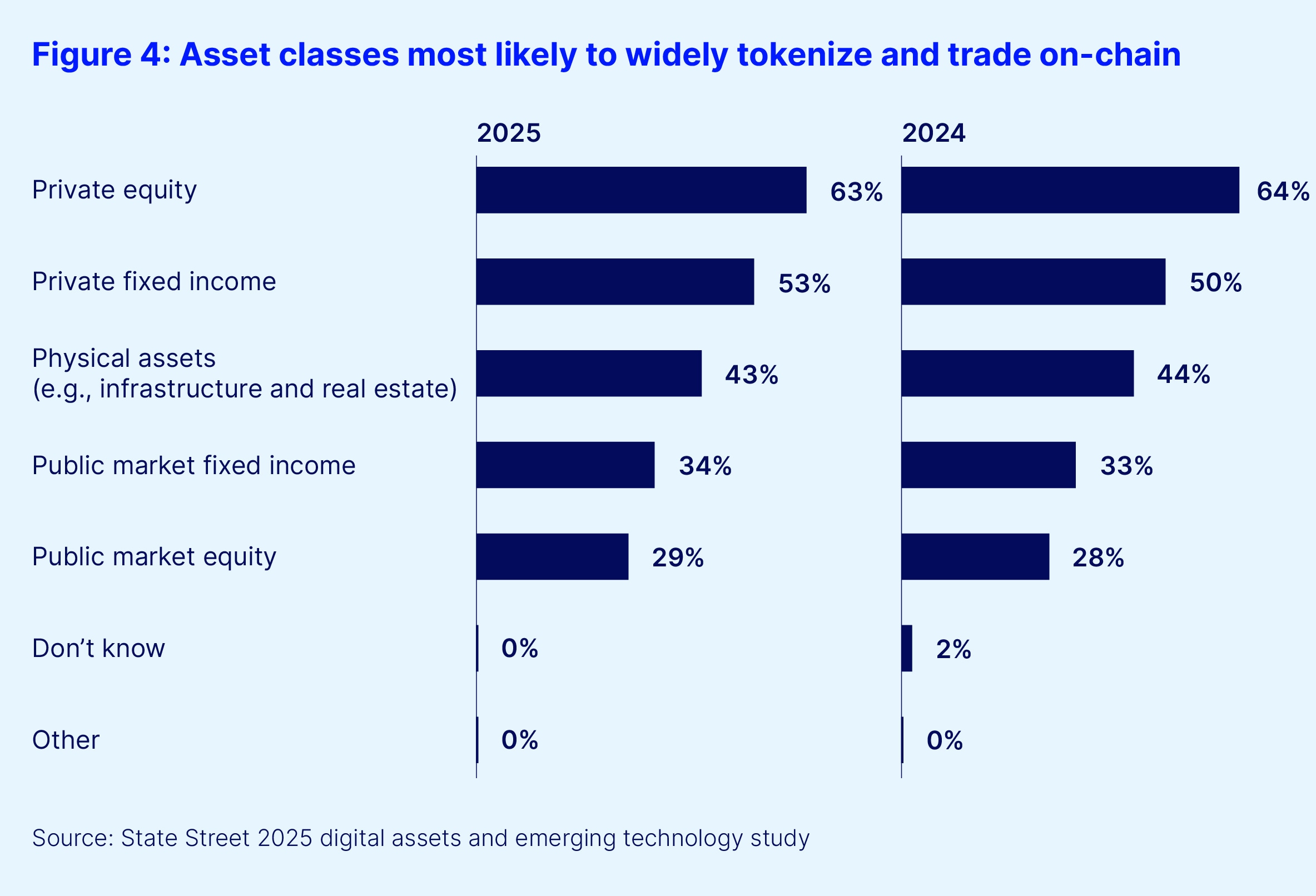
While traditional T-bills remain the bedrock of global finance, their infrastructure is built for a slower, more regulated era. Tokenized versions retain the underlying safety of U.S. government backing but add the composability and liquidity of crypto. This makes them ideal for entities that need to keep capital liquid while earning a risk-free rate, whether for corporate treasuries, DAOs, or individual investors.
As the infrastructure matures, we are seeing a convergence where the "idle cash" problem is solved not by holding unyielding stablecoins, but by holding tokenized sovereign debt. This strategy offers the best of both worlds: the yield of Treasuries with the speed of blockchain.
Stablecoin yield and liquidity management
Treasury optimization with stablecoins moves beyond simple holding. Protocols and institutions now deploy capital into decentralized money markets and real-world asset (RWA) yield sources. This strategy aims to maximize returns on idle cash while maintaining the liquidity needed for operations. However, this approach introduces distinct risks related to issuer stability and smart contract exposure that traditional finance counterparts do not face.
Protocol Yield and Money Markets
Decentralized finance (DeFi) protocols allow treasuries to lend stablecoins to borrowers, generating yield through interest rates. Platforms like Aave and Compound are primary examples where capital is allocated based on supply and demand dynamics. For treasuries, this offers transparency and 24/7 access to liquidity, unlike traditional bank accounts. The yield is typically variable, fluctuating with market conditions.
Real-World Asset Backing
A growing segment involves tokenized short-term US Treasury bills. Projects like Backed Finance offer on-chain products backed by traditional fixed-income assets. This bridges the gap between DeFi efficiency and regulated financial instruments. Treasuries can earn yield from government debt while keeping assets on-chain for easy transfer or use as collateral. This method reduces counterparty risk associated with uncollateralized lending but introduces regulatory complexity.
Issuer and Smart Contract Risks
The primary risk in stablecoin yield strategies is issuer choice. Not all stablecoins are equally backed or regulated. USDC and USDT dominate the market, but their reserve compositions and audit practices vary. Treasuries must verify the quality of the underlying assets. Additionally, smart contract exposure remains a critical concern. Code vulnerabilities can lead to total loss of funds. Audits from reputable firms are essential, but they do not guarantee immunity from exploits. Treasuries must diversify across protocols and issuers to mitigate these risks.
Liquidity Management
Liquidity management involves balancing yield generation with the need for immediate cash access. High-yield strategies often lock up capital for longer periods. Treasuries must maintain a buffer of liquid stablecoins for day-to-day operations. This requires a disciplined approach to asset allocation, ensuring that yield-generating positions do not jeopardize operational flexibility. Regular monitoring of protocol health and market conditions is necessary to adjust strategies as needed.
Bitcoin as the reserve anchor
Treating Bitcoin as the sole treasury asset is a strategy from a simpler era. In 2026, the most resilient corporate treasuries use Bitcoin as a long-term store of value anchor, while other assets handle daily operational liquidity and yield generation. This separation of duties allows organizations to maintain stability without sacrificing the upside potential of digital assets.
Bitcoin’s role is to preserve capital over multi-year horizons. It is the bedrock of the treasury, similar to gold in traditional reserve management. While it may experience short-term volatility, its scarcity and network effects make it an ideal hedge against currency debasement. By locking a significant portion of digital assets into Bitcoin, companies create a floor for their treasury value that is less susceptible to the fluctuations of individual project risks.
The image below illustrates the broader landscape of on-chain vaults and treasury diversification, where Bitcoin serves as the foundational layer alongside other yield-generating assets.
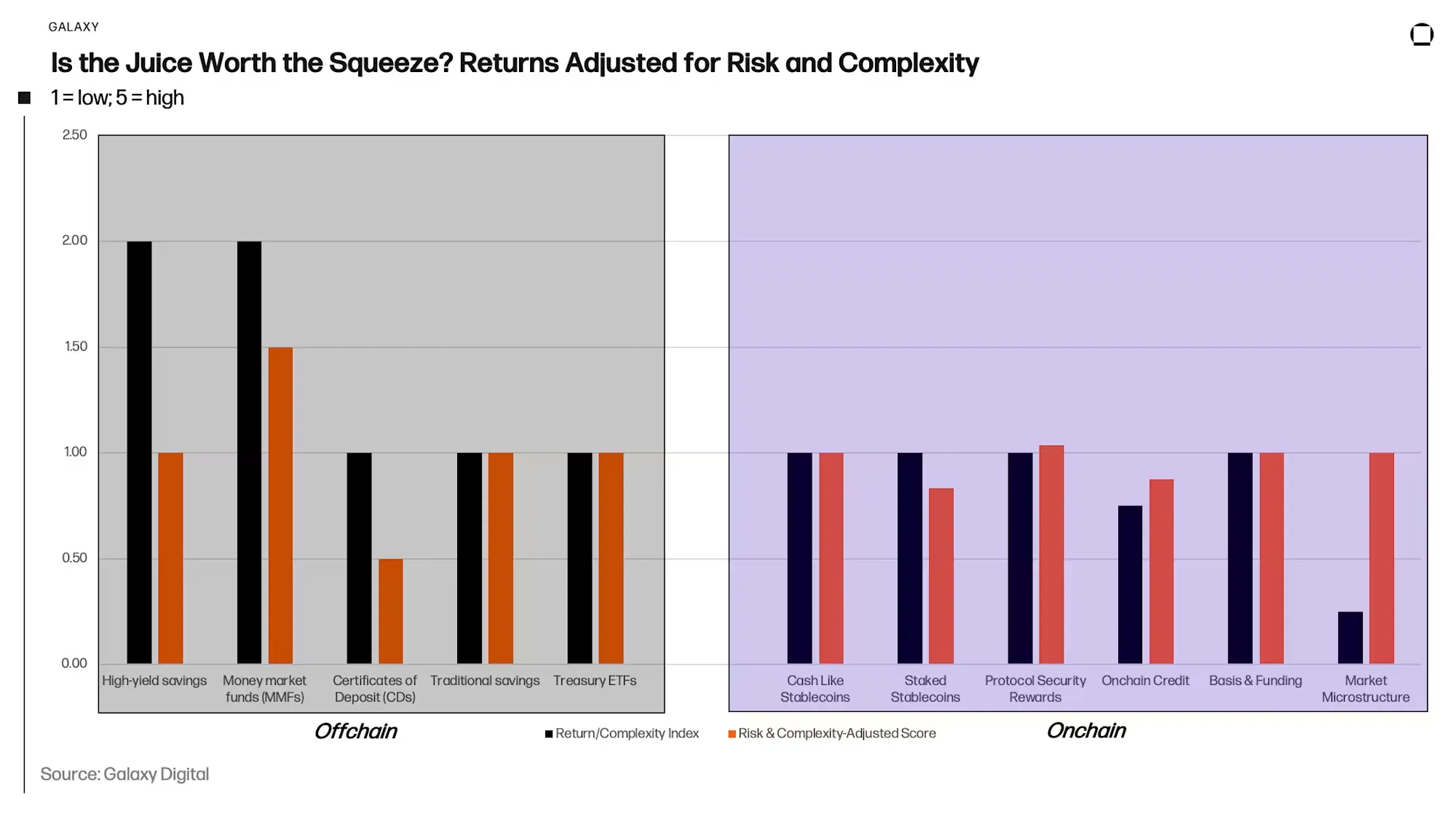
To manage the remaining treasury capital, organizations deploy stablecoins and liquid staking derivatives for day-to-day operations. These assets provide the immediate liquidity needed for payroll, vendor payments, and working capital, while still earning yield through on-chain protocols. This hybrid approach ensures that the treasury is both secure and productive, balancing the long-term hold of Bitcoin with the operational flexibility of liquid assets.
Navigating Regulatory and Custody Risks
The shift toward onchain corporate treasuries introduces distinct regulatory and operational hazards that differ sharply from traditional finance. Unlike bank deposits, digital assets exist on distributed ledgers where transactions are immutable and public. This transparency is a double-edged sword: it enables real-time auditing but also exposes treasury positions to front-running and targeted attacks if not managed with institutional-grade precision.
Custody remains the primary vulnerability. Companies must choose between self-custody, which offers maximum control but requires rigorous internal security protocols, and third-party custodians, which introduce counterparty risk. The 2026 landscape demands a hybrid approach. Treasurers should prioritize custodians that provide multi-signature wallets, hardware security modules (HSMs), and clear insurance coverage for digital assets. Relying on a single custodian without proper segregation of duties is no longer a viable strategy for maintaining asset integrity.
Proof-of-reserves (PoR) has evolved from a niche crypto practice to a standard expectation for onchain asset management. PoR allows entities to cryptographically prove they hold sufficient assets to cover liabilities without revealing sensitive transaction data. Implementing Merkle tree-based proofs ensures that stakeholders can verify solvency in real time. This transparency builds trust with investors and regulators, signaling that the treasury operates with the same discipline as traditional cash management.
Regulatory compliance requires proactive engagement with evolving frameworks. Treasurers must monitor guidance from bodies like the SEC and international equivalents regarding the classification of digital assets. Misclassifying a token can lead to severe legal consequences. Establishing a compliance-first architecture from the outset—integrating KYC/AML checks into smart contracts and maintaining detailed audit trails—reduces the risk of future regulatory friction. The goal is to build a treasury that is not only efficient but also legally resilient.
Market Volatility and Asset Performance
Digital assets remain subject to significant price volatility, which can impact treasury stability. While Bitcoin and Ethereum serve as foundational reserves, their value fluctuates based on macroeconomic factors, adoption rates, and market sentiment. Treasurers must account for this volatility in their risk management strategies, often using hedging instruments or stablecoin allocations to mitigate exposure.
To understand current market conditions, it is essential to monitor live price data and technical indicators. Below is a real-time chart for Bitcoin, the most common onchain treasury asset, showing recent price action and volume trends.
Comparative Custody Solutions
Choosing the right custody solution involves balancing security, cost, and ease of integration. The table below compares key features of major institutional custody providers to help treasurers make informed decisions.
| Provider | Custody Type | Insurance Coverage | Multi-Sig Support |
|---|---|---|---|
| Fireblocks | Hybrid | Yes (up to $250M) | Yes |
| Coinbase Custody | Qualified Custodian | Yes (up to $255M) | Yes |
| Anchorage Digital | Qualified Custodian | Yes (up to $250M) | Yes |
| Fireblocks | Hybrid | Yes (up to $250M) | Yes |
On-Chain Payments, Funds, and Treasuries
Treasurers navigating digital assets often encounter overlapping terminology. Understanding the distinction between payments, funds, and treasuries clarifies how capital moves and is managed on distributed ledgers.
What are on-chain payments?
On-chain payments are transactions validated and recorded directly on a blockchain network, such as Bitcoin or Ethereum. Unlike off-chain ledgers, these transactions are immutable and visible to the public. For corporate treasurers, this means payments settle directly between parties without traditional intermediaries, though they must account for network fees and settlement times.
What is an on-chain fund?
An on-chain fund automates asset allocation, trade execution, and reporting using smart contracts and oracles. This infrastructure replaces traditional fund managers and custodians, offering greater transparency and efficiency. By removing intermediaries, these funds can execute complex strategies in real-time while providing auditable proof of reserves.
What is a blockchain treasury?
Blockchain treasury management involves overseeing a company’s digital assets with the same discipline applied to cash and bonds. Instead of bank accounts, treasurers manage digital wallets and navigate 24/7 markets. This requires specialized security protocols and risk management frameworks to handle volatility and smart contract risks.
What is on-chain used for?
The term “on-chain” refers to any data or transaction permanently recorded on a blockchain. This immutability ensures security and transparency, making it ideal for auditing supply chains, verifying ownership of tokenized assets, and maintaining compliant financial records that cannot be altered retroactively.
No comments yet. Be the first to share your thoughts!