

In the decentralized world of DAOs, where collective decision-making should empower communities, whale capture and opaque spending stand as silent saboteurs. Picture a treasury bloated with stablecoins and native tokens, only for a single large holder to swing votes toward self-serving proposals, or funds to vanish into untracked outflows without accountability. These vulnerabilities not only drain resources but fracture the very trust that binds participants. Drawing from recent DAO evolutions, this article dissects these risks and charts a path to fortified on-chain treasury transparency.
Unpacking Whale Capture in DAO Governance
Whale capture occurs when token whales-holders with outsized stakes-dominate governance, overriding the community's voice. The Compound Finance episode in July 2024 exemplifies this: a whale pushed through a proposal siphoning $24 million in COMP tokens, ignoring widespread objections. Such incidents highlight how concentrated voting power can lead to DAO treasury whale capture, prioritizing individual gains over long-term protocol health.
From my years dissecting market dynamics, this mirrors traditional markets where insiders manipulate flows. In DAOs, it manifests through flash loan exploits or dormant wallets awakening to tip scales. The result? Misallocated treasuries, stalled innovations, and voter apathy, as participants feel sidelined. Recent research underscores this, noting whale influences exacerbate governance apathy and hinder sustainable ecosystems.


Yet, awareness breeds resilience. DAOs now scrutinize token distributions, recognizing that uneven holdings invite predation. This isn't mere theory; it's a call to recalibrate power dynamics for equitable control.
The Hidden Perils of Opaque Treasury Spending
Opaque spending compounds whale risks, as untraceable outflows mask inefficiencies or malfeasance. Without clear audit trails, treasuries become black boxes: grants disbursed without milestones, investments in unvetted ventures, or quiet dumps during volatility. Stablecoin vaults, meant for capital preservation, suffer most, with hidden contagion risks echoing the USDC crisis-where even 'safe' assets revealed transparency gaps.
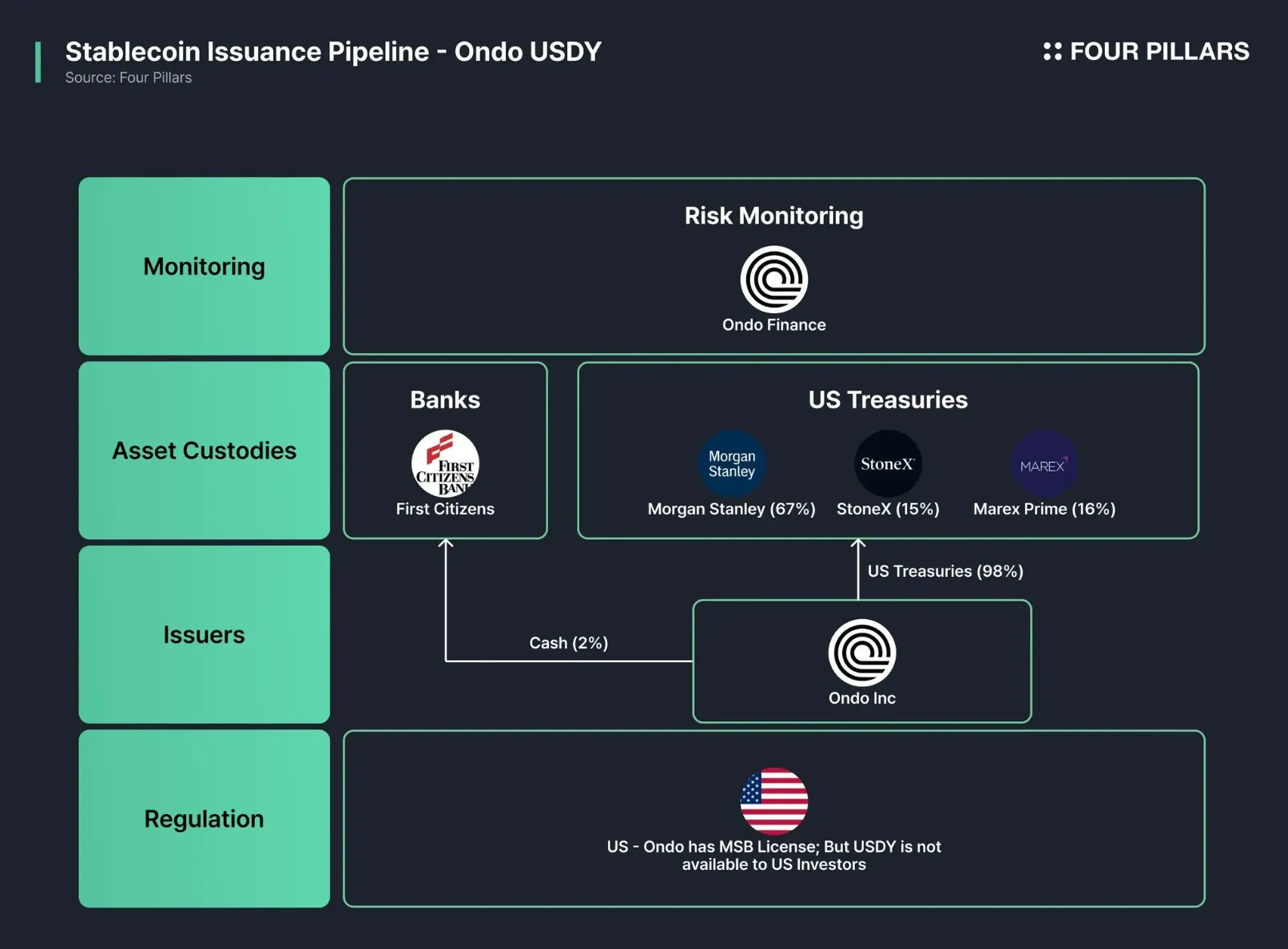
Consider fiat-backed stablecoins: concerns over reserve adequacy and third-party custodians amplify opaque spending DAO risks. DAOs holding millions in these assets need ironclad visibility to avert losses. My disciplined approach always stresses: track every satoshi. Absent this, communities face eroded confidence, much like the digital commons Ostrom warned against without robust rules.
Key Risks of Opaque DAO Spending
- Misallocated Grants: Funds awarded without proper vetting, as in the Compound Finance incident where a whale passed a proposal allocating $24 million in COMP tokens despite community objections. Source
- Unvetted Investments: Treasury allocations to risky assets lacking due diligence, amplifying volatility risks noted in DAO treasury diversification efforts like Uniswap's strategies. Source

- Hidden Dumps: Whales executing covert sales of treasury holdings, exemplified by governance capture risks for quick exits as discussed in DeFi analyses. Source
- Reserve Shortfalls: Inadequate backing in treasury stablecoin holdings, with fiat-backed stablecoins facing transparency and reserve adequacy concerns per research. Source
- Trust Erosion: Loss of community confidence from opaque decisions, fueling whale influence and voter apathy as seen in DAO governance challenges. Source
Transparency reports, like Aave Chan Initiative's detailing expenditures tied to revenue growth, set benchmarks. They prove accountability drives performance, turning treasuries into engines of value rather than liability sinks.
Fortifying Defenses: Time-Locks and Multi-Signature Safeguards
To neutralize whale sway, DAOs deploy layered protections. Time-lock delays on governance actions prevent snap decisions, giving communities time to rally. The 1inch Network DAO's multi-signature wallet-12 signers from diverse projects, needing 7-of-12 veto consensus-exemplifies distributed power. This structure thwarts unilateral moves, ensuring no single entity commandeers the treasury.
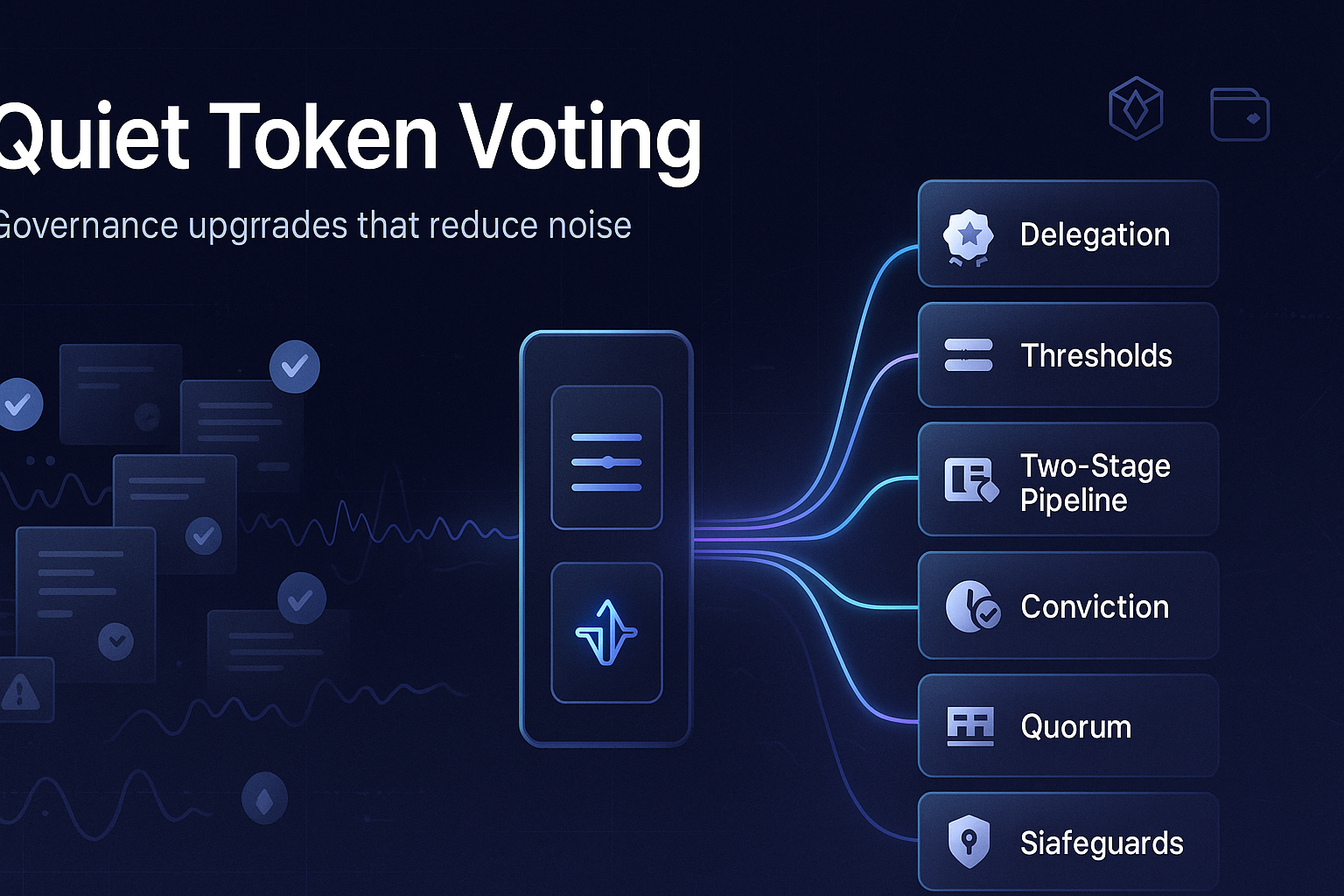
Snapshot voting complements this, enabling off-chain signals before on-chain execution, diluting whale immediacy. Veto councils add final checks, as seen in emerging protocols. These mechanisms align with Ostrom's principles for governing commons: clear boundaries, proportional rules, and collective-choice arrangements.
In practice, they transform vulnerability into strength. Uniswap's Treasury Working Group diversified into $53.4 million in cash and stablecoins by May 2025, shielding against native token volatility. Such steps mitigate DAO treasury governance pitfalls, fostering decisions that serve the many.
Building on these safeguards, treasury diversification emerges as a cornerstone against both whale dominance and spending opacity. By shifting from heavy native token exposure to stablecoin vaults and cash equivalents, DAOs insulate against volatility spikes that whales exploit for leverage. Uniswap's pivot, amassing $53.4 million in stablecoins and cash, underscores this strategy's merit, buffering governance from token price whims.
Diversifying into Stablecoin Vaults for Resilience
Stablecoin vaults DAOs represent optimized havens for capital preservation, yet they demand vigilant risk management. Fiat-backed variants invite scrutiny over reserves and custodians, while algorithmic ones carry depegging specters. Effective protocols blend diversification with Chainalysis-style risk tools, ensuring regulatory alignment and confidence. From my vantage, this mirrors forex hedging: never bet the farm on one asset class.
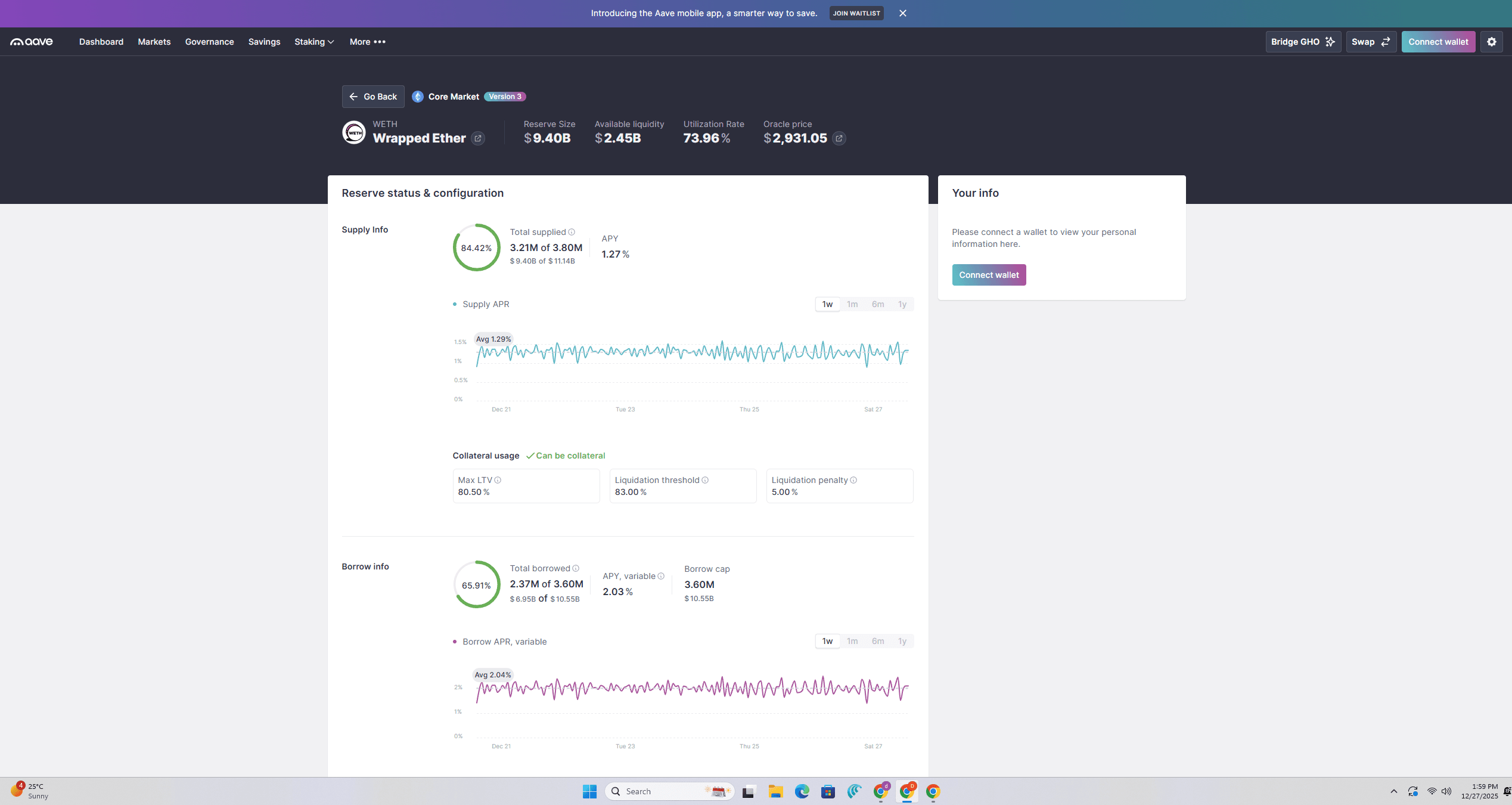
Recent shifts show DAOs migrating vaults swiftly via governance proposals, outpacing corporate boards. This agility, paired with transparent dashboards, curbs on-chain treasury transparency gaps. Aave's transparency report linked expenditures to revenue uplift, proving diversification fuels growth when accountable.
DAO Treasury Strategies Comparison
| Mechanism | Assets Protected | Outcome |
|---|---|---|
| Treasury Diversification (Uniswap) | $53.4M in cash and stablecoins | Reduced volatility risk 💰✅ |
| Multi-sig Veto (1inch) | DAO treasury | Prevents malicious transactions 🔒🛡️ |
| Transparency Report (Aave) | Treasury expenditures and protocol revenue | Enhanced accountability 📊✨ |
| Whale Incident (Compound | $24M in COMP tokens | Governance attack exposed ⚠️🚨 |
Opinionated take: DAOs ignoring diversification court the same fate as overleveraged traders I’ve seen wiped out. Prioritize stablecoin vaults DAOs with proven audits; they’re the bedrock of on-chain treasury best practices.
Automating Accountability: Tools Against Opaque Flows
Automation via smart contracts revolutionizes oversight. Chainlink Runtime Environment automates vesting and grants, releasing funds only on milestones. This slashes manual errors and whale manipulations, enforcing rules programmatically. Snapshot voting and time-locks further democratize input, echoing Ostrom's collective-choice ethos for digital commons.
1inch's veto council exemplifies: diverse signers prevent capture, much like diversified portfolios mitigate single-point failures. These tools foster voter engagement, countering apathy fueled by past betrayals like Compound's $24 million drain.

Yet implementation demands discipline. DAOs must audit contracts rigorously, lest backdoors invite exploits. My precision mantra applies: test exhaustively, deploy incrementally.
DAO Treasury Best Practices
- Time-Locked Proposals: Introduce delays on governance actions to curb whale influence and rushed decisions, reducing risks highlighted in incidents like Compound Finance's $24M token allocation in 2024. Learn more
- Multi-Sig Wallets: Use setups like 1inch Network DAO's 12-signer wallet requiring 7-of-12 consensus to veto malicious transactions and distribute control. Details here

- Automated Vesting: Leverage tools like Chainlink Runtime Environment (CRE) for smart contracts that vest tokens or release funds only on predefined conditions, minimizing manual risks. Explore CRE
- Diversification to Stablecoins: Shift holdings to stable assets, as Uniswap Foundation did with $53.4 million in cash and stablecoins by May 2025, mitigating volatility. Uniswap case
- Regular Transparency Reports: Publish detailed expenditure reports like Aave Chan Initiative's (ACI), fostering accountability and protocol growth. ACI report
Implementing a Robust Defense Framework
A holistic framework integrates these elements. Start with tokenomics audits to cap whale thresholds, then layer governance primitives. Treasury working groups, as Uniswap deployed, guide allocations transparently. Security protocols evolve too: post-Compound, DAOs eye flash loan protections and quorum hikes.
Stablecoin risk suites from Chainalysis complement this, flagging illicit flows in real-time. The payoff? Treasuries that propel protocols forward, not falter under pressure.
Forward momentum builds. As DAOs mature, these practices solidify trust, turning treasuries into transparent powerhouses. Communities thrive when power disperses and every dollar traces back to value created, paving a sustainable path in DeFi's frontier.




No comments yet. Be the first to share your thoughts!