
In 2025, on-chain governance is fundamentally reshaping how DAOs approach treasury management. Gone are the days of opaque fund allocations and slow-moving, manual processes. Today’s advanced DAOs leverage programmable, transparent systems that not only safeguard assets but also empower communities to make data-driven financial decisions at scale. This evolution is rapidly establishing decentralized treasury solutions as the new institutional standard for digital organizations.
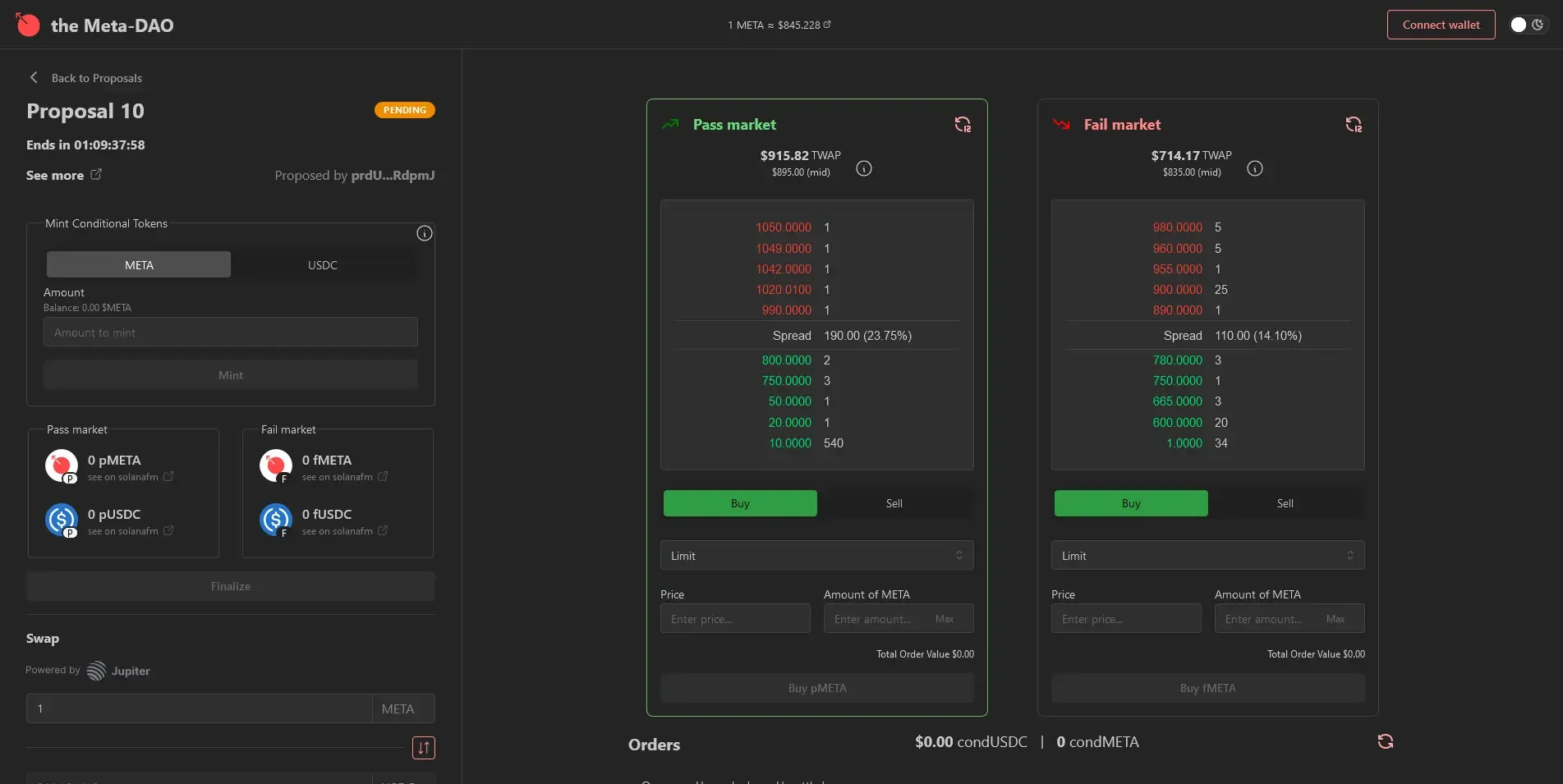
Automated Treasury Management: The Rise of Stablecoin Vaults
The backbone of modern DAO treasury management in 2025 is the automated stablecoin vault. These systems, powered by protocols like Aera and Factor. fi, allow DAOs to embed custom risk mandates directly into smart contracts. Instead of relying on ad hoc committee votes or centralized signatories, treasuries are now managed by decentralized networks of professional allocators who execute according to predefined parameters.
This shift brings two critical advantages: reduced governance overhead and continuous optimization. For example, a DAO can set a mandate to keep 30% of its holdings in operational reserves while maximizing yield on surplus assets through delta-neutral strategies. The vault automatically rebalances exposures as market conditions change, freeing contributors from tedious manual oversight and minimizing human error.
If you’re interested in how tokenized vaults can automate idle capital for DAOs, see our detailed breakdown at this guide.
Delta-Neutral Strategies: Generating Yield Without Volatility
The volatility inherent to crypto markets has long been a concern for treasurers tasked with funding multi-year roadmaps. In response, leading DAOs are adopting delta-neutral yield strategies: sophisticated approaches that hedge out price risk while capturing returns from DeFi lending markets and liquidity pools. By balancing long and short positions across platforms, these strategies enable predictable cash flows without speculative exposure.
This model leverages the dominance of dollar-backed stablecoins over short-term U. S. Treasury yields, an innovation unique to the on-chain economy in 2025. As a result, DAOs can generate stable income streams that support grants programs, contributor payments, or ecosystem investments regardless of market turbulence.
Transparency and Real-Time Reporting: Building Trust at Scale
Transparent treasury management is no longer an aspiration, it’s an expectation among DAO stakeholders and regulators alike. The latest generation of vault protocols integrates real-time dashboards and open APIs that expose every transaction for instant verification by token holders or external auditors.
This level of visibility is transformative for community trust and operational resilience. It empowers contributors to scrutinize fund flows in real time and makes it trivial for third parties to audit compliance with internal policies or regulatory requirements. As DAOs expand globally and attract institutional partners, this transparency becomes a core competitive advantage, and a prerequisite for sustainable growth.
Diversification and Risk Management: Beyond Crypto Natives
A disciplined approach to risk management is central to every successful DAO treasury today. Leading organizations allocate between 20-40% of their portfolios to stablecoins for liquidity and operational stability; the remainder is diversified across blue-chip crypto assets or tokenized real-world assets such as U. S. Treasuries and short-term bonds.
This balanced allocation not only mitigates downside risk but also supports long-term strategic initiatives, whether funding R and D grants or bootstrapping new product verticals, by ensuring capital remains resilient through market cycles.
AI and Cross-Chain Governance: The Next Frontier in DAO Treasury Control
In 2025, the integration of artificial intelligence and cross-chain governance models is redefining what’s possible for programmable governance. Approximately 8.5% of new DAOs now deploy AI-powered assistants to analyze treasury health, surface risk alerts, and even suggest optimal rebalancing actions. These AI agents reduce cognitive load on human contributors, enabling more sophisticated scenario planning and evidence-based decision-making at scale.
Simultaneously, over 60% of DAOs utilize cross-chain treasury frameworks. This allows organizations to manage assets seamlessly across Ethereum, Layer 2s, and emerging stablecoin-native blockchains, without fragmenting oversight or losing auditability. The result is a new era of capital efficiency, DAOs can pursue the best yields or liquidity venues while maintaining unified governance standards.
For a deeper dive into how automated tools are transforming on-chain treasury operations, check out our resource on automated governance tools.
Real-Time Accountability: From Token Holder to Auditor
The maturation of on-chain accounting means every stakeholder, from passive token holders to external auditors, can verify fund flows in real time. Open APIs and dashboard integrations have become standard, allowing DAOs to publish live proof-of-reserves or transaction histories directly to their communities. This radical transparency not only deters mismanagement but also accelerates regulatory acceptance as DAOs seek to operate in more jurisdictions.
This shift toward instant verification is especially critical for DAOs managing physical assets or off-chain partnerships, where proof of solvency and responsible stewardship are non-negotiable. As decentralized organizations continue to scale globally, real-time accountability will separate enduring protocols from those unable to earn stakeholder confidence.
Best Practices: Building Resilient DAO Treasuries in 2025
- Automate where possible: Delegate routine rebalancing and yield optimization tasks to smart contracts or professional managers using programmable mandates.
- Diversify intelligently: Maintain a healthy mix of stablecoins for operational needs while allocating surplus capital across blue-chip tokens and tokenized real-world assets.
- Pursue delta-neutral yield: Hedge market exposure while generating predictable returns from lending protocols and liquidity pools.
- Prioritize transparency: Adopt vault protocols with open APIs and real-time dashboards for live reporting and instant audits.
- Leverage AI and cross-chain tools: Use automated assistants for analytics and manage assets across multiple chains without sacrificing oversight.
The combination of these practices positions DAOs not just as nimble internet-native collectives but as robust financial entities capable of sustained growth, even amid market volatility or regulatory scrutiny. For further insights into DAO diversification frameworks, see our analysis at this page.
What’s Next? DAO Treasuries as Institutional-Grade Finance
The rapid evolution of on-chain governance means DAO treasuries are no longer experimental, they’re setting new benchmarks for secure, transparent capital management in the digital age. As stablecoin vaults become ubiquitous and AI-driven analytics mature further, expect even greater automation in asset allocation, compliance checks, and risk monitoring.
The future belongs to those who embrace these innovations early, combining automation with community oversight to create resilient organizations that thrive through cycles. On-chain governance isn’t just empowering DAO treasury management; it’s quietly rewriting the rules of institutional finance itself.



No comments yet. Be the first to share your thoughts!