

On-chain treasury management 2026 budget
Treasury budgets in 2026 are no longer static spreadsheets; they are programmable liquidity pools. The shift from reactive cash management to proactive, on-chain allocation requires a clear understanding of the tradeoffs between real-world assets (RWAs) and stablecoins. While RWAs offer yield backed by tangible value, stablecoins provide the speed and low cost necessary for daily operations. Your budget must account for both the yield potential and the liquidity risk inherent in each asset class.
Comparison: RWAs vs. Stablecoins
Choosing between these assets depends on your treasury’s primary goal: preserving capital or optimizing yield. The table below outlines the core differences in risk, return, and utility.
| Feature | Real-World Assets | Stablecoins |
|---|---|---|
| Primary Benefit | Higher yield potential | Transaction speed |
| Risk Profile | Medium (credit/market) | Low (peg risk) |
| Liquidity | Moderate | High |
| Best Use Case | Long-term reserve | Daily payments |
Tradeoffs by Use Case
For daily operational expenses, stablecoins are the superior choice. Their near-instant settlement and low transaction fees make them ideal for payroll, vendor payments, and cross-border transfers. However, relying solely on stablecoins for reserve holdings can leave your treasury exposed to inflation or depegging events.
Conversely, RWAs such as tokenized treasury bills or bond funds are better suited for long-term reserve holdings. They offer yields that often outperform traditional savings accounts, but they come with moderate liquidity risk. If your treasury needs to access funds quickly, RWAs may require a settlement period that disrupts operations. A balanced budget typically allocates 70-80% to RWAs for yield and 20-30% to stablecoins for liquidity.
Decision Framework
Start by defining your treasury’s primary objective. If your goal is to minimize volatility and ensure immediate access to cash, prioritize stablecoins. If your goal is to grow reserves over time and you can tolerate moderate liquidity constraints, allocate more to RWAs. Most successful 2026 treasuries use a hybrid approach, leveraging smart contracts to automate the rebalancing between these asset classes based on real-time market conditions.
Compare On-Chain Treasury Options
Treasury teams moving to on-chain management in 2026 generally choose between three primary structures: pure stablecoin liquidity pools, tokenized real-world asset (RWA) funds, or hybrid models that blend both. The right choice depends on your tolerance for yield volatility and your need for immediate liquidity.
Pure stablecoin strategies prioritize capital preservation and instant settlement. They are ideal for operational cash reserves that must remain accessible for daily payroll or supplier payments. However, yields fluctuate with market demand for borrowing, and smart contract risk remains a constant consideration.
RWA-focused treasuries offer more stable, income-generating yields by linking digital tokens to real-world credit or real estate. These options often provide higher long-term returns but introduce settlement delays and regulatory complexity. They are better suited for long-term capital allocation rather than day-to-day liquidity.
Hybrid models attempt to balance both worlds by allocating a portion of the treasury to stablecoins for immediate needs and the remainder to RWAs for yield. This approach requires more active management but provides a diversified risk profile.
The following table compares the key operational metrics for each approach.
| Feature | Stablecoin Liquidity | Tokenized RWAs | Hybrid Model |
|---|---|---|---|
| Yield Source | Market borrowing rates | Real-world asset income | Mixed rates |
| Liquidity | Instant (seconds) | T+1 to T+3 days | Partial instant |
| Risk Profile | Smart contract & peg risk | Regulatory & credit risk | Diversified |
| Complexity | Low | High | Medium |
| Best For | Daily operations | Long-term reserve | Balanced treasuries |
Inspect the expensive parts
On-chain treasury management offers programmable liquidity, but it introduces failure modes that traditional finance rarely encounters. A single smart contract vulnerability or liquidity gap can drain assets faster than a bank transfer ever could. Before deploying capital into tokenized real-world asset protocols or stablecoin yield strategies, treasurers must audit the infrastructure for specific, high-cost risks.
This checklist targets the most expensive failure points: liquidity fragmentation, smart contract exposure, and stablecoin de-pegging. Treat these not as theoretical concerns, but as operational must-haves.
High yields often mask low liquidity. If you need to exit a position quickly, slippage can erase months of yield. Check the depth of order books or liquidity pools. Ensure you can exit at least 10% of your position without moving the price more than 1%. If the protocol relies on a single concentrated liquidity provider, treat that as a single point of failure.
Code is law until it isn’t. Look for whether the protocol has undergone independent security audits from reputable firms. Check for a bug bounty program. Crucially, determine if the contract is upgradable. If the team can change the yield parameters or withdraw funds via an admin key, you are not holding an asset; you are holding an unsecured IOU. Prefer immutable contracts for core treasury holdings.

Not all stablecoins are created equal. A de-peg event can wipe out principal instantly. Diversify across issuers and asset types. If you are holding USDC, understand Circle’s reserve composition. If you are holding USDT, acknowledge the regulatory scrutiny. Avoid putting more than 20% of your treasury in any single stablecoin. Check the latest attestation reports for transparency on reserves. The goal is to ensure that if one issuer faces trouble, your treasury survives.
On-chain assets are not immune to legal risk. Understand how your jurisdiction treats digital assets. If you are using RWAs tied to real estate or commodities, ensure the legal wrapper is sound. If the underlying asset is seized or frozen, the token becomes worthless. Consult legal counsel familiar with both traditional finance and crypto regulations. Do not assume anonymity protects you; institutional treasuries are not anonymous.
Inspecting these areas upfront prevents catastrophic losses. The cost of an audit is negligible compared to the cost of a hack or a de-peg. Build your treasury on verified, transparent, and liquid foundations.
Plan for ownership costs
A low purchase price is only the start of the math. On-chain treasury management introduces maintenance layers that traditional bank accounts often bundle into service fees. When you move capital to blockchain networks, you become the operator, which means you absorb the costs of gas, custody infrastructure, and compliance monitoring.
The hidden costs of on-chain liquidity
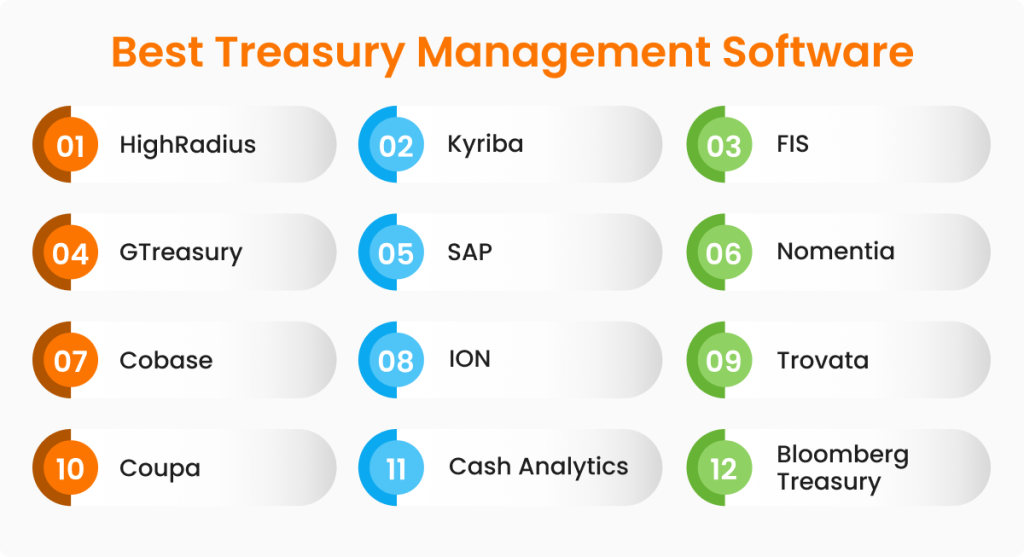
Unlike a wire transfer that might cost a flat fee, blockchain transactions scale with network congestion. During high-traffic periods, moving stablecoins or tokenized real-world assets can become prohibitively expensive. You must also budget for the software layer: multi-signature wallet providers, audit subscriptions, and treasury management platforms. These are recurring operational expenses that eat into yield.
When "cheap" stops being cheap
The cheapest entry point is often a self-custody solution using open-source tools. However, this shifts the burden of security entirely to your team. If a private key is compromised, there is no chargeback. In contrast, institutional-grade custodians charge higher fees but provide insurance and compliance frameworks. For small treasuries, the overhead of professional custody may outweigh the benefits. For larger sums, the risk of self-custody error or hack makes the higher fee a necessary insurance premium.
Balancing yield against operational drag
Your net yield is gross yield minus ownership costs. A 5% stablecoin yield can vanish if gas fees and software subscriptions cost 2% annually. Always model the total cost of ownership (TCO) before deploying capital. Compare the all-in cost of self-custody versus institutional custody against the expected yield spread. If the operational drag exceeds the alpha, the strategy fails.
As an Amazon Associate, we may earn from qualifying purchases.
On-chain treasury management 2026: what to check next
Treasury teams are moving from reactive cash management to proactive, programmable liquidity. This shift allows organizations to deploy idle capital into yield-bearing stablecoins and real-world assets with greater transparency, but it requires new operational guardrails.
Is on-chain treasury management safe for corporate funds?
Safety depends on custody and smart contract risk. Institutional treasuries typically use multi-signature wallets and audited protocols rather than personal wallets. The key is diversifying across issuers and chains to mitigate single-point failures, as highlighted in recent 2026 best practices for stablecoin treasury management.
How do stablecoins compare to traditional money market funds?
Stablecoins offer 24/7 settlement and programmable yield, whereas traditional funds settle T+1 or T+2. However, stablecoins carry issuer risk and regulatory uncertainty. Money market funds provide FDIC-insured or SIPC-covered stability but lack the liquidity speed of blockchain rails. The choice depends on whether speed or principal protection is the priority.
What are the main risks of holding stablecoins in a treasury?
The primary risks are de-pegging events, smart contract exploits, and regulatory changes. Treasuries must monitor the reserve quality of stablecoin issuers and avoid over-concentration in any single asset. "Stablecoin sandwiches" and liquidity gaps can occur during market stress, so maintaining a buffer in traditional cash accounts is essential.
How do I integrate on-chain assets with existing ERP systems?
Integration requires middleware that bridges blockchain data with traditional accounting standards. Many firms now use specialized treasury management systems (TMS) that support on-chain reporting. This allows for real-time reconciliation of digital assets alongside fiat accounts, ensuring compliance with auditing requirements.
No comments yet. Be the first to share your thoughts!