

In the high-volatility landscape of decentralized finance, stablecoin vaults have emerged as a quantitative breakthrough for DAOs and on-chain treasury managers seeking both capital preservation and sustainable yield. As of November 9,2025, major stablecoins like USDT ($1.00), USDC ($1.00), and DAI ($0.9998) remain tightly pegged to the dollar, underscoring their foundational role in risk-managed DeFi strategies.
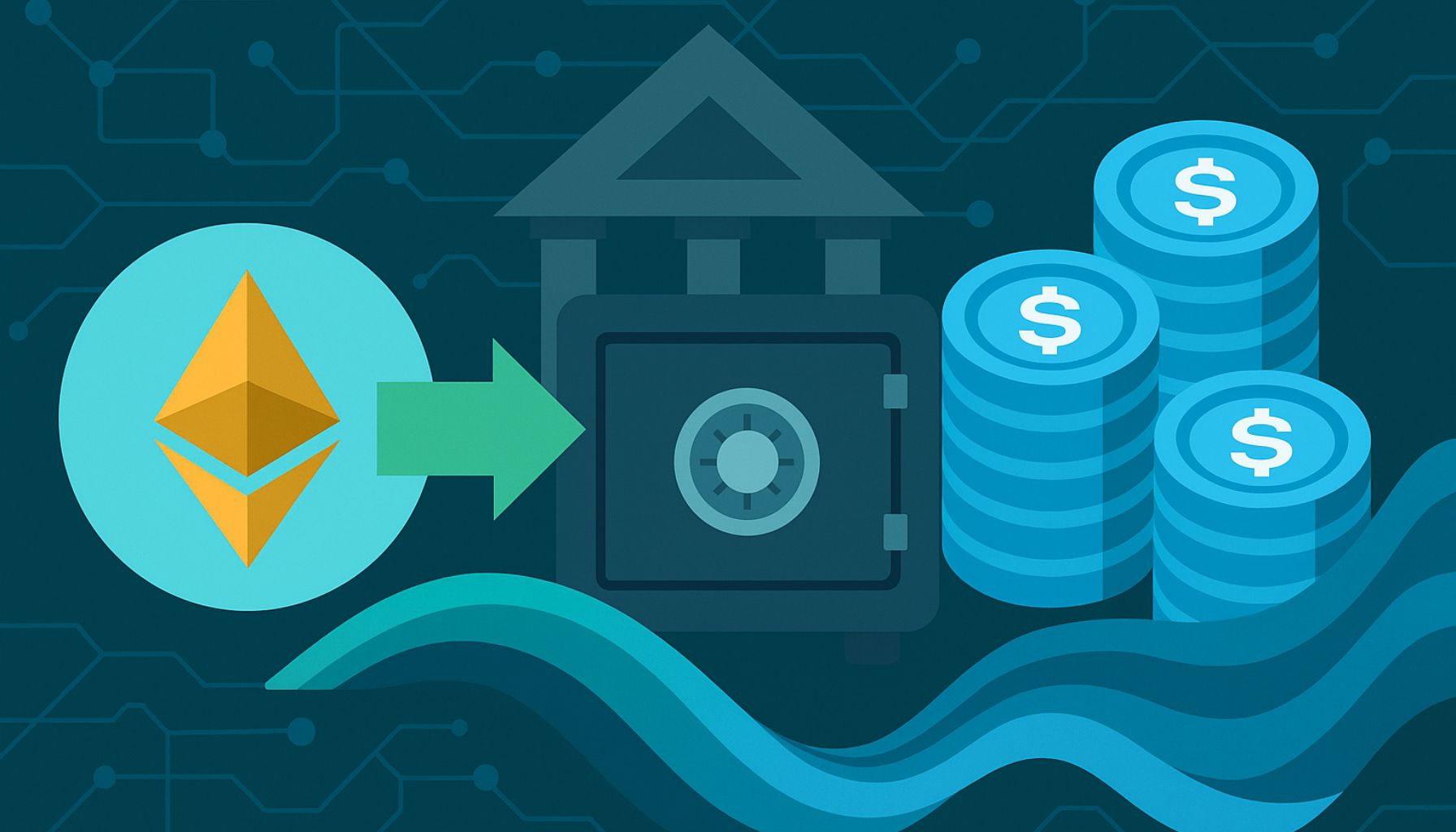
The core value proposition of stablecoin vaults is straightforward yet powerful: they enable organizations to earn yield on idle assets while minimizing exposure to market drawdowns. This dual mandate, stability plus yield, is what makes them indispensable for modern DAO treasury operations.
Mechanics: How Stablecoin Vaults Deliver Stability and Yield
Stablecoin vaults are not mere storage solutions; they are actively managed smart contracts engineered to optimize returns through a variety of strategies. Here’s how they work:
- Liquidity Provision: By supplying stablecoins to decentralized exchanges such as Kamino Finance, vaults facilitate high-volume trading pairs and collect transaction fees in return. This approach leverages market demand for stable trading pairs without exposing the treasury to price swings.
- Automated Yield Optimization: Protocols like Yearn Finance and Beefy Finance automate the allocation of deposited stablecoins across multiple lending platforms, Aave, Compound, Curve, seeking the highest risk-adjusted yields at any given moment. This reduces manual oversight while maximizing capital efficiency.
- Real-World Asset (RWA) Backing: Some advanced vaults integrate tokenized real-world assets (think U. S. Treasury Bills via Ondo Finance or MakerDAO’s Spark Protocol), offering institutional-grade yields with on-chain transparency, a significant leap for DAOs targeting predictable returns with verifiable backing.
This multi-pronged approach enables DAOs to pursue robust returns without sacrificing portfolio stability, a paradigm shift from earlier DeFi cycles dominated by speculative volatility.
The Quantitative Edge: Why Stablecoin Vaults Matter Now
The current market data demonstrates that leading stablecoins remain reliably pegged even amidst broader crypto turbulence (USDT: $1.00, USDC: $1.00, DAI: $0.9998). This reliability is critical; it allows treasuries to deploy risk-managed strategies that are insulated from sudden price shocks affecting non-pegged assets.
Explore how DAOs use stablecoin vaults for sustainable on-chain treasury yield
This stability also unlocks creative possibilities in DeFi treasury management, from delta-neutral yield farming to automated rebalancing based on real-time protocol analytics. The key is quantitative rigor: evaluating risk-adjusted returns rather than chasing headline APYs that often mask hidden exposures.
Navigating Risks: Smart Contracts, Peg Stability, and Liquidity Dynamics
No system is without risks, and understanding these is essential for any DAO operator or treasury manager deploying capital into stablecoin vaults:
- Smart Contract Vulnerabilities: All yields are ultimately dependent on code security; exploits or bugs can lead to catastrophic losses if not properly audited.
- Peg Risk: Even top-tier stablecoins can experience temporary depegs due to systemic shocks or liquidity imbalances, underscoring the need for continuous monitoring and diversified exposure.
- Liquidity Risk: Extreme market events may reduce withdrawal liquidity from certain protocols, impacting access to funds when needed most.
Diligent due diligence, audits, protocol track record analysis, and active risk monitoring, remains non-negotiable when allocating significant treasury resources into these instruments. For more details on identifying red flags before chasing high-yield opportunities, see this resource: Red Flags When Chasing High-Yield Stablecoins.
To further strengthen risk management, many DAOs are now layering automated monitoring tools and on-chain analytics dashboards. These solutions provide real-time alerts for deviations from expected yield, liquidity crunches, or early signs of stablecoin depegging. Advanced treasuries are also experimenting with insurance protocols to hedge against smart contract exploits, adding another quantitative buffer to their risk stack.
In practice, the best-performing DAOs treat stablecoin vault allocation as a dynamic process. They regularly rebalance exposure across multiple protocols and asset types, often using multi-signature governance and automated rebalancing scripts. This not only optimizes for yield but also ensures that no single protocol or stablecoin becomes a concentration risk.
Best Practices: Deploying Stablecoin Vaults in DAO Treasury Operations
For DAOs and on-chain organizations seeking to deploy capital into stablecoin vaults, several best practices have emerged:
- Diversification: Allocate across multiple vault providers, stablecoins (such as USDT ($1.00), USDC ($1.00), DAI ($0.9998)), and strategies, including liquidity provision, lending aggregation, and RWA-backed products, to minimize systemic risk.
- Continuous Monitoring: Use automated tools for real-time tracking of APYs, peg status, and protocol health metrics. Rapid response is key if anomalies are detected.
- Governance Automation: Implement transparent processes for rebalancing allocations and approving new vault integrations using on-chain voting or multi-sig workflows.
- Risk-Adjusted Yield Analysis: Prioritize protocols with proven security records and sustainable economics over headline rates. Always account for smart contract audits and insurance options where available.
The competitive edge comes from treating treasury management as an active discipline rather than a passive allocation. Quantitative frameworks, such as Sharpe ratios for risk-adjusted returns or scenario analysis for stress-testing peg stability, are becoming standard among leading DAOs.
If you’re interested in operationalizing these principles within your own organization, this guide offers actionable steps: How On-Chain Stablecoin Vaults Optimize Treasury Yields Without Compromising Security.
The future of DeFi treasury management is being written by those who combine technological innovation with quantitative discipline. As market conditions evolve and regulatory clarity increases around tokenized assets, expect to see even more sophisticated stablecoin vault strategies emerge, including cross-chain deployments and hybrid models blending on-chain yield with off-chain collateralization.
The bottom line: Stablecoin vaults offer a powerful toolkit for DAOs aiming to preserve capital while earning meaningful yield in volatile markets. By leveraging robust on-chain infrastructure and adhering to best practices in diversification and risk management, decentralized organizations can turn volatility into opportunity without sacrificing the core promise of stability.




No comments yet. Be the first to share your thoughts!