


ENS DAO has rapidly set the benchmark for sustainable on-chain treasury management, fusing robust risk frameworks with cutting-edge automation. In a sector where volatility and manual inefficiency can threaten operational continuity, ENS DAO’s approach is both innovative and instructive for other DAOs seeking capital resilience and transparency.

Quantitative Stability: Diversification and Financial Buffering
One of the foundational moves by ENS DAO was its strategic diversification into stablecoins. Rather than exposing the treasury solely to ETH price swings, the DAO initiated a proposal to convert a portion of its holdings into stablecoins. This decision was not arbitrary; it was quantitatively anchored in the need to secure at least 18 months of operational runway.
At the time of writing, Ethereum Name Service (ENS) trades at $12.96, reflecting steady growth in both token value and ecosystem activity. However, relying exclusively on native tokens would expose any DAO to cyclical downturns. By allocating reserves into stablecoins, ENS DAO insulated itself from adverse market shocks while maintaining capital efficiency, a best practice that many decentralized organizations are now emulating.
The ENS Endowment: Professionalized Treasury Management
ENS DAO’s next leap came with the establishment of its endowment fund. In November 2022, Karpatkey DAO was appointed as endowment manager, tasked with deploying low-risk, medium-complexity DeFi strategies. The endowment’s mandate is clear: generate sustainable returns without jeopardizing principal or mission-critical liquidity.
This partnership enabled ENS DAO to capitalize on opportunities such as providing liquidity to automated market makers and participating in yield-generating protocols, while remaining within stringent risk parameters. The result is a treasury that not only preserves value but also compounds it over time through disciplined exposure to DeFi primitives.
Automated Payments: Streamlining Operational Efficiency
The integration of Loop Crypto’s automated payment system marked a significant inflection point in ENS DAO’s operational workflows. Manual payments, often slow, error-prone, and opaque, were replaced by programmable smart contracts that execute recurring transactions with precision and transparency.
This automation extends beyond simple payroll; programmable stablecoins now facilitate complex disbursements for grants, contributor rewards, and service contracts. By encoding payment logic directly onto the blockchain, ENS DAO minimizes human error while creating an auditable trail for every transaction, a crucial step toward scalable decentralized governance.
Key Takeaways for Decentralized Treasury Best Practices
- Diversification into stablecoins provides predictable cash flow management even during market turbulence.
- Professionalized endowment management enables sustainable yield generation without excessive risk-taking.
- Automated payments via smart contracts reduce manual overhead and enhance transparency across all treasury operations.
The sum effect is a capital structure that is both resilient and agile, a model that other DAOs would do well to study closely as they refine their own on-chain treasury management strategies. For deeper insights into how ENS DAO balances decentralization with robust financial controls, see our related analysis here.
With these pillars in place, ENS DAO’s treasury now operates with a level of sophistication typically reserved for the most advanced traditional finance institutions. Yet, it remains fully on-chain and governed by token holders, demonstrating that decentralization and professionalism are not mutually exclusive.
Programmable Stablecoins: Unlocking Automation at Scale
The adoption of programmable stablecoins has proven transformational for ENS DAO. These on-chain assets allow payment logic to be hard-coded into smart contracts, automating everything from recurring payroll to milestone-based grant disbursements. Such automation is not just about efficiency; it is about enforcing transparency and auditability at every step.
For example, contributor rewards can be distributed automatically based on predefined schedules or performance metrics. Grant programs can release funds only when specific conditions are met, all without manual intervention. This approach drastically lowers operational risk while ensuring that treasury outflows are always aligned with the DAO’s governance mandates.
Risk Management: Balancing Automation With Oversight
Sophisticated automation does not mean abandoning oversight. ENS DAO’s treasury management framework incorporates robust monitoring systems and regular reporting cycles. Human governance remains central – automated processes are routinely audited and parameters adjusted through open community proposals.
This balance of code-driven execution and community-driven oversight is essential for sustainable DAO capital utilization. It ensures that automation enhances, rather than replaces, collective decision-making – a nuance often lost in less mature decentralized organizations.
Quantitative Outcomes: ENS DAO’s Current Position
As of November 2025, with ENS trading at $12.96, the DAO maintains a favorable market position backed by diversified reserves and an endowment designed for longevity. Annual expenses remain covered well into the future thanks to prudent cash flow planning and stablecoin buffers. The transparency of on-chain operations continues to attract both contributors and institutional partners seeking reliable decentralized infrastructure.
ENS DAO’s Automated Treasury Tech Stack
-
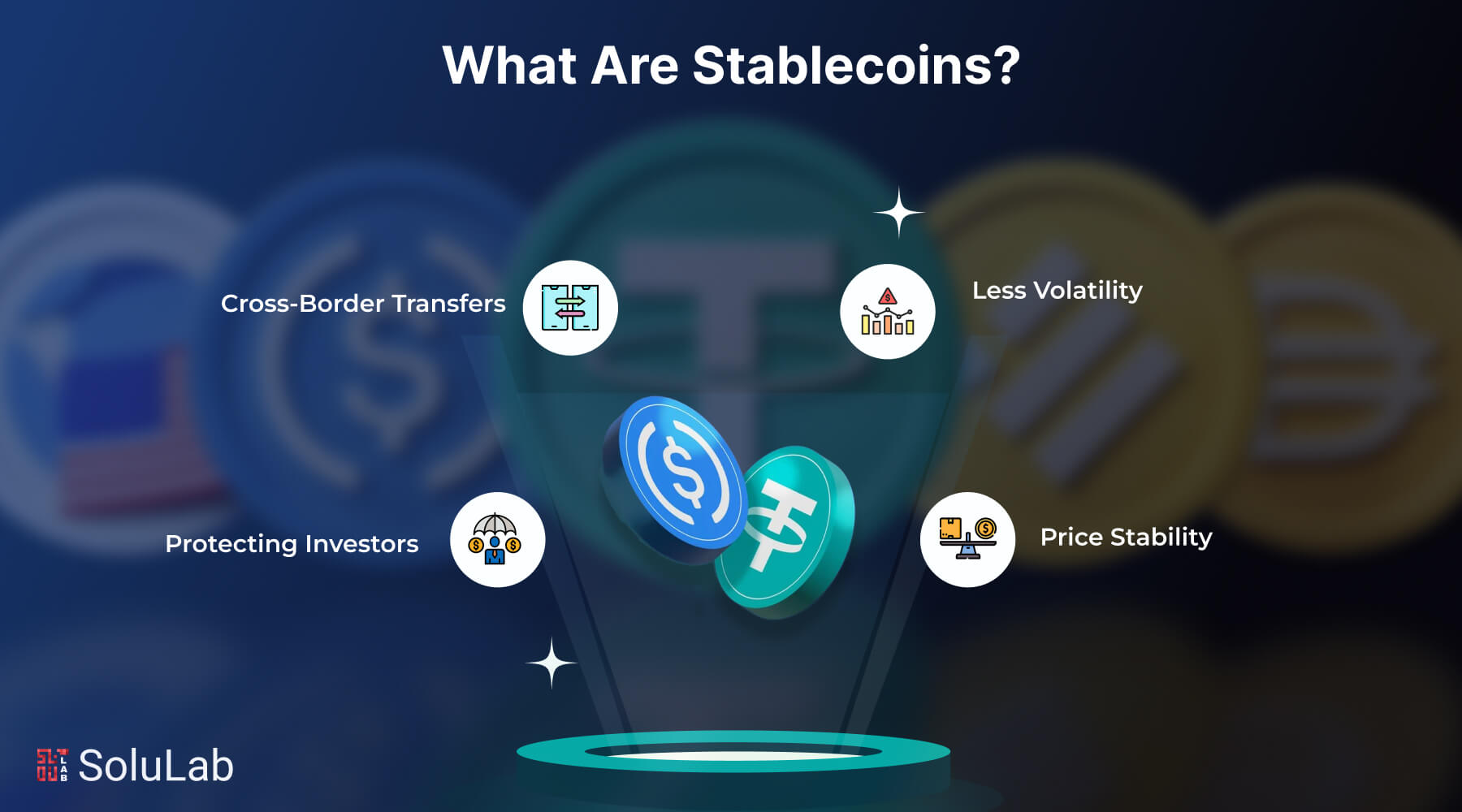
Diversification into Stablecoins: ENS DAO strategically converted a portion of its treasury from ETH to stablecoins to mitigate volatility and ensure at least 18 months of operational runway. This move supports financial stability amid fluctuating crypto markets.
-

ENS Endowment Managed by Karpatkey DAO: In November 2022, ENS DAO partnered with Karpatkey DAO to manage its endowment fund. The endowment uses low-risk DeFi strategies, such as liquidity provision, to generate sustainable returns for ongoing development.
-
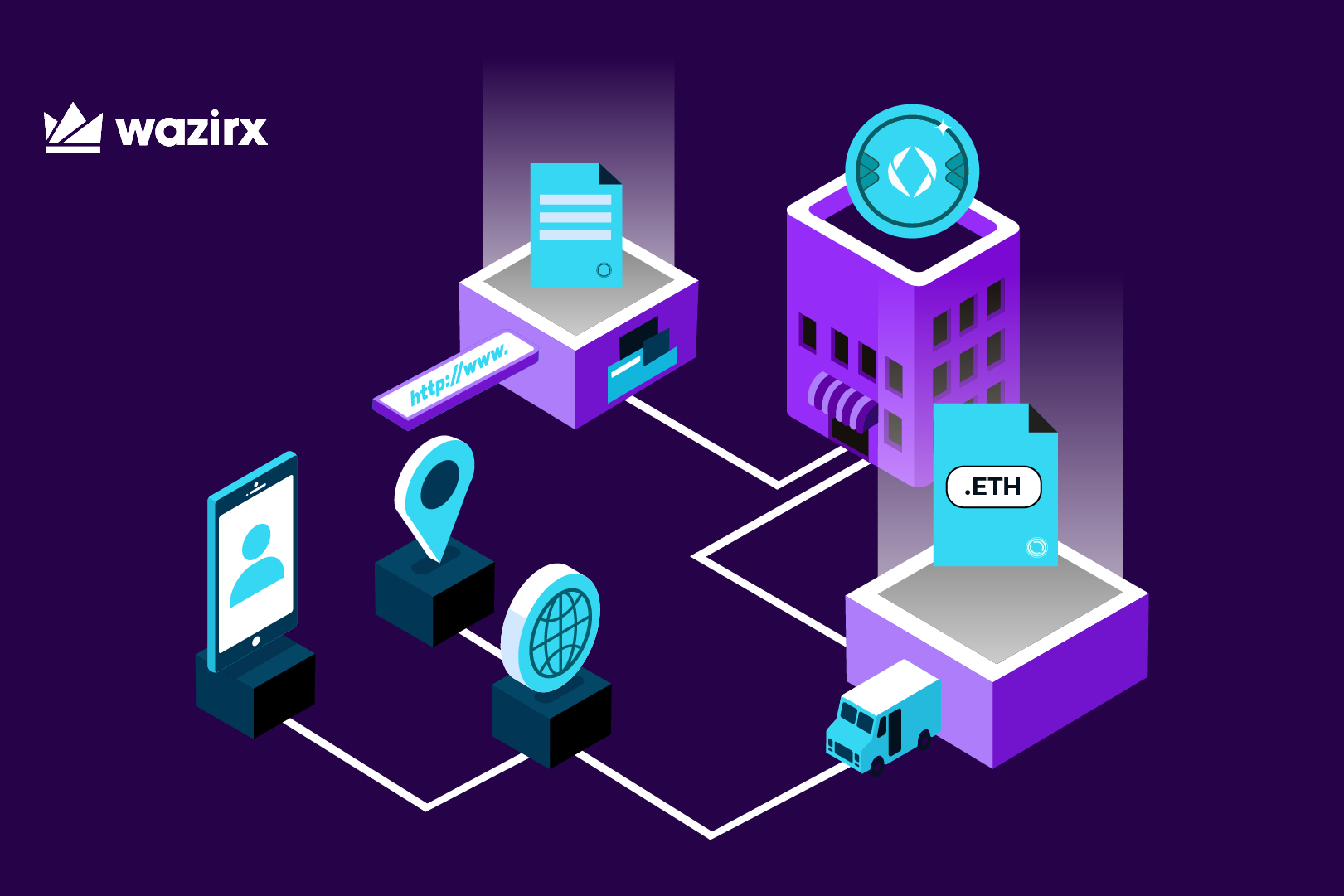
Automated Payments with Loop Crypto: ENS DAO integrated Loop Crypto to automate payment workflows, including scheduled contributor rewards and operational disbursements, reducing manual overhead and improving efficiency.
-
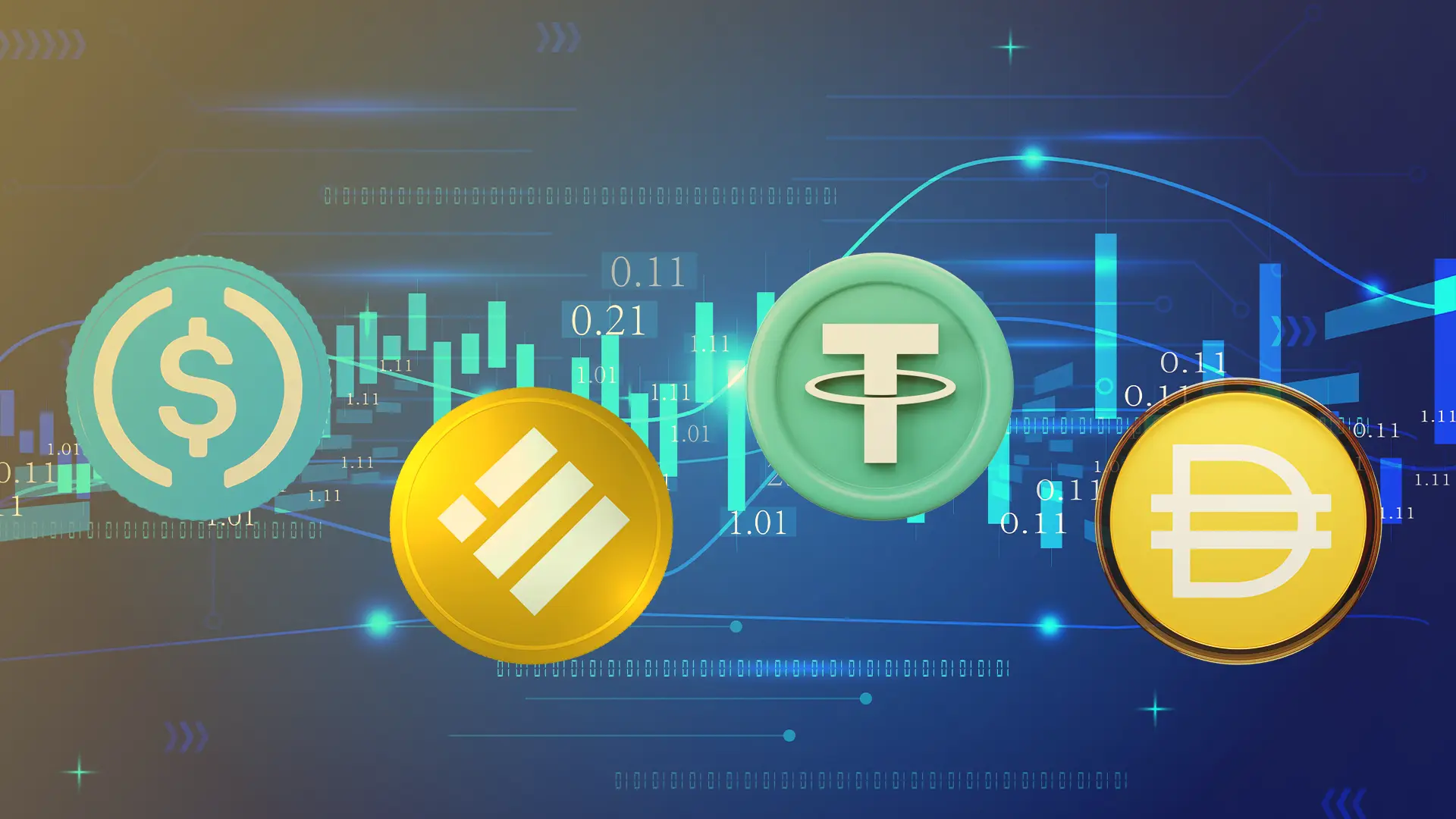
Programmable Stablecoins for Treasury Operations: By leveraging programmable stablecoins, ENS DAO automates complex treasury tasks like payroll and grants, encoding payment logic directly into smart contracts for transparent, auditable transactions.
Lessons for DAOs: Replicating ENS DAO’s Success
The ENS DAO case study offers actionable lessons for DAOs aiming to optimize capital efficiency while minimizing risk:
- Automate routine payments using programmable stablecoins to eliminate manual errors and reduce administrative burden.
- Diversify holdings strategically to ensure operational continuity during market downturns.
- Engage professional asset managers for endowment funds to compound returns within clearly defined risk parameters.
- Maintain transparency through real-time reporting dashboards and open governance processes.
- Aim for continuous improvement: Regularly review automation logic and treasury allocations as DeFi infrastructure evolves.
The intersection of automation, diversification, and robust oversight positions ENS DAO as a template for sustainable on-chain treasury management in the next evolution of decentralized governance. As more DAOs embrace these best practices, expect greater capital resilience sector-wide – with fewer manual bottlenecks and stronger alignment between mission objectives and financial strategy.
About the Author