

Decentralized Autonomous Organizations promise community-driven governance, yet many suffer from DAO treasury paralysis, where decisions languish amid endless debates and manual execution hurdles. Recent events underscore this crisis: Tally, a cornerstone governance platform, is winding down as its CEO declares the market ‘not ready, ‘ while Balancer Labs shuts its doors, leaving its protocol to DAO stewardship alone. Transparency logs riddled with 18-month gaps further erode trust, stalling automated DAO treasury rebalancing. Enter 0G Labs and Dango, innovative forces tackling these pain points through verifiable AI and precise automation, restoring fluidity to on-chain treasury management.


These platforms arrive at a pivotal moment. DAOs grapple with idle capital, risk-averse token holders, and execution delays that bleed opportunity. Governance debates often pit diversification against dilution fears, as noted in discussions around treasury strategies. Meanwhile, AI’s potential in treasury operations stalls on security and compliance fears, per recent surveys. 0G Labs counters this by enabling verifiable, decentralized AI compute, preserving not just transactions but the reasoning behind them, much like Permaweb DAO’s institutional memory efforts.
Unraveling the Core Causes of Treasury Stagnation
At the heart of DAO treasury paralysis lies a mismatch between ambition and execution. Voting cycles stretch weeks, if not months, as participants juggle off-chain discussions and on-chain proposals. Manual treasury actions invite errors and delays; a simple rebalance might wait for quorum amid vacationing voters. Transparency suffers too: blockchains etch outcomes eternally, yet the ‘thinking’ – proposals, debates, context – evaporates, complicating audits and future governance.
Key Symptoms of DAO Treasury Paralysis
-
Prolonged Voting Delays: Tally’s shutdown after 5+ years shows DAOs struggling with slow governance processes.
-
Manual Rebalancing Risks: Balancer Labs closure underscores dangers of human-error prone treasury adjustments.
-
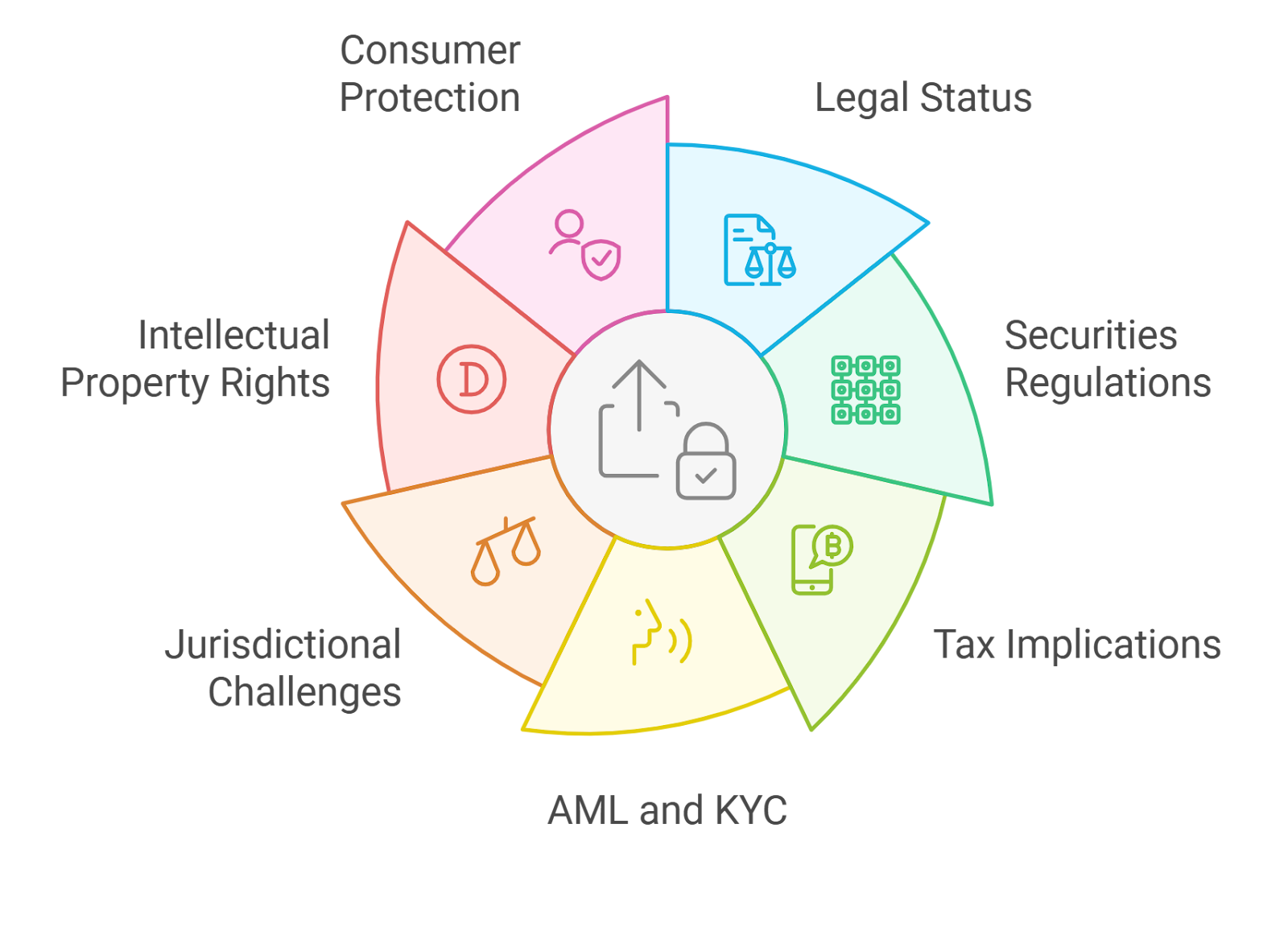
Fragmented Decision Logs: Decentraland’s 18-month ledger gap reveals lost governance reasoning and context.
-

Compliance Hurdles for AI Tools: Surveys cite security and compliance as top blockers to AI treasury adoption.
-
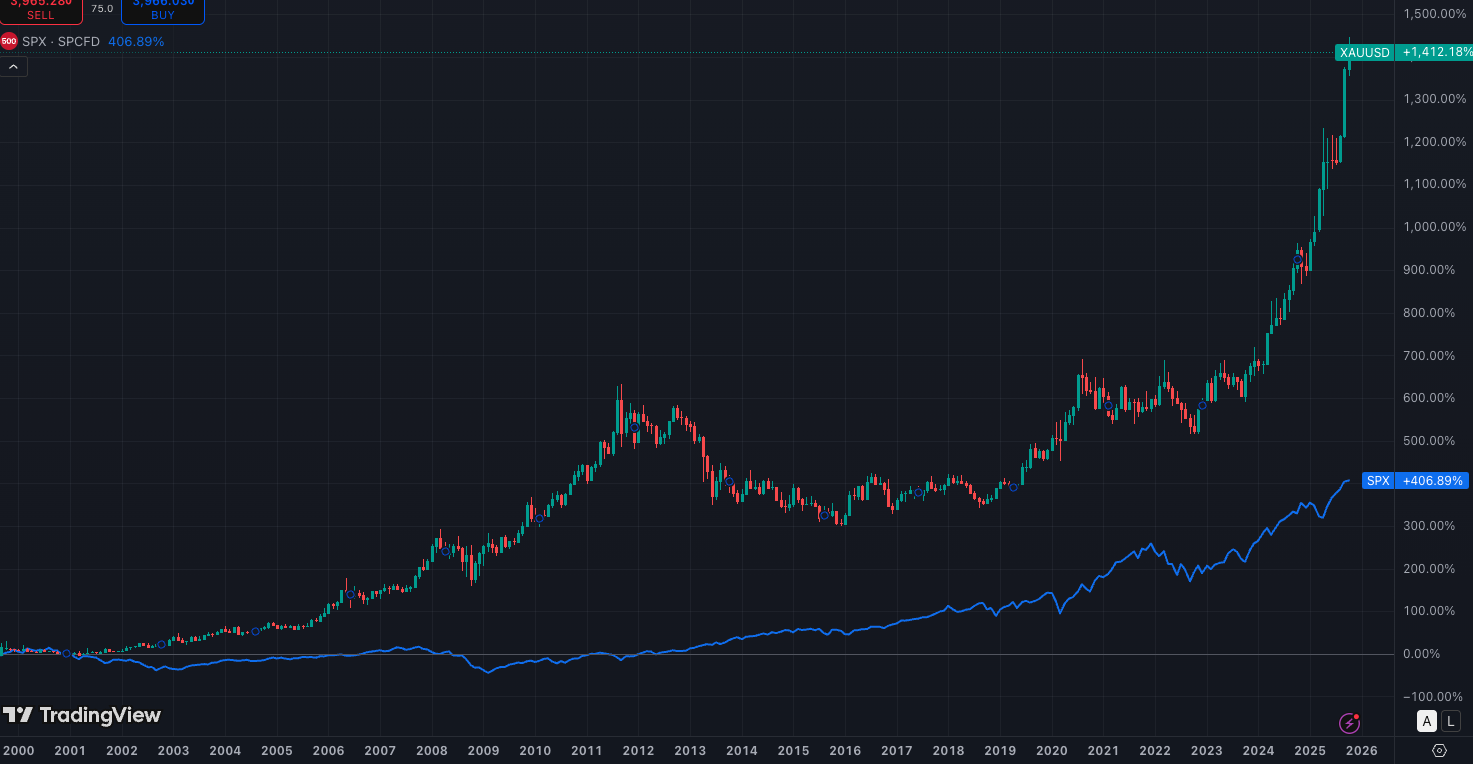
Idle Capital Erosion: Delays in execution lead to opportunity costs and value decay in DAO treasuries.
This inertia isn’t abstract. Decentraland’s call to ‘fix the ledger first’ highlights how broken records undermine automated governance. Tally’s demise signals broader fatigue; with SEC pressures easing, some pivot to centralized models for speed. Yet DAOs endure where protocols like Balancer persist under community rule, proving the model’s viability if paralysis lifts.
0G Labs: Verifiable AI as the Antidote to Decision Drift
0G Labs redefines DAO intelligence with decentralized, verifiable AI computation. Unlike opaque models, its infrastructure ensures AI outputs – from risk assessments to rebalancing signals – are provably correct and tamper-proof. This addresses top AI adoption blockers: security and compliance. By tokenizing reputation on 0G, as explored in DAO AI frameworks, participants earn credentials for insightful contributions, evolving governance beyond raw token weight.
Imagine a treasury AI scanning market shifts, proposing diversified vaults, and executing only when conditions align – all verified on-chain. 0G bridges blockchains’ outcome focus with preserved reasoning, enabling DeFi protocol treasury automation. Paired with Permaweb-like permanence, it creates evolving institutional memory, where past debates inform future votes without data loss.
Dango’s Precision Rebalancing: Automating the Heavy Lifting
Dango complements 0G’s brains with brawn, delivering automated rebalancing tailored for DAO treasuries. Drawing from KeeperHub’s playbook, it deploys automated keepers – vigilant bots monitoring multi-sig thresholds, governance alerts, and on-chain triggers. No more human committees fumbling keys; predefined logic embedded in smart contracts enforces risk parameters, from stablecoin allocations to yield optimizations.
This shift to programmability slashes governance bottleneck solutions. External agents execute precisely when volatility spikes or yields dip, maintaining capital efficiency. For instance, if USDC drifts below 50% of treasury, Dango rebalances autonomously, sidestepping quorum quests. Such tools mirror rising trends: tokenized vaults and idle capital automation, as detailed in strategies for sustainable yield.
Integration potential shines brightest. 0G’s AI generates strategies – say, hedging against ETH downturns – while Dango implements them flawlessly. This duo dismantles paralysis, blending intelligence with execution for resilient on-chain treasury management. Early adopters report reduced idle funds and faster responses, proving automation’s edge in a volatile DeFi landscape.
Practical deployment begins with assessing your DAO’s current setup. Many treasuries sit heavy in stablecoins or single assets, vulnerable to inflation or missed yields. 0G Labs and Dango integration starts simple: connect AI-driven analytics to keeper networks for hands-off operations. This pairing not only executes but anticipates, using verifiable compute to model scenarios like yield curve shifts or black swan events.
Deploy 0G Labs & Dango: Automate DAO Treasury Rebalancing
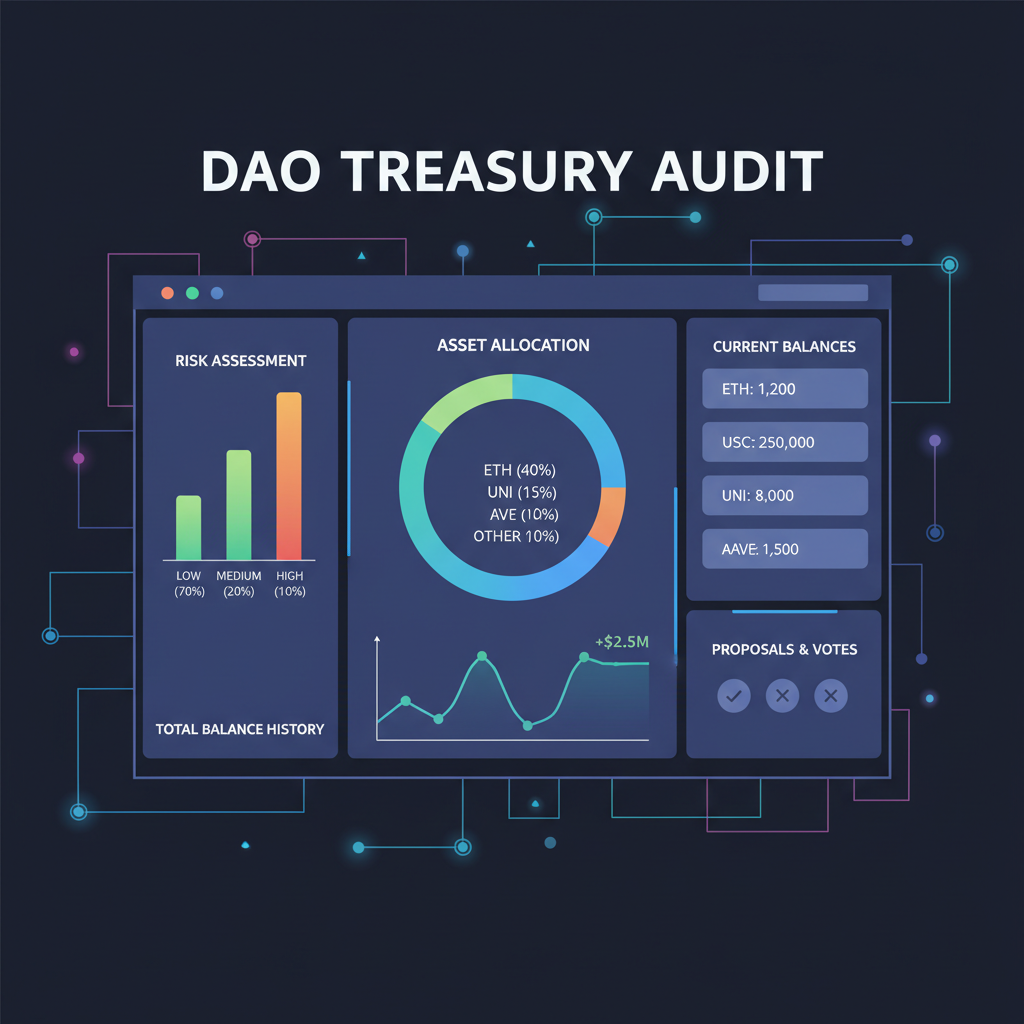
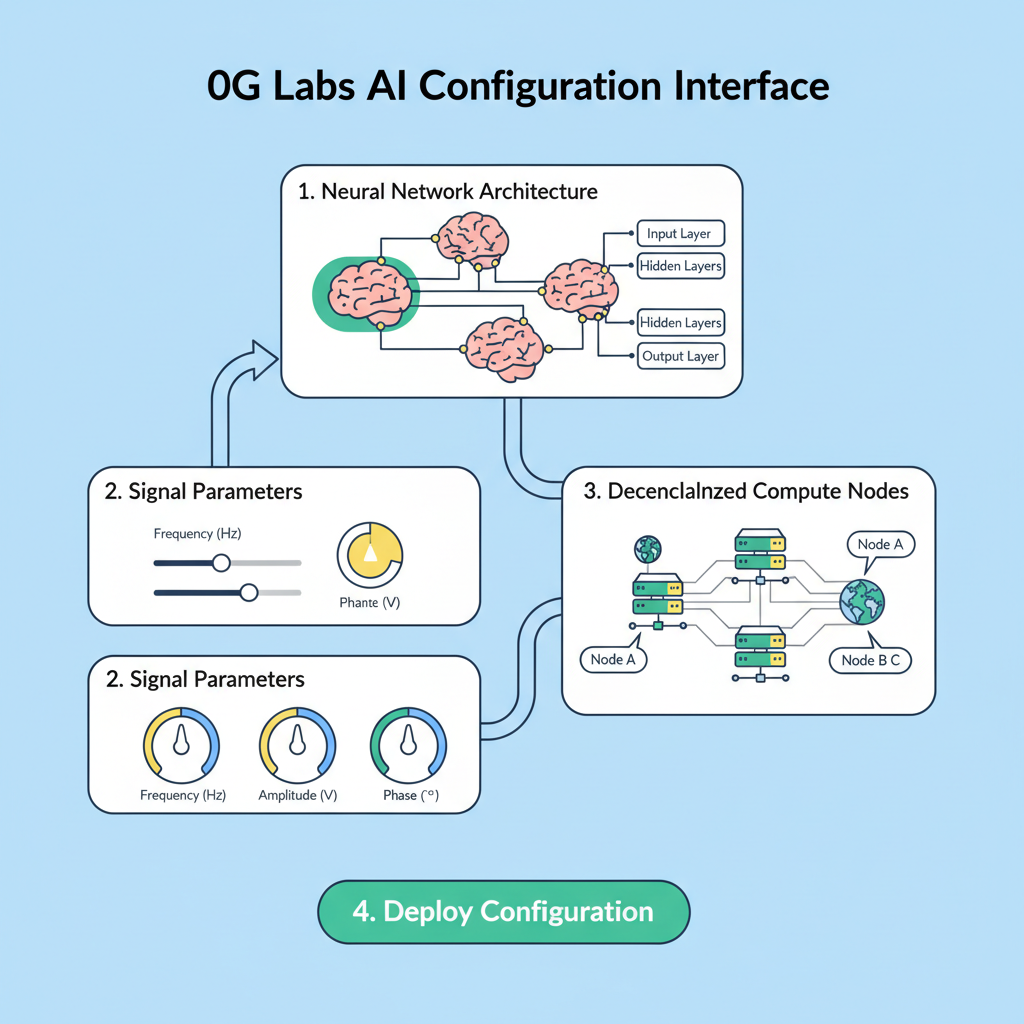
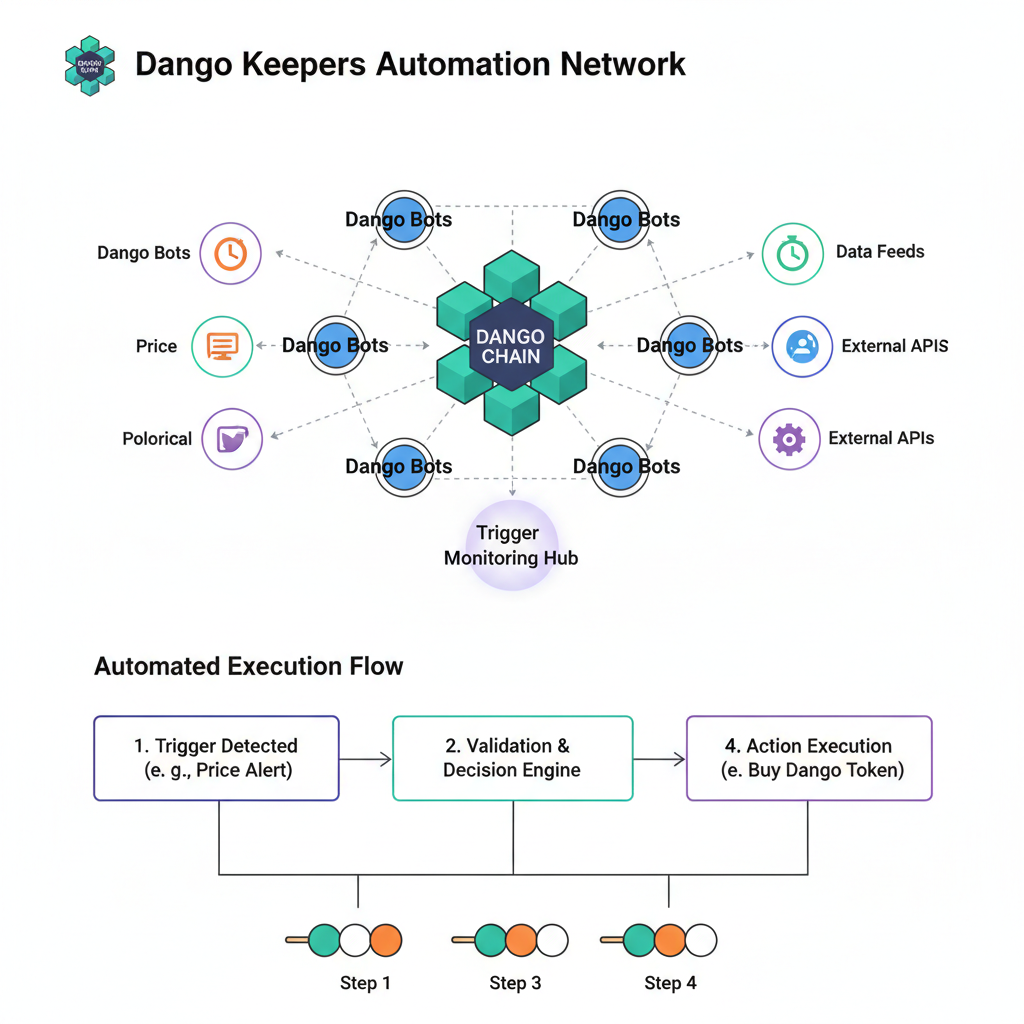
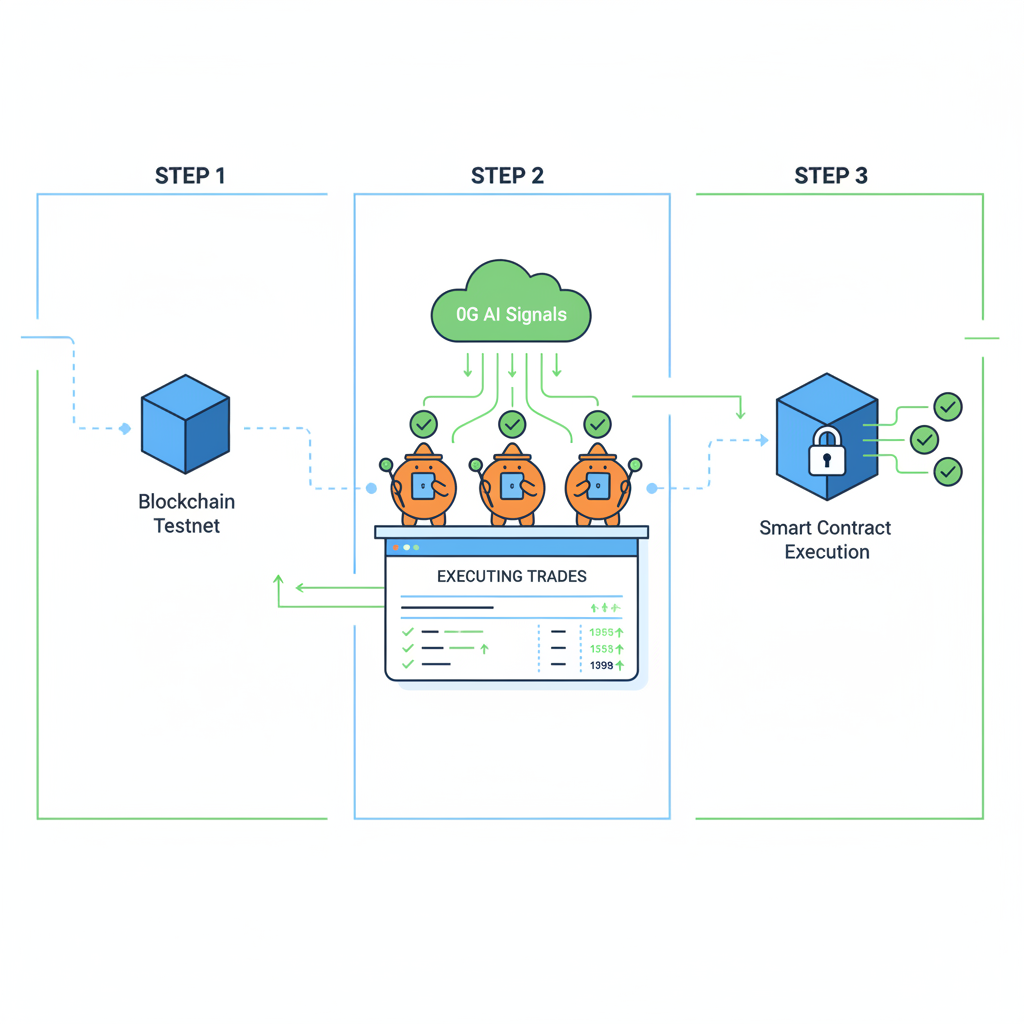
Consider a mid-sized DAO with $10M in USDC and ETH. Manual rebalancing might lag during a 20% ETH dip, locking value. Dango’s keepers detect the drift, 0G’s AI confirms via on-chain oracles, and execution follows – all within blocks, not weeks. Programmable safeguards cap exposures at 30% per asset, enforcing discipline without endless votes. This mirrors automation of idle capital through tokenized vaults, turning stagnation into steady compounding.
Overcoming Security and Compliance Hurdles
Skeptics cite AI’s black-box risks, yet 0G Labs flips the script with verifiable AI. Every computation traces back to decentralized nodes, auditable like transactions. Compliance aligns too: outputs feed into transparent logs, closing those 18-month gaps plaguing DAOs. Dango layers multisig monitoring and alert systems, akin to KeeperHub’s enterprise tools, ensuring no rogue moves. Surveys flag these as top blockers, but such infrastructure neutralizes them, paving DeFi protocol treasury automation.
Blockchains record outcomes, but rarely preserve the thinking. 0G Labs builds verifiable AI compute to change that.
Tokenizing reputation adds nuance. Contributors with proven calls build on-chain cred, weighting votes smarter than pure tokenomics. This evolves governance bottleneck solutions, rewarding foresight over fortune.

Measurable Gains and Risk Mitigation
Adopters see treasury yields climb 2-5% annually from constant optimization, per early benchmarks. Idle capital drops below 5%, as automation hunts opportunities 24/7. Risk metrics improve: Value-at-Risk halves with dynamic hedges, volatility exposure tamed. Beyond numbers, governance bandwidth frees for vision – proposals focus on growth, not grunt work.
Critics decry centralization risks in keepers, but decentralized bot networks and on-chain verification diffuse this. Balancer’s DAO-only pivot proves resilience; pair it with these tools, and protocols thrive sans labs. Tally’s exit warns of unreadiness, yet 0G and Dango signal maturity.
Forward momentum builds. As stablecoin vaults and tokenized treasuries standardize, per optimization guides, DAOs wielding this stack outpace rivals. Treasury paralysis yields to precision, security first driving sustainable growth. Operators ignoring automation risk obsolescence; those embracing it unlock DeFi’s full potential, treasuries pulsing with intelligent capital.
About the Author