
In the volatile world of decentralized finance, DAO treasuries often sit heavy with native tokens, exposing communities to sharp price swings that can derail long-term goals. But a methodical shift is underway: integrating tokenized US treasuries to secure stable on-chain yields. This approach marries the safety of traditional fixed-income assets with blockchain transparency, allowing DAOs to preserve capital while earning predictable returns. As of early 2026, the tokenized US government debt market has ballooned to $8.86 billion, signaling strong institutional and DAO interest in DAO treasury tokenized treasuries.

Unpacking the Vulnerabilities in Conventional DAO Treasury Strategies
Most DAO treasuries remain dominated by their native governance tokens, a practice that’s as common as it is precarious. Picture a treasury bloated with protocol-specific assets; when market sentiment flips, those holdings can plummet 80% overnight, crippling funding for grants, development, or operations. Research highlights this risk: Blockchain Research Lab notes a pressing need to align treasury strategies with core objectives, from risk mitigation to growth. Diversification is the antidote, yet many DAOs still lean on staking ETH after swapping tokens, chasing higher but riskier yields.
Transparency via tools like Aragon’s app is a boon, letting members track funds on-chain effortlessly. Still, without stable anchors, treasuries amplify volatility. CoW DAO emphasizes portfolio diversification to buffer market storms, spreading exposure beyond crypto natives. I’ve seen this firsthand in 18 years of trading: concentration kills. Patient capital allocation demands blending high-conviction bets with unshakeable stabilizers.
Current Tokenized Treasury Leaders
| Product | AUM | APY | Fees |
|---|---|---|---|
| USYC | $1.34B | 4.71% | 10% performance fee |
| BUIDL | $2.4B | 4.5% | up to 0.5% management fee |
This table underscores why on-chain US treasuries DAO strategies are gaining traction; they deliver yields rivaling DeFi protocols without the liquidation roulette.
Tokenized T-Bills: Bridging TradFi Safety to On-Chain Efficiency
Tokenized US Treasury Bills represent the gold standard for tokenized treasuries treasury management. These are digital wrappers around short-term government securities, the safest yield instruments globally, now live on blockchains. Expected to hit $25-30 billion by 2026 per CV5 Capital, they’re spearheading RWA adoption. Benefits stack up: instant liquidity, 24/7 trading, and yields passed directly on-chain.
Take Circle’s USYC: AUM surged from $250 million in July 2025 to $1.34 billion by December, fueled by Binance partnerships. BlackRock’s BUIDL holds at $2.4 billion, leveraging TradFi clout. Yields? USYC at 4.71% APY post-fee, BUIDL at 4.5%. Risks are minimal; tokenized T-bills offer accessibility without custody headaches, though smart contract audits remain essential.
USTB trades steadily at $10.99, exemplifying the price stability DAOs crave for stable yields DAO treasuries. No wild 24-hour swings; just reliable accrual.
Pioneering DAOs Leading the Charge with Tokenized Assets
Forward-thinking DAOs are reallocating aggressively. Arbitrum’s STEP 2.0, via Karpatkey, funnels treasury into stablecoins and RWA vaults for yield generation. MakerDAO deploys hundreds of millions into Treasuries, private credit, and tokenized real estate through Monetalis and BlockTower, backing DAI with income streams. These moves diversify beyond tokens, targeting capital efficiency.
Such strategies align governance with preservation. Token holders vote on allocations, ensuring community buy-in. For DeFi DAO stablecoin vaults, pairing tokenized Treasuries with lending protocols amplifies returns safely. It’s precision engineering: low-duration funds minimize interest rate risk while on-chain composability unlocks further opportunities.

Tokenized US Treasury Bill (TBILL) Price Prediction 2027-2032
Forecast reflecting stable NAV with minor fluctuations due to market cycles, adoption, and yield dynamics in DAO treasuries
| Year | Minimum Price | Average Price | Maximum Price | YoY % Change (Avg) |
|---|---|---|---|---|
| 2027 | $10.95 | $11.02 | $11.15 | +0.27% |
| 2028 | $10.98 | $11.12 | $11.32 | +0.91% |
| 2029 | $11.02 | $11.23 | $11.50 | +0.99% |
| 2030 | $11.08 | $11.35 | $11.68 | +1.07% |
| 2031 | $11.15 | $11.48 | $11.87 | +1.23% |
| 2032 | $11.22 | $11.62 | $12.05 | +1.22% |
Price Prediction Summary
TBILL, as a tokenized US Treasury Bill, is expected to exhibit high price stability near $11 due to its backing by short-duration government securities. Gradual appreciation (1-1.5% YoY average) accounts for potential yield accrual, liquidity premiums in bull markets, and minor discounts in bearish conditions. Overall outlook remains conservative with low volatility, supported by DAO treasury adoption and RWA market expansion.
Key Factors Affecting Tokenized US Treasury Bill Price
- Market growth from $8.86B (early 2026) toward $25-30B target, driving liquidity
- Stable 4-5% APYs amid Fed rate cuts, supporting consistent yields
- Increasing DAO allocations (e.g., Arbitrum STEP, MakerDAO) for diversification
- Regulatory advancements favoring tokenized RWAs and on-chain treasuries
- Tech improvements in DeFi integrations and smart contract security
- Competition from USYC (4.71% APY) and BUIDL (4.5% APY), influencing premiums
- Crypto market cycles: bull runs boosting max prices, bears testing mins
Disclaimer: Cryptocurrency price predictions are speculative and based on current market analysis.
Actual prices may vary significantly due to market volatility, regulatory changes, and other factors.
Always do your own research before making investment decisions.
These examples prove tokenized US treasuries aren’t hype; they’re operational imperatives for enduring DAOs.
To operationalize this shift, DAOs must adopt a structured framework that prioritizes governance alignment and risk controls. Start by auditing current holdings: if native tokens exceed 50%, propose a phased diversification via on-chain voting. Target products like USYC or BUIDL for their proven scale and yields. Deploy through audited vaults that automate yield accrual, ensuring funds remain composable for DeFi opportunities.
Practical Tools and Platforms for Seamless Integration
Platforms like Aragon simplify visibility, displaying treasury status transparently on-chain. For advanced management, integrate with Karpatkey or similar delegates who specialize in RWA allocations. Stablecoin vaults pair naturally with tokenized treasuries; deposit USYC into protocols for layered yields without added volatility. In my experience, precision here separates thriving DAOs from those that fade. Tools from Cube Exchange root practices in smart contracts, empowering token holders to steer long-term goals.
Master DAO Treasury Yields: Tokenized T-Bills Step-by-Step
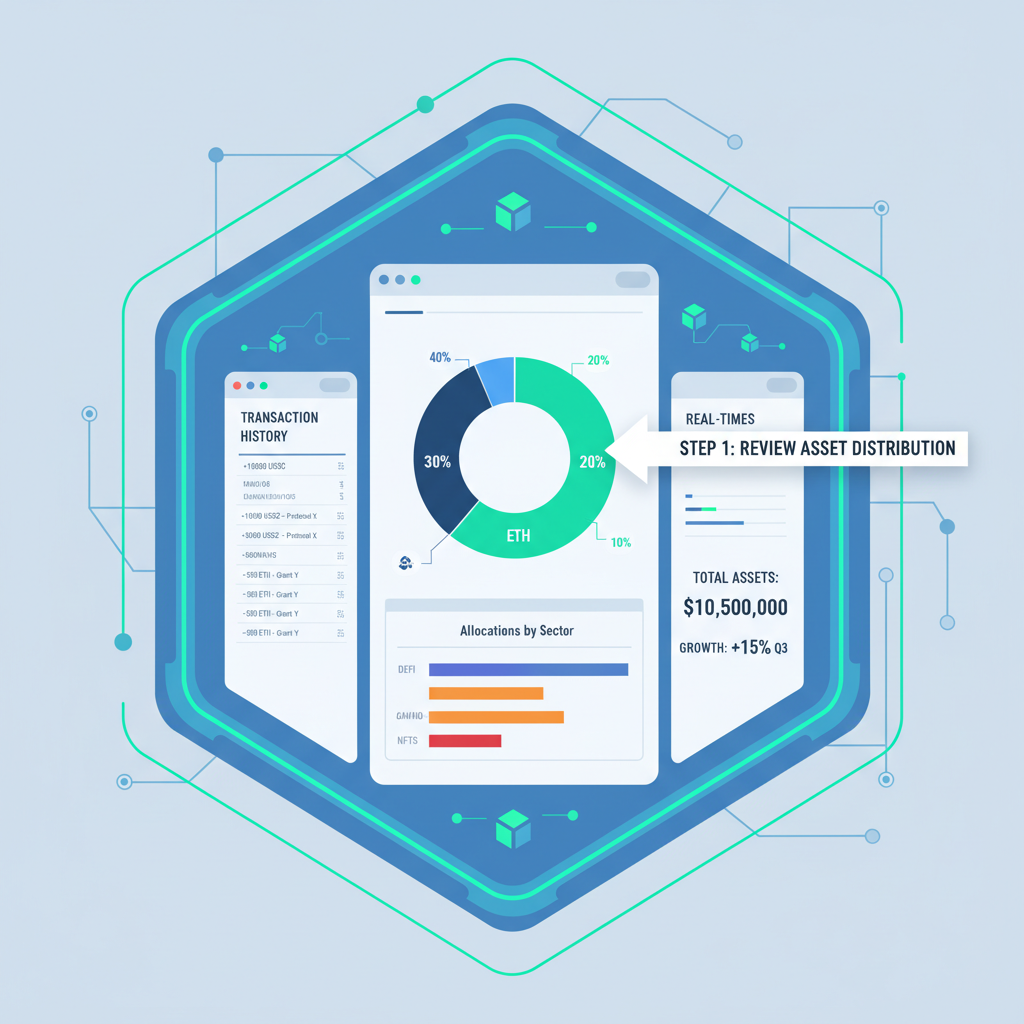
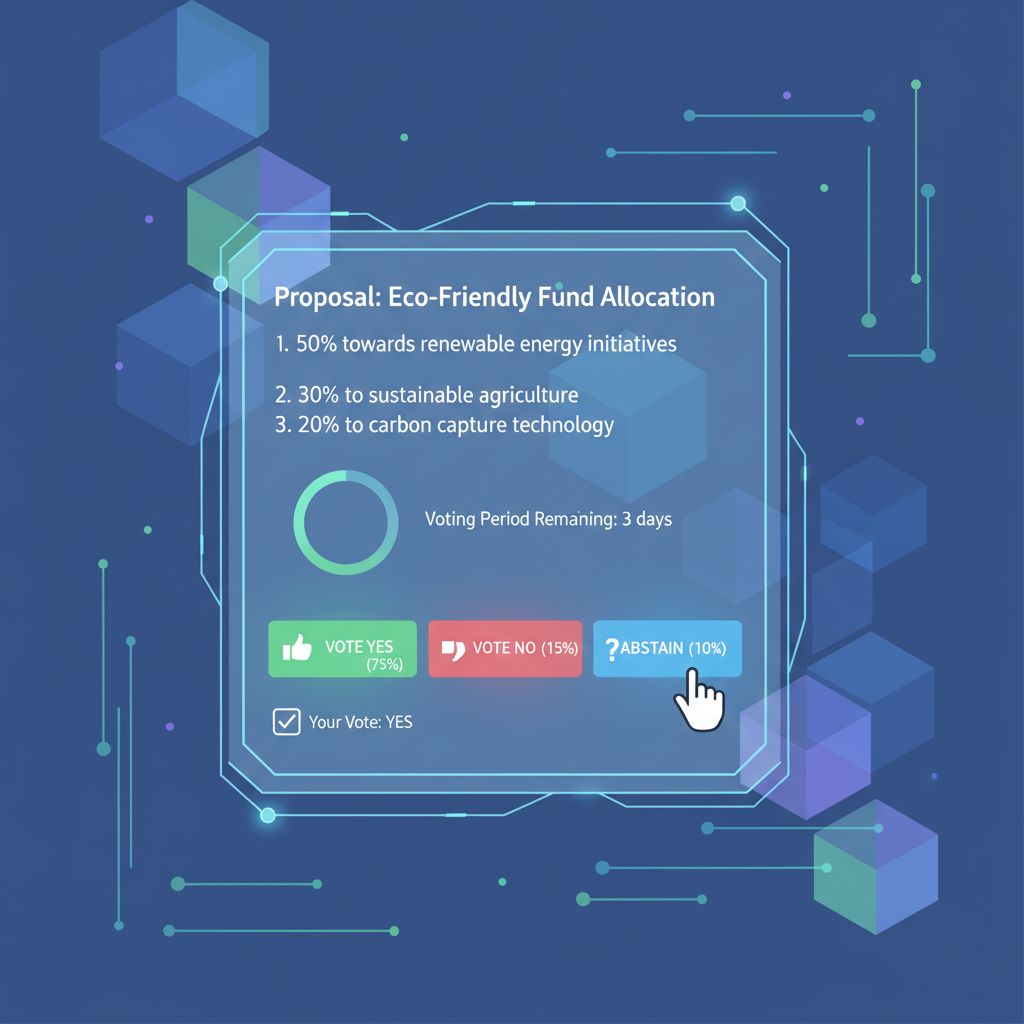
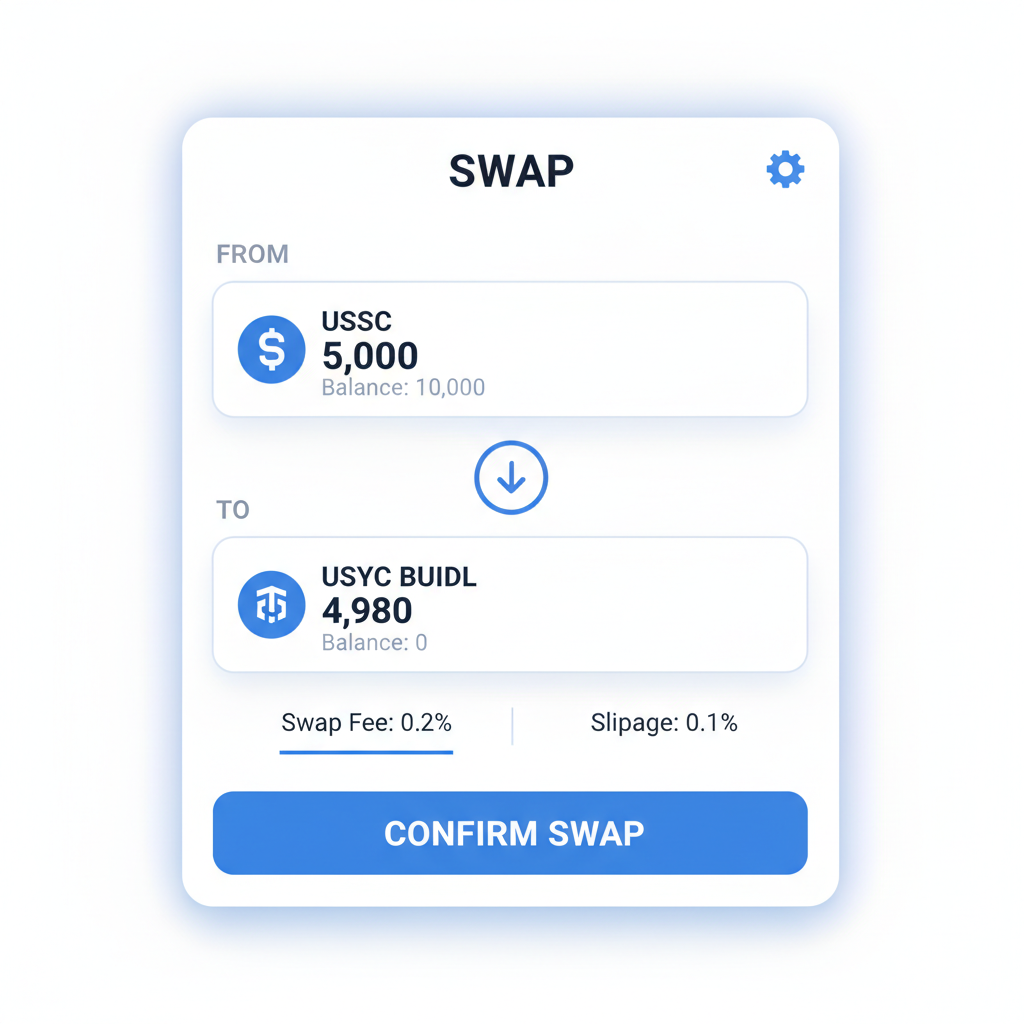
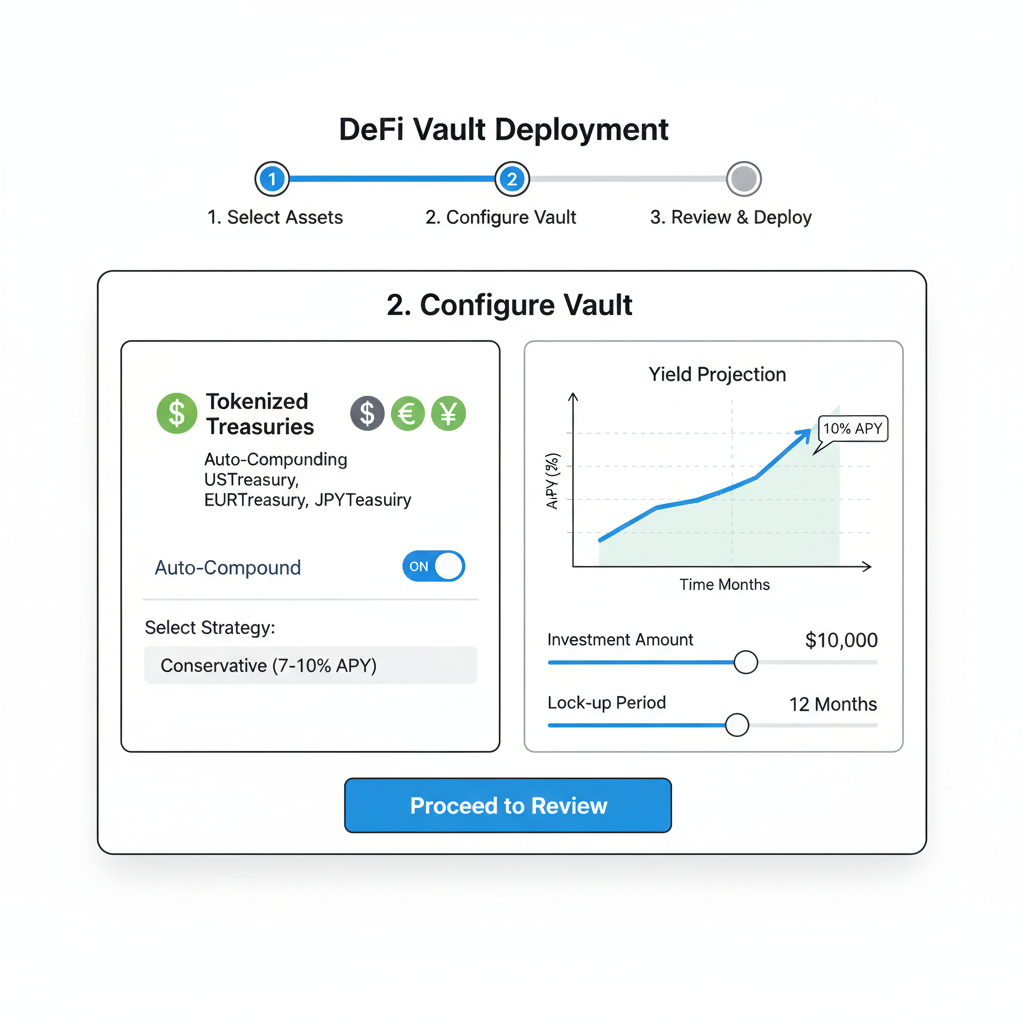
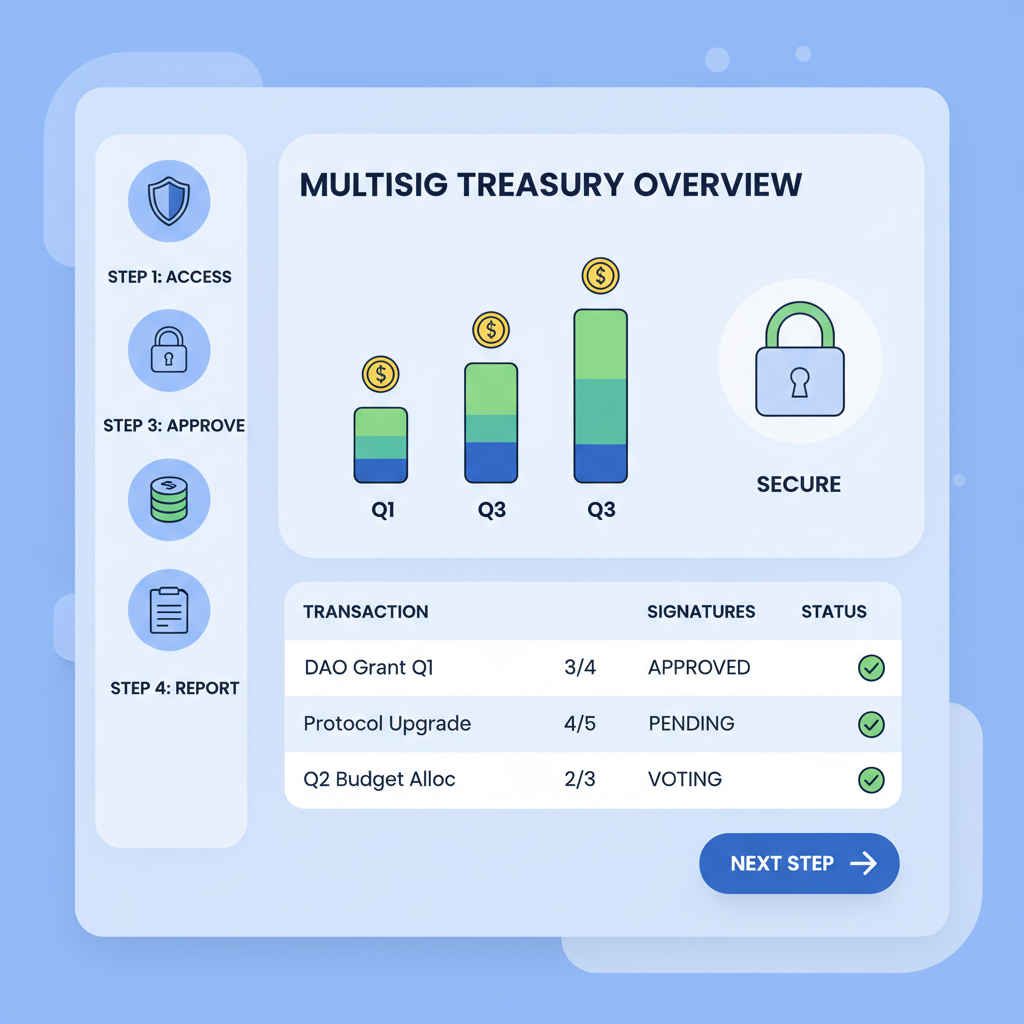
This methodical process minimizes execution risks while maximizing stable yields DAO treasuries. LimeChain warns against native token dominance; I’ve traded through enough cycles to agree, it’s a vulnerability begging exploitation.
Key Risks and Robust Mitigation Strategies
No yield comes risk-free, even from Treasuries. Primary concerns include smart contract exploits, regulatory shifts, and counterparty reliance on issuers like Circle or BlackRock. Tokenized T-bills mitigate much via overcollateralization and audits, but DAOs should enforce multisig approvals and insurance wrappers. RWA. io details yields alongside liquidity benefits, noting minimal duration risk in short-term bills. Diversify issuers to avoid single points of failure; blend USYC’s growth with BUIDL’s stability.
Risks vs Mitigations for DAO Tokenized Treasuries
| Risk | Mitigation |
|---|---|
| Smart Contract Bugs | Third-party audits and bug bounties |
| Regulatory Changes | Jurisdiction-agnostic chains and legal reviews |
| Counterparty Default | Overcollateralization and diversification |
| Interest Rate Fluctuations | Short-duration focus (under 3 months) |
Addressing these head-on builds resilience. DAOs like MakerDAO exemplify this, channeling funds into Treasuries while stress-testing via simulations. Patience pays; rushing exposes cracks.
Regulatory landscapes evolve, but tokenized assets’ on-chain nature offers audit trails superior to TradFi. Pair with oracles for real-time pricing, ensuring yields reflect market rates accurately.
Looking ahead, the tokenized Treasury market’s trajectory points to explosive growth. From $8.86 billion today, projections hit $25-30 billion by year-end, per CV5 Capital. DAOs allocating thoughtfully will capture compounded returns, funding innovation without solvency fears. Arbitrum and MakerDAO set precedents; follow their lead.
Superstate’s USTB, steady at $10.99, embodies this reliability, with zero 24-hour volatility. For on-chain US treasuries DAO operations, it’s a benchmark. Shift from speculative holdings to these anchors, and watch capital preservation unlock true potential. Discipline in allocation today secures tomorrow’s ecosystem.
About the Author