

DAO treasuries hold immense potential for fueling decentralized innovation, yet they frequently stumble over protracted approval cycles that stifle momentum. In a landscape where opportunities in DeFi and on-chain operations demand agility, waiting weeks for multisig signatures or quorum thresholds feels archaic. Enter Superfluid’s latest proposal: a streamlined mechanism to bypass these hurdles, enabling instantaneous on-chain spending through programmable money streams. This isn’t just a technical tweak; it’s a philosophical shift toward treasuries that pulse with the rhythm of community needs.
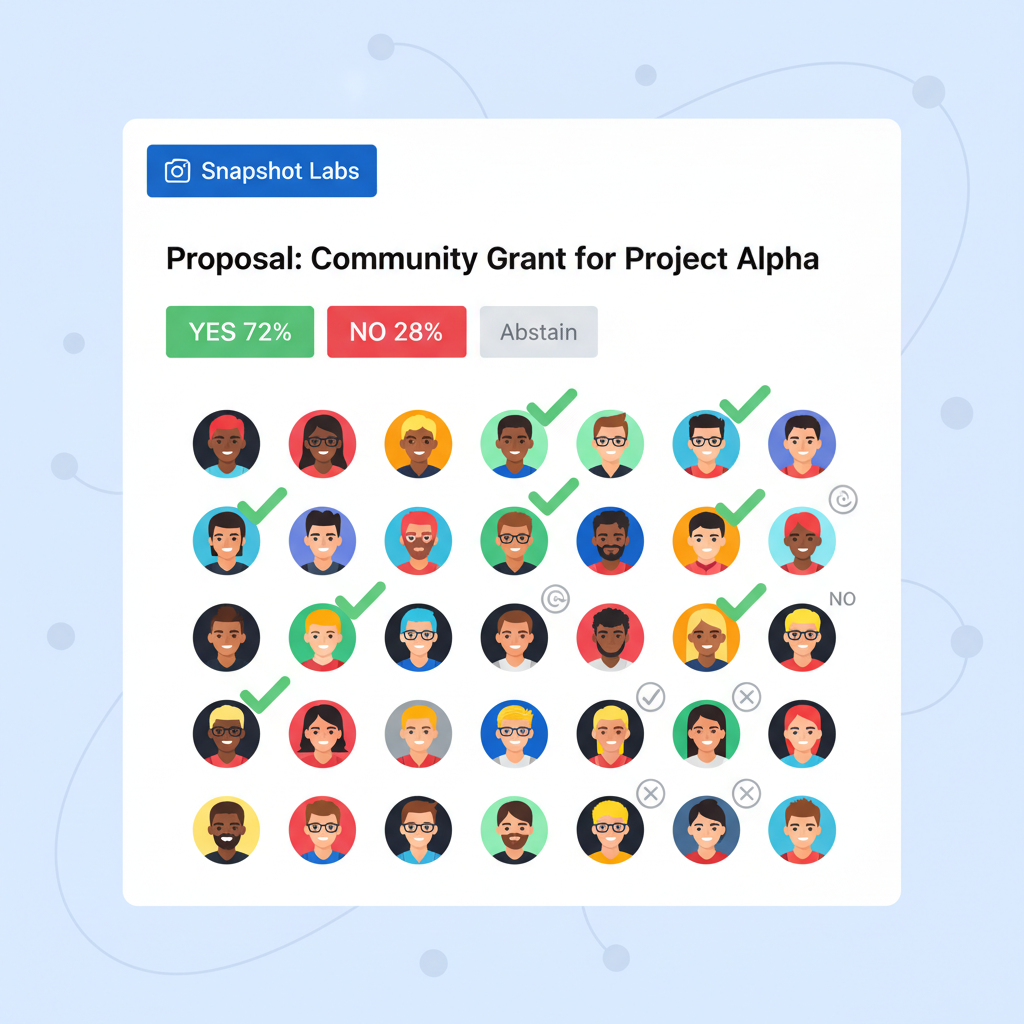
Recent governance snapshots paint a vivid picture of the friction. Tally’s 2025 wrapped report highlights an 8,500 ETH treasury allocation proposal that, despite 99% approval from 2,370 voters, still navigated layers of deliberation. Similarly, Arbitrum’s constitutional push to register $BORING underscores operational tasks mired in DAO votes, when permissionless execution would suffice. Snapshot’s gasless voting helps, but it doesn’t address the post-vote execution lag. These patterns echo across ecosystems, from Ethereum Classic’s recurring payout discussions to Optimism’s governance alignments, where even upgrades like Pectra support contend with timing mismatches.
Dissecting the Core Bottlenecks in DAO Treasury Flows
At the heart of these delays lie structural rigidities. Traditional setups rely on episodic proposals-vote-execute cycles, often spanning days or weeks. Multisigs via Gnosis Safe offer programmability, executing in minutes once approved, yet the approval itself remains the chokepoint. ChainScore Labs’ 2025 analysis reveals DAO treasuries outperforming VC funds precisely because disbursements are programmable, but only after governance clears. VC wire transfers take weeks; DAOs should be faster, not comparably sluggish.
Consider recurring needs: developer grants, liquidity incentives, or epoch-based rewards. Ethereum Classic’s Olympia L-Curve proposal touches on streaming payouts, while Superfluid’s SIP #9 eyes upgrading superTokens like ETHx and USDCx to yield-bearing assets for DAOs. Yet without fluid disbursement, capital sits idle, eroding yields and community trust. Slow transactions exacerbate this, as noted in blockchain quizzes pitting EVM chains against private alternatives. The result? Misaligned incentives where treasury managers juggle off-chain nudges amid on-chain waits.
Superfluid’s Proposal: Streaming Rewards as the Antidote
Superfluid reimagines this with Streaming Programmatic Rewards (SPR), turning static treasuries into dynamic flows. The protocol’s SUP governance token, with 1 billion minted at genesis-60% community-allocated-empowers decisions on inflation and upgrades. A yes vote on SUP transferability grants DAO flexibility, sidestepping rigid timelines. This setup incentivizes continuous use, much like ENS DAO’s choice to stream $5.4 million over 1.5 years to nine developer teams.
By embedding streams into treasury contracts, approvals become pre-authorized flows. Need ongoing bounties? Set a stream. Operational liquidity? Permissionless taps. This aligns with Chloe’s philosophy: invest with purpose, manage with foresight. It’s balanced risk management-capital efficiency without reckless exposure-while motivating operators to think long-term. Superfluid isn’t replacing Snapshot or Tally; it’s the execution layer they’ve lacked.
Superfluid Token (SUP) Price Prediction 2027-2032
Forecasts based on DAO treasury adoption, streaming rewards growth, and protocol enhancements amid crypto market cycles
| Year | Minimum Price | Average Price | Maximum Price | YoY Change % (Avg from Prev Year) |
|---|---|---|---|---|
| 2027 | $0.08 | $0.25 | $0.60 | +67% |
| 2028 | $0.15 | $0.50 | $1.20 | +100% |
| 2029 | $0.25 | $0.90 | $2.00 | +80% |
| 2030 | $0.45 | $1.50 | $3.50 | +67% |
| 2031 | $0.70 | $2.50 | $5.50 | +67% |
| 2032 | $1.00 | $4.00 | $9.00 | +60% |
Price Prediction Summary
SUP token is expected to experience significant growth driven by Superfluid’s role in streamlining DAO treasury approvals and on-chain spending. Minimum prices reflect bearish market corrections, averages indicate steady adoption-led appreciation, and maximums capture bullish scenarios from widespread DeFi integration and partnerships like ENS DAO. Overall, progressive upside potential through 2032, assuming favorable market cycles.
Key Factors Affecting Superfluid Token Price
- Increased DAO adoption for faster treasury approvals via money streaming
- Expansion of Streaming Programmatic Rewards (SPR) incentivizing ecosystem use
- Strategic partnerships (e.g., ENS DAO $5.4M grants) boosting credibility
- Crypto market cycles: bull runs post-halving events and DeFi resurgence
- Regulatory developments favoring programmable money and DeFi protocols
- Technological upgrades in Superfluid for EVM chains and yield-bearing streams
- Competition from alternative treasury tools and market cap dilution risks
Disclaimer: Cryptocurrency price predictions are speculative and based on current market analysis.
Actual prices may vary significantly due to market volatility, regulatory changes, and other factors.
Always do your own research before making investment decisions.
Bridging Governance to Execution: Lessons from Pioneers
Pioneers like ENS DAO demonstrate viability. Streaming grants bypasses batch approvals, ensuring developers receive steady funds tied to milestones. Superfluid’s money streaming, as showcased by Samuel Flamini at ETHGlobal, unlocks novel transfers: real-time vesting, usage-based rewards. For stablecoin vaults, this means DAO stablecoin spending without quorum every payout. Optimism’s OperatorFeeVault hints at similar vaults, but Superfluid adds programmability.
Yet balance tempers enthusiasm. Streams demand vigilant monitoring to prevent exploits, echoing ESG frameworks where transparency underpins sustainability. DAOs must audit flows, cap velocities, and align with community values. This proposal doesn’t eliminate governance; it accelerates it, freeing treasuries for growth over bureaucracy.
Implementing Superfluid’s streaming rewards requires deliberate steps, blending technical precision with governance wisdom. DAOs can start by assessing their treasury composition-stablecoins in vaults, idle ETH awaiting yields-and map recurring outflows. This isn’t a plug-and-play fix; it’s an evolution demanding community buy-in to redefine DAO treasury approvals.
Traditional DAO Treasury Approvals vs. Superfluid Money Streams
| Aspect | Traditional DAO Approvals | Superfluid Money Streams |
|---|---|---|
| Time to Execute Payments | Days to weeks (e.g., Snapshot voting + multisig execution) | Near-instant continuous streaming once approved 🚀 |
| Approval Steps | Multiple: Proposal → Discussion → Off-chain vote (Snapshot/Tally) → On-chain execution → Multisig | Minimal: One-time DAO approval to initiate adjustable streams |
| Cost Efficiency | High: Multiple gas fees for votes and transactions | Low: Efficient single setup + gas-optimized streaming |
| Flexibility | Rigid: Fixed lump-sum payments at discrete intervals | High: Real-time adjustable flows, pause/stop anytime 💧 |
A Practical Blueprint for On-Chain Treasury Transformation
Superfluid’s proposal shines brightest in its accessibility. Wrapper superTokens like ETHx and USDCx upgrade idle assets into yield generators, directly feeding DAO stablecoin spending. The ENS DAO precedent sets a benchmark: $5.4 million streamed over 1.5 years, calibrated to developer performance. No more lumpy disbursements disrupting cash flows; instead, granular control where funds vest in real-time, pausing on underdelivery.
This addresses slow DAO transactions fix head-on. Traditional multisigs execute swiftly post-approval, but Superfluid embeds approvals into streams themselves-pre-funded, velocity-capped conduits. Picture a DAO funding liquidity providers: rather than monthly votes, a continuous drip tied to TVL metrics. Governance shifts to meta-parameters-flow rates, cliff durations-leaving execution permissionless. It’s on-chain treasury efficiency unbound, where capital works harder without constant oversight.
Unlock Faster DAO Spending: Integrate Superfluid SPR in 5 Steps
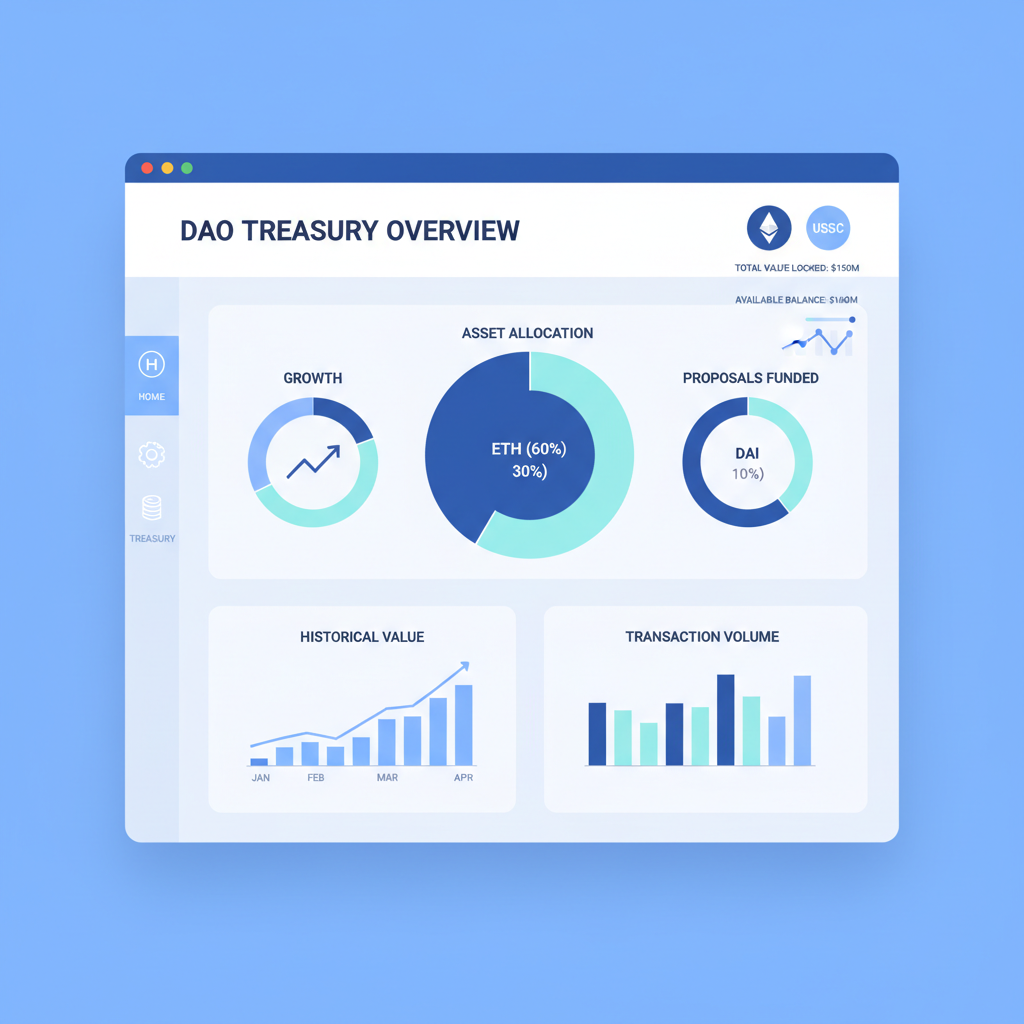

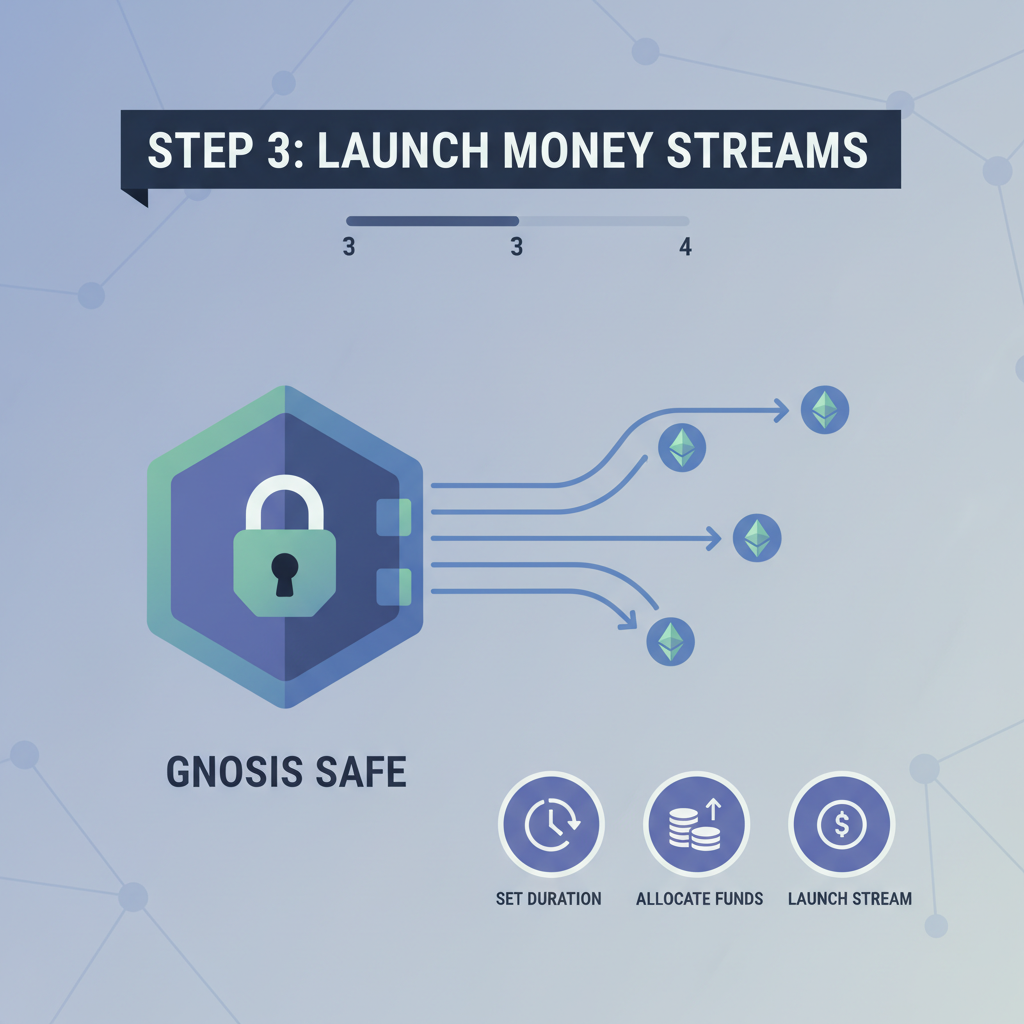
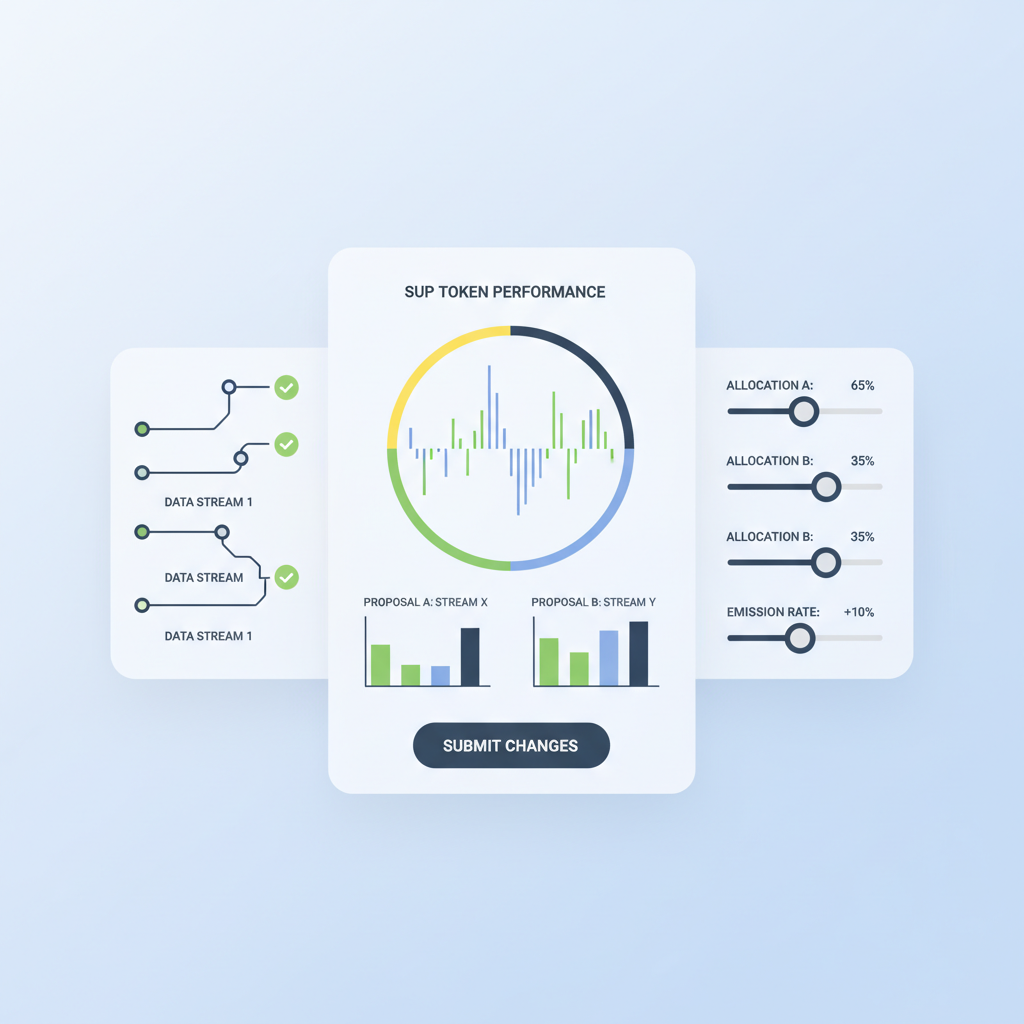
Of course, foresight tempers speed. Robust oracles must underpin dynamic adjustments, preventing manipulation. ESG-aligned DAOs will prioritize auditable streams, perhaps integrating with tools like Snapshot for off-chain signals triggering on-chain flows. Superfluid’s SUP token, priced dynamically in governance markets, incentivizes participation-60% community vault ensures long-term alignment. As SuperVerse (SUPER) holds at $0.1494 with a 24-hour range from $0.1460 to $0.1545, it mirrors the steady potential of protocols like Superfluid fostering ecosystem growth.
Measuring Success: Metrics That Matter
Success metrics extend beyond speed. Track idle capital reduction, yield uplift from superTokens, and governance participation rates. ChainScore Labs notes DAOs already edge VCs; Superfluid propels them further, compressing weeks-long cycles to seconds. Pioneers report 30-50% efficiency gains in developer retention, as steady streams build loyalty over lump sums.
Opinionated take: this proposal isn’t for every DAO. Conservative treasuries prioritizing absolute security might balk at stream complexities. Yet for growth-oriented ones, it’s transformative. Aligns perfectly with responsible investing-streams enforce purpose, halting on misalignment. Community values shine through programmable guardrails, turning treasuries into living embodiments of decentralized ethos.
Superfluid doesn’t just fix slow DAO transactions; it reorients treasuries toward proactive abundance, where approvals fuel motion rather than friction.
Looking ahead, as protocols like Optimism evolve vaults and Ethereum Classic refines epochs, Superfluid positions DAOs at the vanguard. SIP #9’s yield upgrades and SUP transferability votes signal momentum. Treasury managers, embrace this: your role evolves from gatekeeper to architect. With vigilant balances, streaming unlocks treasuries that breathe, adapt, and propel communities into Web3’s next epoch. Invest with purpose; the streams await.

Efficiency ↑ Delays ↓
Read the full proposal here: https://t.co/A8Jr1CeL1V
About the Author